



What's Happening?
The Abu Dhabi Department of Energy has launched a new Solar Energy Self-Supply Policy aimed at transforming energy generation and consumption in the emirate. This policy is part of the Abu Dhabi Energy and Water Efficiency Strategy 2030, which seeks to
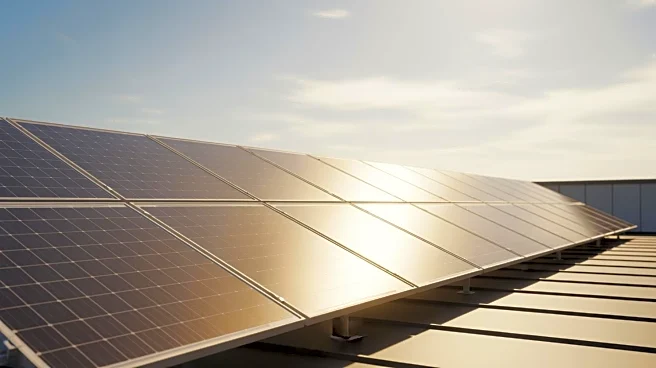
increase reliance on clean and renewable energy sources. The policy allows customers to adopt smart energy solutions, such as photovoltaic panels and solar-powered water heaters, to improve electricity efficiency and reduce reliance on the grid. The initiative is expected to enhance grid efficiency, support growth plans for the energy sector, and align with the Abu Dhabi Climate Change Strategy by promoting sustainable energy use and reducing emissions.
Why It's Important?
This policy is significant as it represents a major step towards sustainable energy practices in Abu Dhabi, potentially setting a precedent for other regions. By encouraging the use of renewable energy, the policy aims to reduce carbon emissions and enhance energy security. It also provides economic benefits by allowing consumers to save on energy costs through self-supply solutions. The initiative supports the broader goals of the Abu Dhabi Climate Change Strategy, which focuses on increasing the use of clean energy and improving sector efficiency. This move could influence energy policies in other regions, promoting a global shift towards renewable energy sources.
What's Next?
The policy will initially be applied to the agricultural sector and owners of rest houses and ranches, providing them with access to renewable energy solutions. As the policy is part of a broader set of enabling policies, additional guidelines and initiatives are expected to be announced throughout 2026. These developments will likely focus on further enhancing energy efficiency and sustainability across various sectors. The Department of Energy will continue to promote public awareness and support the adoption of environmentally sound energy practices, contributing to the long-term resilience and efficiency of the energy infrastructure.