
What's Happening?
Congresswoman Kat Cammack from Florida has expressed concerns about the vulnerability of U.S. agriculture to foreign interference, particularly from the Chinese Communist Party (CCP). In an interview,
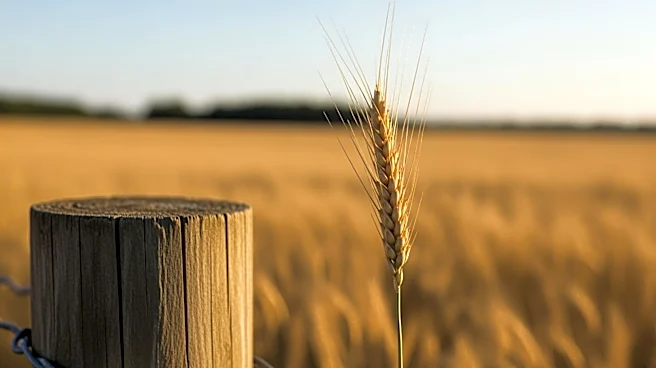
Cammack highlighted the critical role of Florida's agricultural production, which supports 193 million Americans during winter months. She emphasized the need for legislative measures to protect domestic agriculture from foreign threats, citing the theft of agricultural components by the CCP every two hours. Cammack criticized Congress members who fail to act against the CCP despite acknowledging the threat. Recent legislative efforts, such as the One Big Beautiful Bill Act and the Farm, Food, and National Security Act of 2026, aim to bolster agricultural programs and adjust policies to enhance national security.
Why It's Important?
The issue of foreign interference in U.S. agriculture is a significant national security concern. Agriculture is a critical component of the U.S. economy, and reliance on foreign entities for food supply can pose risks to food security. Cammack's advocacy underscores the importance of safeguarding domestic agricultural production to ensure self-sufficiency and protect against external pressures. The legislative measures mentioned aim to strengthen the agricultural sector, which is vital for economic stability and national security. The focus on Florida's role in feeding millions highlights the state's strategic importance in the national food supply chain.
What's Next?
Future legislative actions may focus on further strengthening agricultural policies to prevent foreign interference. Stakeholders, including lawmakers and agricultural organizations, are likely to push for more robust security measures and funding to support domestic production. The ongoing dialogue about national security and agriculture may lead to increased scrutiny of foreign investments and partnerships in the agricultural sector. Cammack's comments may prompt other lawmakers to prioritize agricultural security in their policy agendas.