







What's Happening?
The NUS-Lancet PRIME Commission has released a report in The Lancet, advocating for a new approach to pandemic preparedness that prioritizes equity and real-world readiness over theoretical plans. The report, which analyzed evidence and experiences from
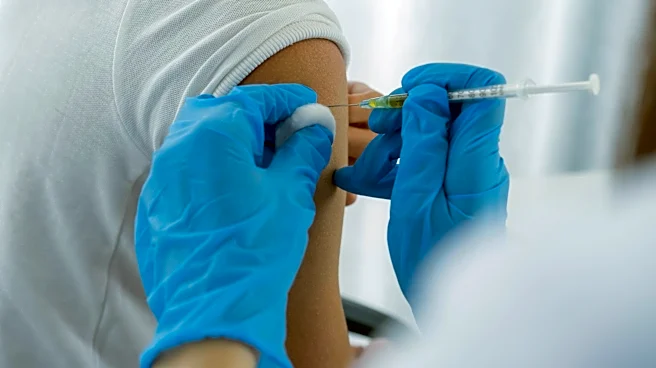
20 countries, highlights that many individuals were excluded from essential protective measures during the COVID-19 pandemic, despite these measures being included in preparedness plans. Dr. Alberto García-Basteiro, a key member of the Commission, emphasized that preparedness strategies must include actions and protection mechanisms that reach the most vulnerable populations. The Commission concluded that inequalities observed during health crises often stem from structural weaknesses in health, social, and institutional systems, rather than inherent individual vulnerability. The report also suggests that a more equitable distribution of vaccines, based on population needs rather than purchasing power, could save millions of lives, particularly in middle-income countries. Global readiness for future pandemics, according to the report, should be built on four pillars: access to vaccines and medical countermeasures, equitable resource allocation, public trust, and international cooperation.
Why It's Important?
This new framework is crucial for the U.S. and the global community as it shifts the focus of pandemic preparedness from mere theoretical planning to tangible, equitable implementation. The emphasis on protecting vulnerable populations and ensuring equitable access to resources, including vaccines, directly addresses shortcomings observed during past pandemics, such as COVID-19. For the U.S., this means re-evaluating existing preparedness strategies to ensure they are inclusive and effective for all segments of society, potentially leading to policy changes in public health, resource allocation, and social support programs. The call for stronger international cooperation and public trust is vital for a coordinated global response, which directly impacts the U.S.'s ability to manage cross-border health threats. By advocating for systems that are truly capable of protecting people, the report aims to prevent future health crises from exacerbating existing social and economic disparities, thereby fostering greater stability and resilience both domestically and internationally.
What's Next?
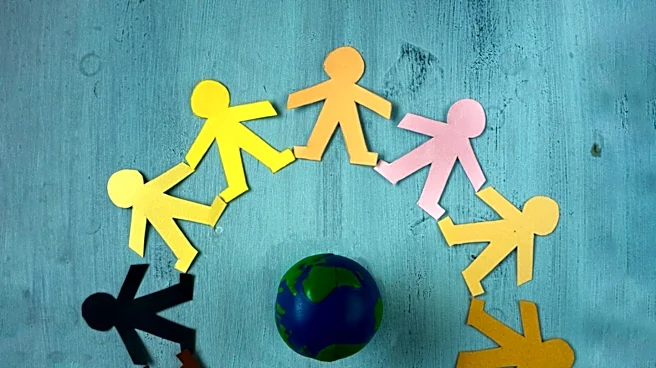
The NUS-Lancet PRIME Commission has proposed a roadmap with six key recommendations for governments and institutions to strengthen their capacity for future health emergencies. These recommendations include moving towards comprehensive 360-degree pandemic readiness, embedding community participation in planning, strengthening international cooperation, addressing systemic weaknesses, promoting governance based on trust and transparency, and establishing clear protection commitments and accountability mechanisms. These measures are intended not only to improve responses to future pandemics but also to bolster health and social systems for other public health emergencies. The report's findings and recommendations will likely inform ongoing discussions and negotiations at international bodies like the World Health Organization, potentially influencing the finalization of global pandemic agreements and national health policies. Governments and institutions worldwide, including in the U.S., will need to consider how to integrate these recommendations into their existing frameworks to build more resilient and equitable health systems.
Beyond the Headlines
The report's focus on systemic weaknesses and the equitable distribution of resources delves into deeper ethical and societal implications. It challenges the notion that vulnerability is an inherent trait of individuals, instead positing that it is a consequence of flawed systems. This perspective could lead to a fundamental re-evaluation of how public health policies are designed and implemented, moving towards a more human-rights-based approach. The emphasis on public trust and transparency also highlights the critical role of effective communication and community engagement in pandemic response, suggesting that a lack of trust can undermine even the most well-intentioned plans. Furthermore, the call for equitable vaccine distribution, based on need rather than purchasing power, raises profound questions about global health justice and the responsibilities of wealthier nations towards lower-income countries. This could trigger long-term shifts in international aid, pharmaceutical development, and intellectual property rights, aiming for a more just and effective global health architecture.