


What's Happening?
South Korean shipbuilder Hanwha Ocean has reported increasing uncertainty in the demand for commercial vessels due to the ongoing conflict in the Middle East. The company's first-quarter earnings presentation highlighted the impact of the Iran war on the market
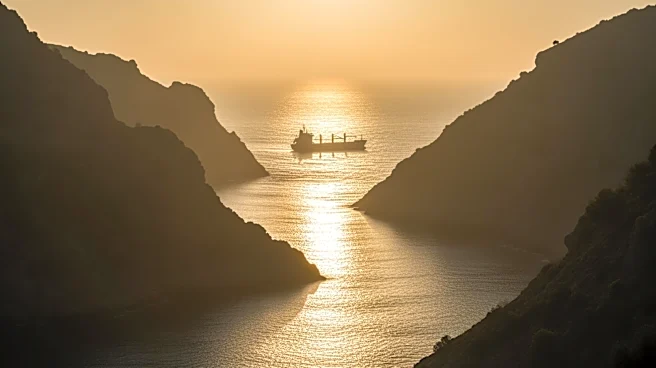
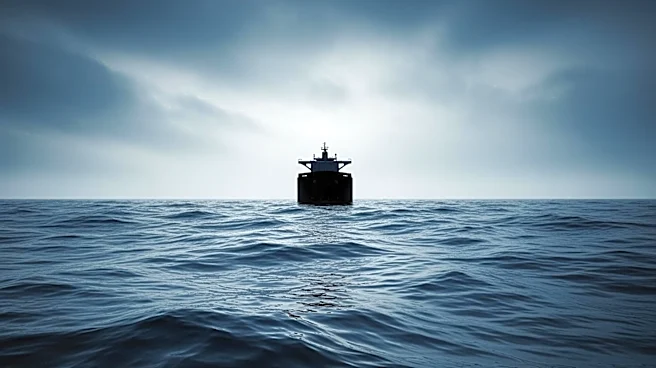
for very large crude carriers (VLCCs), with shipping rates soaring and some carriers stuck in the Strait of Hormuz. Additionally, the demand for container vessels is expected to decline as concerns over inflation and slow global economic growth persist. Despite these challenges, Hanwha Ocean anticipates a long-term rise in demand for commercial vessels as countries diversify their crude oil supplies.
Why It's Important?
The uncertainty in ship demand reflects broader economic and geopolitical tensions affecting global trade and shipping industries. The conflict in the Middle East has disrupted oil transportation routes, leading to increased shipping costs and logistical challenges. This situation may influence global oil prices and impact economies reliant on oil imports. The anticipated decline in container vessel demand could affect global supply chains, potentially leading to increased costs for goods and services. Hanwha Ocean's report underscores the need for strategic planning and adaptation within the shipping industry to navigate these uncertainties.
What's Next?
As the Middle East conflict continues, shipping companies may seek alternative routes and strategies to mitigate risks associated with the Strait of Hormuz. There could be increased investment in security measures and technology to ensure safe passage of vessels. The industry may also explore diversification of supply chains to reduce dependency on volatile regions. Policymakers and industry leaders might engage in discussions to address the economic impacts of the conflict and explore diplomatic solutions to stabilize the region.