




What's Happening?
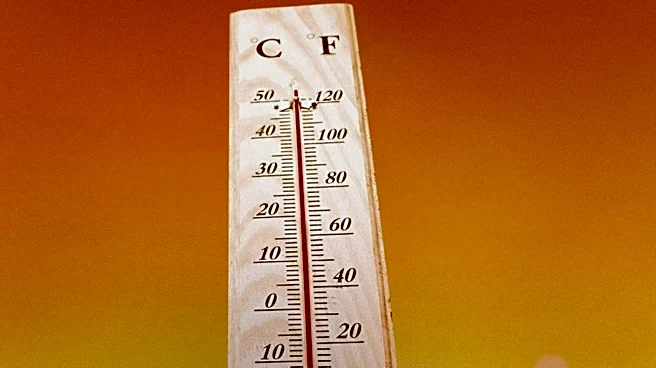
A new study led by researcher Philipp Aglas-Leitner from Freie Universität Berlin, published in Nature Communications, indicates that future heatwaves are projected to be significantly more intense, longer-lasting, and cover larger geographical areas
than any experienced in recent history. The research team analyzed 22 exceptional heatwaves that occurred globally between 2010 and 2023, with an in-depth focus on nine events from 2015 to 2023. These historical events were then compared against climate model projections spanning from 2020 to 2100. The study examined multiple characteristics of heatwaves, including duration, cumulative heat, median and maximum severity, and spatial extent. The findings consistently show that a substantial proportion of future heatwaves will surpass the severity and scale of recent extreme events, particularly towards the end of the 21st century. This suggests that the extreme heat experienced in recent years may only be a precursor to what is to come due to climate change.
Why It's Important?
The projections from this study have profound implications for the United States, particularly concerning public health, infrastructure, and ecosystems. More severe and prolonged heatwaves will increase the risk of heat-related illnesses and fatalities, placing immense strain on healthcare systems. Critical infrastructure, including power grids, transportation networks, and water supplies, will face unprecedented challenges, leading to potential disruptions and economic losses. Agricultural sectors could suffer significant crop yield reductions, impacting food security and prices. Furthermore, ecosystems, including forests and aquatic environments, will be under increased stress, leading to biodiversity loss and altered natural processes. The study underscores the urgent need for robust climate adaptation strategies and substantial emissions reductions to mitigate these far-reaching impacts, as even ambitious emission reduction goals offer only limited protection against the projected extreme heat.
What's Next?
In response to these projections, policymakers and urban planners in the U.S. will likely need to accelerate the development and implementation of comprehensive heat adaptation plans. This could include expanding cooling centers, upgrading urban infrastructure to withstand higher temperatures, and investing in early warning systems for extreme heat events. There will also be increased pressure on industries to reduce greenhouse gas emissions significantly, aligning with global climate goals. Research into heat-resistant crops and sustainable water management practices will become even more critical. Public awareness campaigns about heat safety and preparedness are also expected to intensify. Without substantial global efforts to reduce emissions and implement consistent adaptation measures, a significant portion of the 21st century will be defined by heat conditions far exceeding current experiences.
Beyond the Headlines
The study's findings highlight a critical ethical dimension: the disproportionate impact of climate change on vulnerable populations. Extreme heat disproportionately affects the elderly, low-income communities, and outdoor workers, exacerbating existing social inequalities. Legally, these projections could lead to increased litigation against entities perceived as contributing to climate change or failing to protect citizens from its effects. Culturally, there may be a shift in societal norms and expectations regarding summer activities, outdoor work, and urban living, with a greater emphasis on heat resilience and adaptation. The long-term shift could involve a fundamental re-evaluation of urban design, energy consumption patterns, and public health policies, moving towards a more climate-resilient society where extreme heat is a constant consideration rather than an occasional event.