






What's Happening?
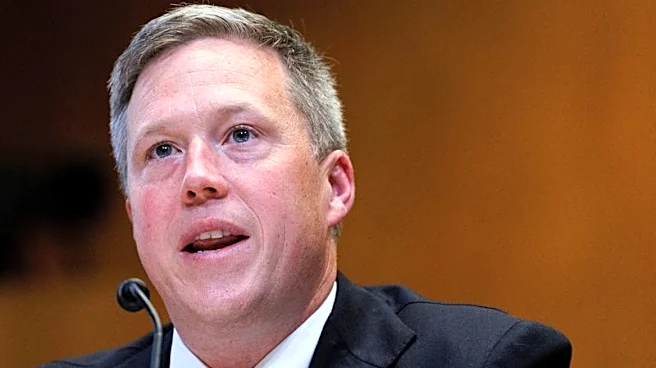
Representative Don Beyer, alongside other Democratic leaders from both the House and Senate, is pressing the White House to immediately reimpose sanctions on Russia. These lawmakers contend that the administration already possesses ample authority to sanction entities
supporting Russia's war efforts, negating the need for Congress to approve new tariff powers. They argue that delaying action to await new tariff legislation would diminish the effectiveness of sanctions, as Russia continues to seek foreign technology and funding. The Democrats are calling on the president to utilize existing sanctions against targets across various sectors of the Russian economy, emphasizing the urgent need for support for Ukrainians. This stance highlights a division within Congress regarding the approach to sanctioning Russia, with some advocating for immediate action using current presidential powers rather than waiting for new legislative measures.
Why It's Important?
This push by Democratic leaders, including Rep. Don Beyer, to reimpose Russia sanctions without new tariff powers carries significant implications for U.S. foreign policy and economic strategy. By asserting that the White House already has sufficient authority, these lawmakers are attempting to expedite punitive measures against Russia, which could intensify economic pressure on Moscow. The debate over whether to use existing powers or seek new tariff authority from Congress reflects differing views on the speed and scope of U.S. intervention in the conflict. If the White House adopts this approach, it could lead to a more rapid deployment of sanctions, potentially impacting U.S. businesses with ties to the targeted Russian sectors. Conversely, a delay in imposing sanctions, as warned by the lawmakers, could allow Russia to further solidify its economic and technological support networks, undermining the overall effectiveness of U.S. and international efforts to curb its aggression. This also underscores the ongoing tension between the executive and legislative branches regarding foreign policy tools and their implementation.
What's Next?
The immediate next step will likely involve continued pressure from Rep. Don Beyer and his Democratic colleagues on the White House to act on their recommendation. The administration will need to decide whether to proceed with existing sanctioning authorities or to continue seeking new tariff powers from Congress, a process that could face further delays. This decision will influence the timeline and nature of future U.S. economic actions against Russia. Stakeholders, including U.S. companies with international operations and those involved in trade with countries that might be affected by secondary sanctions, will be closely monitoring the White House's response. The outcome could also set a precedent for how future foreign policy challenges are addressed, particularly concerning the balance of power between the executive and legislative branches in deploying economic tools.
Beyond the Headlines
Beyond the immediate policy implications, this debate touches upon the broader question of presidential authority in foreign policy and the role of Congress in shaping international economic measures. The argument that the White House already possesses "ample authority" suggests a desire to bypass potential legislative hurdles and political disagreements that could slow down critical responses to global crises. This could lead to a re-evaluation of the scope of executive power in deploying sanctions and other economic tools, potentially shifting the balance of power in foreign policy decision-making. Furthermore, the emphasis on the urgency of supporting Ukraine highlights the ethical dimension of international relations, where economic measures are not just about financial impact but also about moral responsibility and humanitarian aid. The long-term implications could include a more streamlined, albeit potentially less deliberative, process for implementing sanctions, which could have both advantages in speed and disadvantages in terms of democratic oversight and potential for unintended consequences.