

What's Happening?
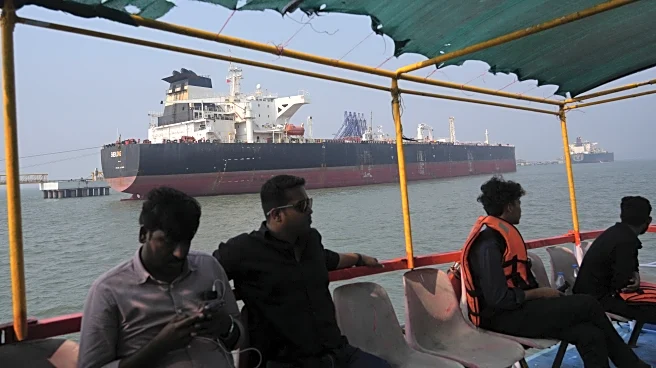
The ongoing conflict in Iran has significantly impacted global energy markets, leading to increased oil prices and supply chain disruptions. The Strait of Hormuz, a critical passage for about 20% of the world's oil, has been largely closed, causing a spike
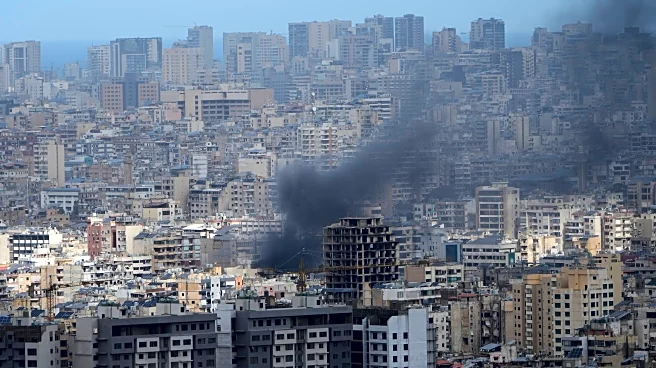
in oil prices. Countries like the Philippines have declared a national energy emergency due to the heightened geopolitical tensions affecting global oil production and transportation. The conflict has resulted in more than 3,000 deaths across the region, with significant casualties in Iran, Lebanon, Israel, and neighboring Gulf countries. The U.S. has targeted military sites on Kharg Island, a key location for Iran's oil exports, further exacerbating the situation.
Why It's Important?
The Iran conflict has profound implications for global energy security and economic stability. The closure of the Strait of Hormuz affects the supply of crude oil and liquefied natural gas, particularly to Asia, which is highly dependent on these resources. The rising oil prices contribute to inflation and economic strain, particularly in countries with limited energy resources. The International Energy Agency has released 400 million barrels of oil from strategic reserves to mitigate the crisis. Economists warn of increased recession risks due to disruptions in energy production and surging commodity prices, which could lead to broader economic challenges.
What's Next?
Energy markets are expected to remain volatile as the conflict continues. Countries are implementing energy-saving measures to cope with the crisis, such as South Korea's nationwide campaign to reduce energy consumption and Vietnam's suspension of flights due to high fuel prices. The U.S. may consider further military actions to secure oil supply routes, while other nations might increase strategic oil releases to stabilize markets. The situation demands close monitoring as geopolitical tensions could lead to further disruptions.
Beyond the Headlines
The conflict highlights the vulnerability of global energy markets to geopolitical events and the need for diversified energy sources. It underscores the importance of strategic reserves and international cooperation in managing energy crises. The impact on poorer populations within affected countries raises ethical concerns about energy equity and access. Long-term shifts may include increased investment in renewable energy and efforts to reduce dependency on oil from volatile regions.