





What's Happening?
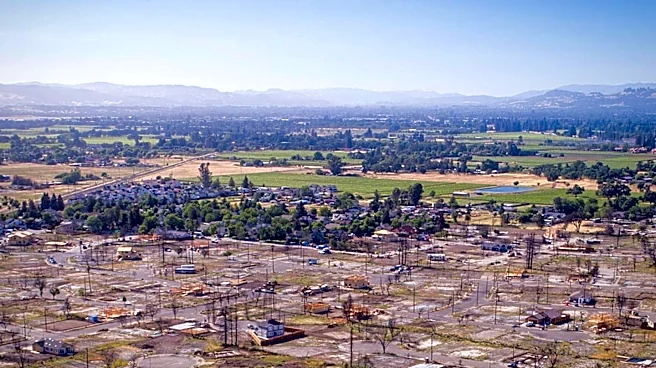
The Federal Emergency Management Agency (FEMA) has denied specific portions of Colorado's request for disaster aid following the Aspen Acres and Gold Mountain fires in Pueblo and Custer counties. While the federal government approved Colorado's Major
Disaster Declaration for other requests, FEMA rejected the Individual Assistance and Hazard Mitigation Grant Program components. Individual Assistance would have provided direct aid to affected residents for needs such as temporary housing and home rebuilding. The Hazard Mitigation Grant Program funding, if approved, would have helped communities rebuild in a way that reduces vulnerability to future disasters. Governor Jared Polis expressed disappointment over the denial, stating that these additional resources would have further supported impacted families and communities. The state is currently evaluating its options and next steps, including a potential appeal within 30 days.
Why It's Important?
FEMA's denial of Individual Assistance and Hazard Mitigation Grant Program funding has significant implications for Colorado residents and communities recovering from the wildfires. Without Individual Assistance, families in Pueblo and Custer counties will face greater financial burdens in securing temporary housing and rebuilding their homes, potentially prolonging their recovery. The rejection of Hazard Mitigation Grant Program funds means that communities may rebuild without crucial resources to implement protective measures against future events, leaving them vulnerable to recurring disasters. This decision could slow down the recovery process, increase long-term costs for affected individuals, and place additional strain on state and local resources. It also highlights the complex and often challenging process of securing comprehensive federal disaster aid, even after a major disaster declaration is approved for other aspects like debris cleanup.
What's Next?
Colorado's state government is assessing its options and has a 30-day window to appeal FEMA's denial of the Individual Assistance and Hazard Mitigation Grant Program requests. Governor Polis's office indicated that the state is already coordinating debris cleanup with local governments under the approved public assistance program. However, the focus will now shift to determining the feasibility and strategy for an appeal, which would involve presenting further justification for the need for these specific aid programs. If the appeal is unsuccessful, the state will need to explore alternative funding sources or programs to support affected residents and implement mitigation strategies. This could involve allocating state funds, seeking private donations, or developing new state-level initiatives to fill the gap left by the federal denial.
Beyond the Headlines
The denial of these specific FEMA aid requests brings to light broader issues concerning disaster recovery funding and federal-state partnerships. It underscores the potential for discrepancies between state-identified needs and federal assessment criteria, which can leave communities in critical need of support. This situation could prompt a re-evaluation of how disaster aid requests are formulated and presented, as well as a deeper look into the criteria FEMA uses for approval. Furthermore, it highlights the ongoing debate about the allocation of federal resources for disaster preparedness and recovery, especially as climate change contributes to more frequent and intense natural disasters. The long-term implications could include increased pressure on state budgets to cover costs typically offset by federal aid, potentially leading to difficult financial decisions for Colorado and other states facing similar challenges.