




What's Happening?
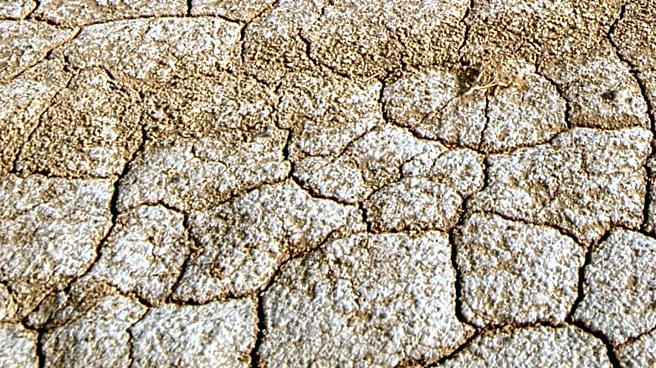
North Carolina is facing varied drought conditions, with some counties seeing improvement due to recent rainfall while others continue to experience severe or extreme drought. According to the U.S. Drought Monitor report released on Thursday, parts of
the Piedmont and coastal regions received sporadic rain, with some areas recording over two inches, but most received less than average. Specifically, areas in Guilford, Rockingham, Caswell, Person, and Granville counties remain in extreme drought. Conditions worsened in parts of Warren and Halifax counties, also reaching extreme classification, and Western Brunswick County continues to experience exceptional drought, the most severe category. In contrast, Western North Carolina saw more widespread rain, leading to improvements in Macon, Jackson, and Transylvania counties, which moved from extreme to severe drought. Despite some relief, many reservoir and groundwater levels across the state remain below normal, prompting calls for water conservation.
Why It's Important?
The persistent drought conditions in North Carolina carry significant implications for public health, agriculture, and the economy. Low reservoir and groundwater levels directly impact the availability of drinking water for communities, necessitating water use restrictions and potentially increasing costs for water treatment and supply. For the agricultural sector, prolonged drought can lead to crop failures, reduced yields, and increased irrigation expenses, affecting farmers' livelihoods and potentially leading to higher food prices for consumers. The strain on water resources also impacts industries reliant on water for manufacturing or cooling processes. Furthermore, the varying drought severity across the state highlights regional vulnerabilities and the need for localized water management strategies. The call for water conservation underscores the importance of sustainable resource management to mitigate the long-term effects of climate variability on the state's environment and economy.
What's Next?
In response to the ongoing drought, counties experiencing exceptional or extreme conditions are advised to activate their Water Shortage Response Plans and enforce water use reduction measures. Water systems in these areas are mandated to submit weekly reports on water use and conservation status online. Residents are encouraged to contact their local water supply systems for information on specific restrictions, such as limits on lawn watering or car washing, and to adopt water-saving practices like running full loads for laundry and dishwashers. The North Carolina Drought Management Advisory Council (DMAC), a multi-agency group of drought experts, will continue to meet weekly to assess environmental, hydrological, and agricultural indicators. Their recommendations will inform updates to the U.S. Drought Monitor, with the state's drought map updated every Thursday based on conditions through the preceding Tuesday. These ongoing assessments and conservation efforts aim to manage the current water scarcity and prepare for future climate-related risks.
Beyond the Headlines
The uneven distribution of drought conditions across North Carolina underscores the complex and localized impacts of climate change and weather variability. While some areas receive much-needed rain, others remain parched, revealing disparities in climate resilience and resource management capabilities. This situation highlights the critical need for robust, region-specific climate adaptation strategies that go beyond immediate crisis response. It also brings to light the interconnectedness of environmental health, economic stability, and public well-being. The encouragement of individual water conservation, alongside mandated restrictions, points to a broader societal shift towards recognizing personal responsibility in resource stewardship. The long-term implications could include increased investment in water infrastructure, the development of drought-resistant agricultural practices, and enhanced public education campaigns to foster a culture of water conservation, ultimately aiming for greater resilience against future climatic challenges.