




What's Happening?
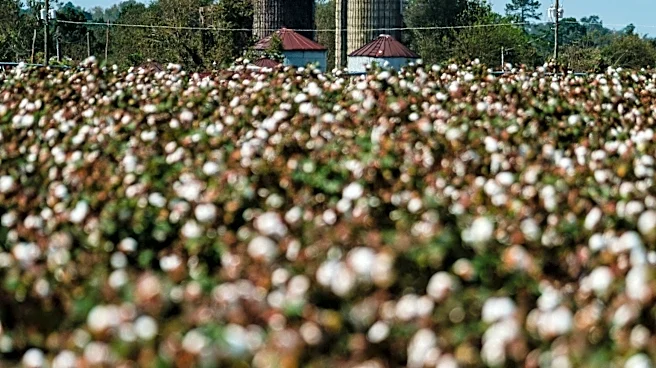
Climateflation, a term combining 'climate' and 'inflation,' describes the inflationary pressures stemming from climate change, particularly its impact on food prices and broader economic costs. Climate change-induced disruptions in agriculture and supply
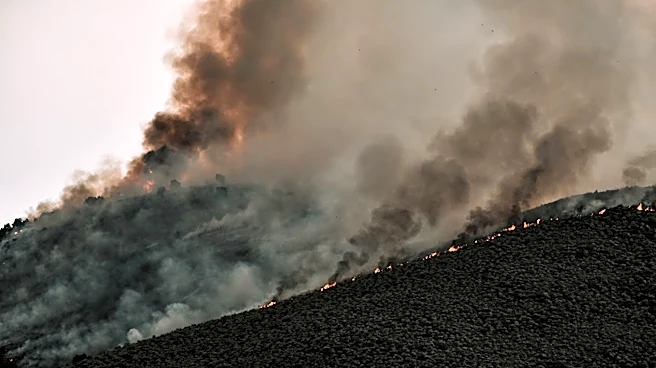
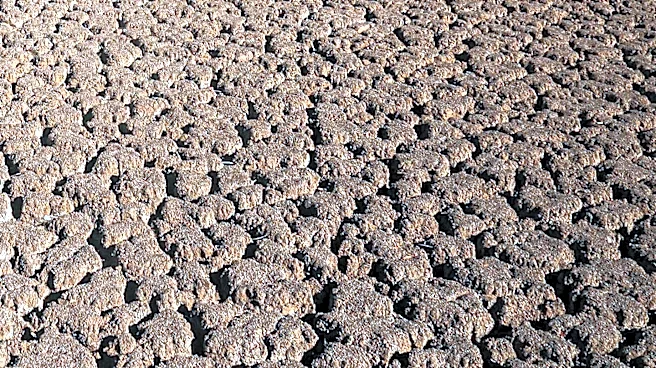
chains are leading to increased prices for essential goods. This phenomenon is not only raising the prices of agricultural products but also altering consumption patterns and increasing costs in sectors such as travel, cultural activities, and transportation. For instance, extreme weather events like heatwaves and droughts directly affect crop yields, causing price hikes for produce. The impact extends beyond direct agricultural costs, influencing consumer behavior and spending across various industries.
Why It's Important?
The concept of climateflation highlights a significant and growing economic challenge. It demonstrates how environmental changes translate into tangible financial burdens for consumers and businesses. Increased food prices disproportionately affect lower-income households, exacerbating food insecurity and reducing disposable income for other necessities. Beyond food, the broader impact on travel, transportation, and leisure activities means that climate change is reshaping overall consumer spending habits and household budgets. This trend could lead to shifts in market demand, requiring businesses to adapt to changing consumer priorities and potentially higher operational costs due to climate-related disruptions. The phenomenon underscores the interconnectedness of environmental stability and economic well-being, posing a long-term threat to economic stability if not addressed.
What's Next?
As climate change continues, climateflation is expected to intensify, necessitating adaptive strategies from both consumers and policymakers. Consumers may need to adjust their purchasing habits, seeking seasonal goods or planning purchases to mitigate rising costs. For example, buying winter clothing during off-peak seasons when demand is lower could become a common strategy. Businesses will likely face increased pressure to develop more resilient supply chains and sustainable practices to buffer against climate-related shocks. Governments may need to consider policies that support agricultural resilience, invest in climate adaptation measures, and potentially offer subsidies or support to vulnerable populations affected by rising costs. The ongoing impact of climate change on various sectors suggests a need for proactive measures to manage economic volatility.
Beyond the Headlines
Climateflation reveals a deeper societal shift where environmental factors are becoming central to economic planning and daily living costs. It challenges the traditional view of inflation as solely a monetary or demand-driven phenomenon, introducing a significant environmental dimension. This trend could accelerate the demand for sustainable products and services, as consumers become more aware of the climate-cost connection. It also raises ethical questions about equitable access to essential goods in a climate-altered world and the responsibility of industries to mitigate their environmental impact. The long-term implications include potential shifts in global trade patterns, increased investment in climate-resilient infrastructure, and a re-evaluation of economic models to incorporate environmental sustainability as a core component.