







What's Happening?
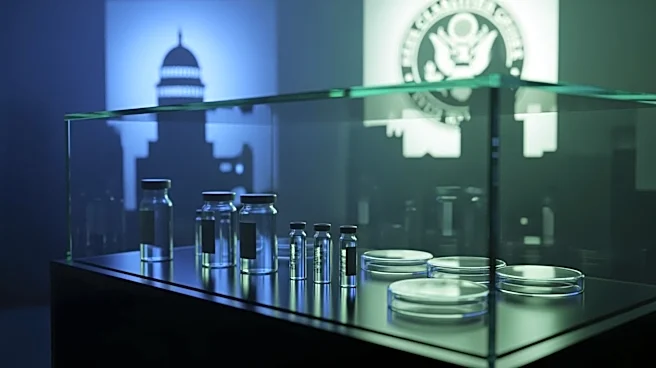
Director of National Intelligence Tulsi Gabbard has released declassified information regarding U.S. taxpayer funding of over 120 biological labs in more than 30 foreign countries. Gabbard criticized the Biden administration for allegedly misleading the public
about these labs' existence. The declassified documents reveal that many labs, particularly in Ukraine, have engaged in research involving hazardous pathogens, including gain-of-function studies. This disclosure follows an investigation initiated by President Trump's executive order on gain-of-function research. The Office of the Director of National Intelligence aims to increase transparency and mitigate risks associated with these labs.
Why It's Important?
The release of this information raises significant concerns about global biosecurity and the transparency of U.S. involvement in foreign research facilities. The potential risks associated with gain-of-function research, which can enhance the transmissibility of pathogens, are substantial, especially in politically unstable regions like Ukraine. The disclosure could impact U.S. diplomatic relations and influence public trust in government transparency. It also underscores the ongoing debate over the safety and ethical implications of such research, which has been a contentious issue in the context of the COVID-19 pandemic.
What's Next?
As Gabbard steps down from her role, the focus will shift to how the U.S. government addresses the concerns raised by the declassified information. There may be increased scrutiny and calls for oversight of U.S.-funded research abroad. The Biden administration will need to respond to these allegations and possibly reevaluate its strategies for managing international research collaborations. The situation could lead to policy changes regarding the funding and oversight of gain-of-function research, with implications for future biosecurity measures.