







What's Happening?
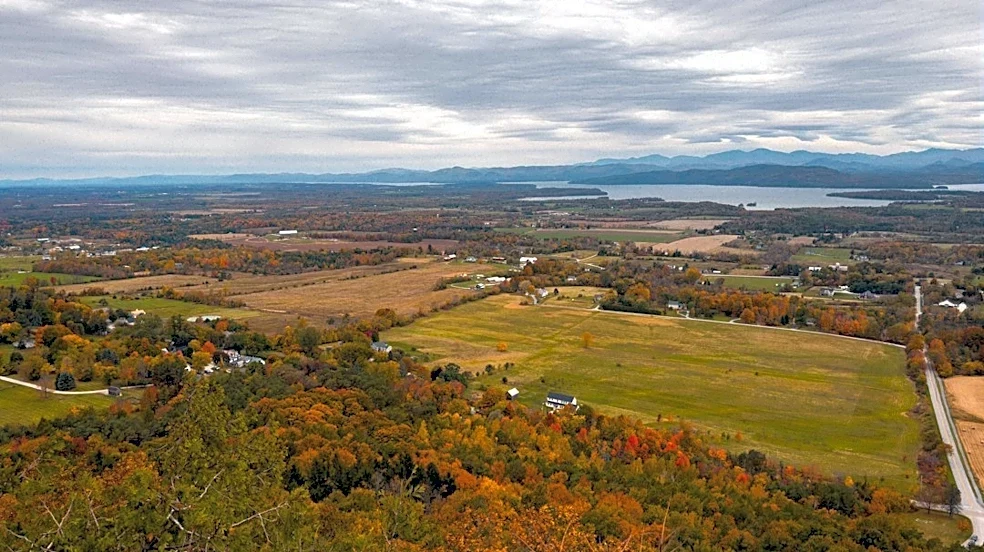
Burlington, Vermont, has been recognized as the highest-ranking U.S. destination for fall foliage, securing the third position globally in a study conducted by travel company Iglu Cruise. The study, which analyzed 40 worldwide destinations, evaluated
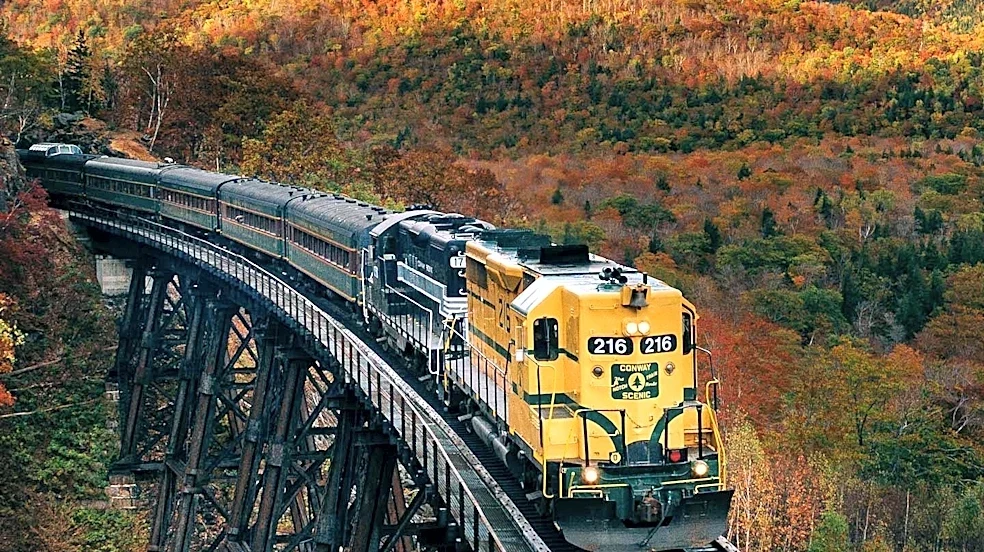
locations based on tree density, autumn sunshine, available excursions, and UK search demand. Burlington achieved a score of 83.5 out of 100. The region is known for its vibrant fall colors, attracting numerous travelers to its mountains to witness the changing leaves. Popular activities include driving along Smugglers' Notch, a scenic route through maple and birch forests, and exploring the pedestrian-friendly Church Street Marketplace in downtown Burlington, which offers local shops, restaurants, and outdoor cafes. Other U.S. cities also featured in the top ten, with Portland, Maine, ranking fourth and Jackson, New Hampshire, placing fifth.
Why It's Important?
This recognition is significant for Burlington and the broader New England tourism industry, particularly as fall foliage season is a major economic driver for the region. High rankings in international studies can boost tourism, attracting both domestic and international visitors who seek out prime leaf-peeping experiences. Increased tourism translates into economic benefits for local businesses, including hotels, restaurants, and retail establishments, and supports employment in the hospitality sector. For U.S. travelers, the study highlights accessible and highly-rated domestic options for experiencing autumn scenery, potentially encouraging more localized travel and reducing the need for international trips. The inclusion of multiple U.S. destinations in the top ten underscores the country's natural beauty and its appeal as a fall travel destination, reinforcing its position in the global tourism market.
What's Next?
Following this international recognition, Burlington and other top-ranked U.S. destinations like Portland, Maine, and Jackson, New Hampshire, can anticipate a potential increase in tourist interest and bookings for future fall seasons. Local tourism boards and businesses are likely to leverage these rankings in their marketing campaigns to attract more visitors. This could lead to further development of tourism infrastructure, such as enhanced hiking trails, improved visitor services, and expanded accommodation options, to cater to the anticipated influx. Additionally, the study's methodology, which considers factors like tree density and available excursions, might influence how these destinations promote their unique offerings, focusing on both natural beauty and recreational activities. The continued visibility of U.S. locations in global travel rankings could also inspire other regions to invest in and promote their own seasonal attractions.
Beyond the Headlines
The emphasis on fall foliage destinations reflects a broader trend in travel towards experiential and nature-based tourism. As travelers increasingly seek authentic and visually stunning experiences, natural phenomena like autumn leaf changes become significant draws. This trend also highlights the economic value of preserving natural landscapes and biodiversity, as these are the primary assets attracting tourists. The study's focus on factors beyond just visual appeal, such as available excursions and local amenities, suggests that modern travelers are looking for comprehensive experiences that combine natural beauty with cultural and recreational activities. This holistic approach to tourism can foster sustainable development in these regions, encouraging communities to maintain their natural environments while also developing local businesses and infrastructure to support visitor needs. The competition among destinations for such rankings also subtly promotes environmental stewardship, as the quality of natural attractions directly impacts their appeal.