


What's Happening?
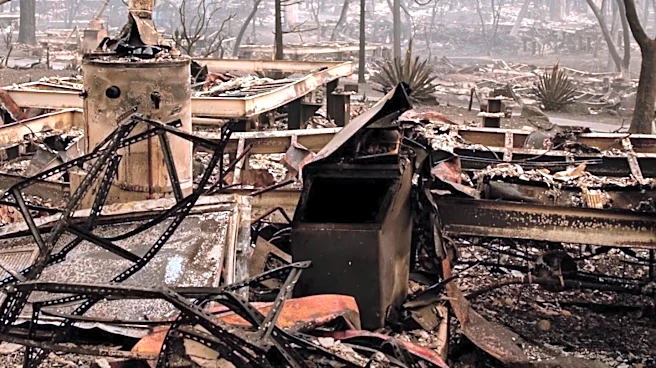
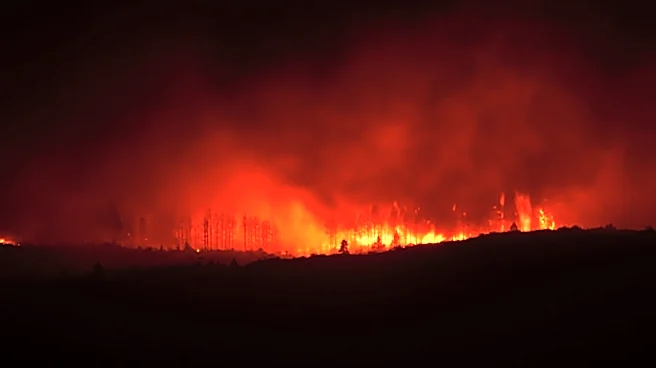
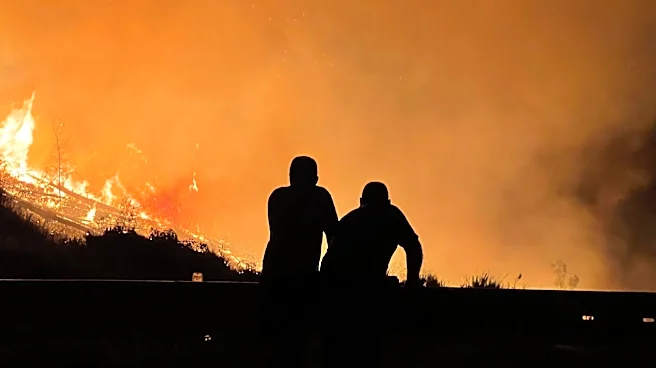
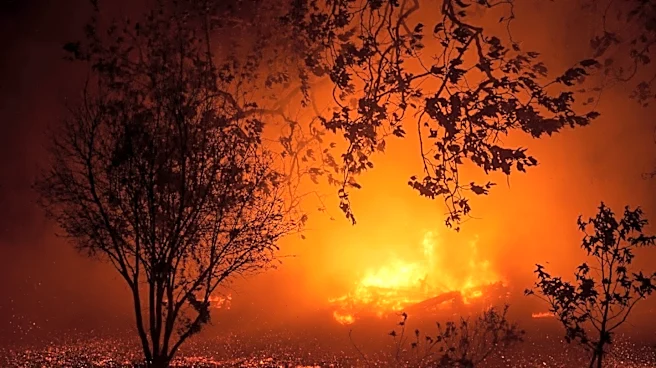
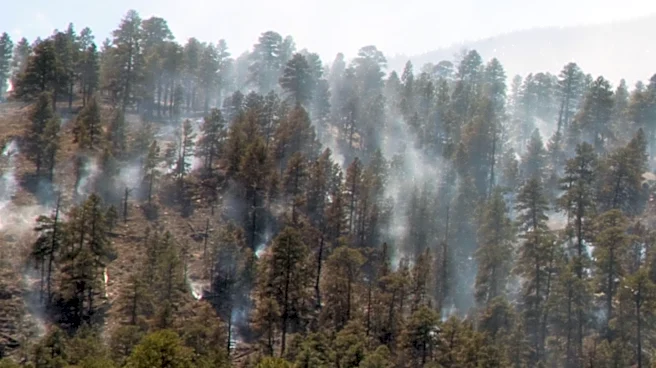
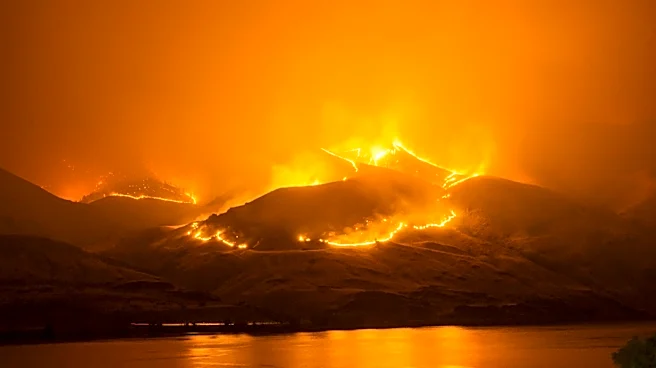
Wildfires in Spokane, Washington, have forced over 60,000 residents to evacuate, with many still unable to return home. The fires have damaged or destroyed approximately 900 structures, and elevated fire conditions are expected to persist, potentially
igniting new fires. The American Red Cross, along with other partners, is providing essential services such as food, shelter, and emotional support to those affected. The fires have also impacted air quality across the region, posing health risks to vulnerable groups, including children and the elderly. The Red Cross has been actively involved in disaster response, opening shelters and deploying teams to assist those in need.
Why It's Important?
The ongoing wildfires in Spokane highlight the increasing frequency and severity of natural disasters, exacerbated by climate change. The displacement of thousands of residents underscores the urgent need for effective disaster preparedness and response strategies. The situation also emphasizes the critical role of organizations like the Red Cross in providing immediate relief and support to affected communities. The fires' impact on air quality poses significant health risks, particularly for vulnerable populations, and highlights the broader environmental and public health challenges associated with wildfires. The response to this disaster will have implications for future emergency management and climate resilience efforts.
What's Next?
As elevated fire conditions continue, residents are advised to remain vigilant and prepared for potential evacuations. The Red Cross and local authorities will continue to monitor the situation and provide necessary support to affected communities. Efforts to contain the fires and mitigate their impact will be ongoing, with a focus on ensuring the safety and well-being of residents. The long-term recovery process will involve rebuilding damaged infrastructure and addressing the environmental and health impacts of the fires. Stakeholders will need to collaborate on developing strategies to enhance community resilience and reduce the risk of future disasters.