




What's Happening?
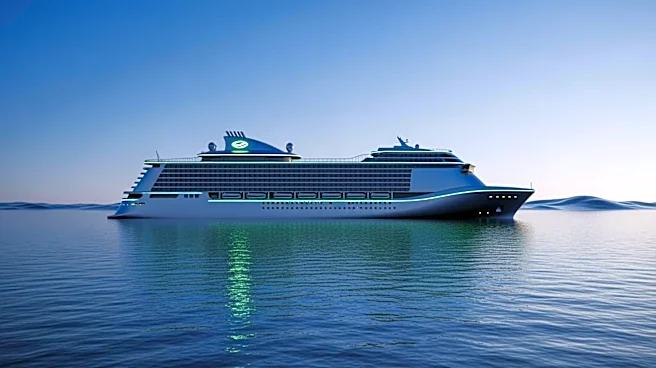
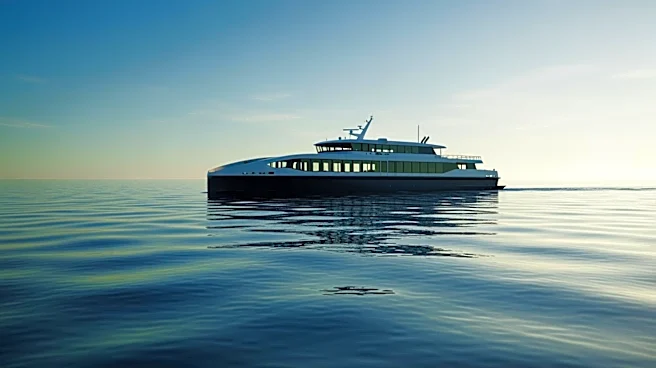
Boreal, a major transportation company in Norway, has placed an order for 20 P-12 electric fast ferries from Swedish company Candela. This move aims to replace the existing diesel-powered ferries used on cross-fjord routes in Norway. The P-12 ferries are
designed to offer a cruising speed of 25 knots and a range of approximately 40 nautical miles, making them suitable for routes previously served by diesel vessels. The ferries feature computer-controlled hydrofoils that lift the vessel above water, reducing drag and energy consumption by about 80% compared to conventional vessels. The first two ferries are scheduled for delivery in 2027, with the rest following in batches until 2030.
Why It's Important?
This initiative marks a significant step in the electrification of maritime transport in Norway, a country already leading in electric vehicle adoption. By transitioning to electric ferries, Boreal aims to reduce emissions and operational costs associated with diesel engines. The move is expected to enhance passenger comfort and service frequency, potentially increasing ferry usage. The investment aligns with global efforts to reduce carbon footprints and combat climate change, showcasing a viable business model for sustainable transport solutions. The success of this project could influence other regions to adopt similar technologies, promoting wider adoption of electric maritime transport.
What's Next?
As the first deliveries are expected in 2027, Boreal will likely focus on integrating these electric ferries into their existing operations. The company may also explore expanding electric ferry routes, both in urban and rural areas, to maximize the benefits of this technology. Stakeholders, including environmental groups and government bodies, may monitor the project's impact on emissions and public transport efficiency. The success of this initiative could lead to further investments in electric maritime technology, potentially influencing policy decisions and encouraging other transport operators to consider similar transitions.
Beyond the Headlines
The shift to electric ferries not only addresses environmental concerns but also highlights the economic advantages of sustainable transport solutions. With Norway's low electricity costs due to abundant hydropower, the operational savings from reduced fuel and maintenance costs present a compelling business case. This transition also underscores the importance of innovation in achieving zero-emission goals, potentially setting a precedent for other industries to follow. The project could stimulate technological advancements in electric maritime transport, fostering a new era of eco-friendly travel solutions.