




What's Happening?
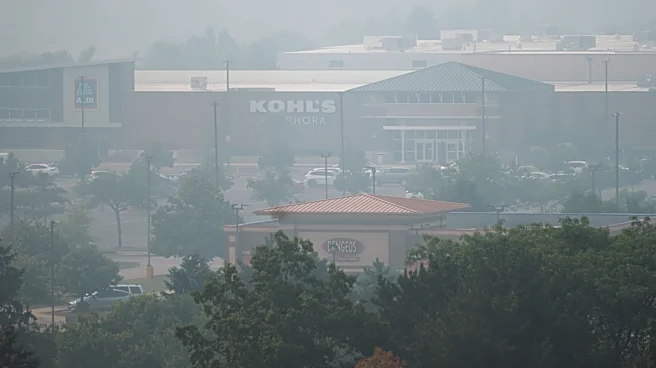
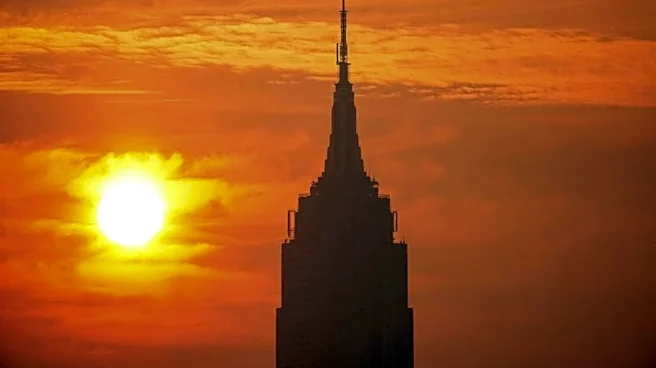
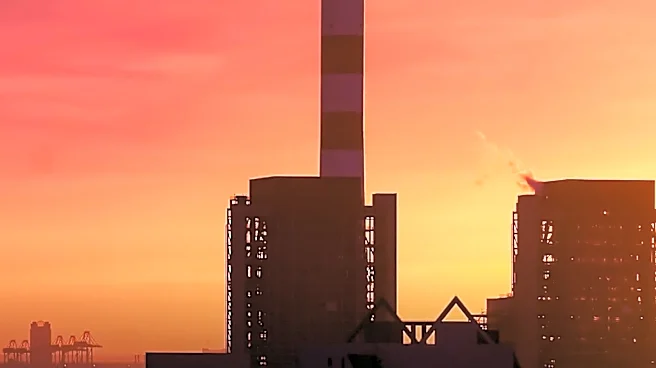
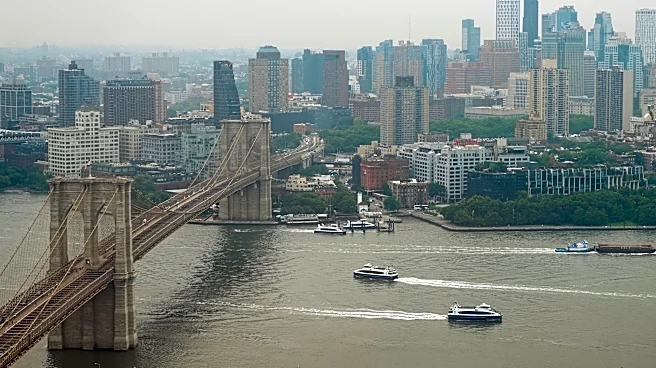
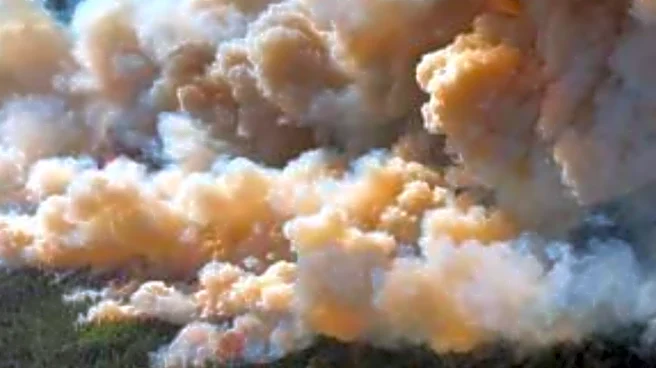
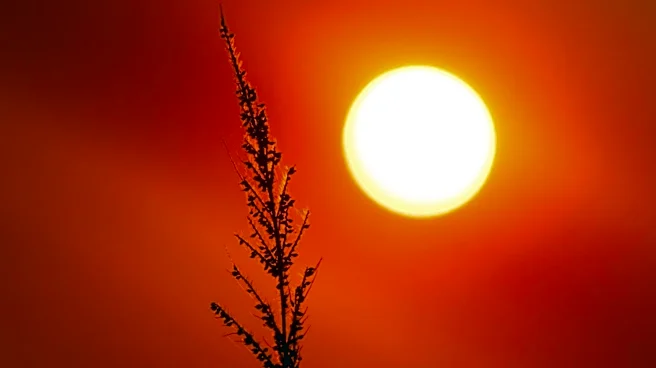
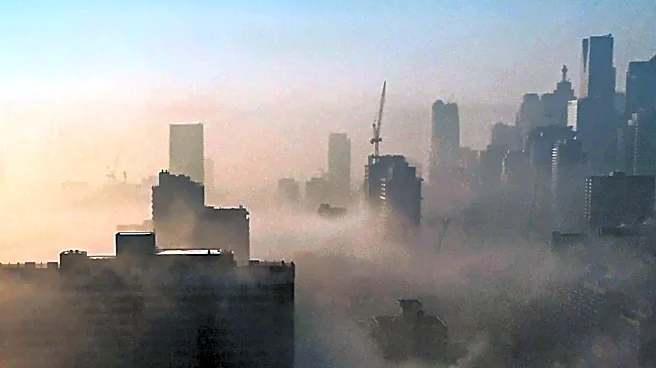
On July 16, 2026, Chicago experienced a significant decline in air quality due to smoke from wildfires in Canada and Minnesota. The smoke created a thick haze over the city, reducing visibility and prompting an Air Pollution Action Day for northeastern
Illinois. The National Weather Service in Chicago reported that the smoke led to unhealthy to hazardous air quality conditions, with elevated levels of fine particulate matter (PM2.5). Residents were advised to limit outdoor activities, especially vulnerable groups such as children, older adults, pregnant individuals, and those with heart or lung conditions. The smoke also impacted daily life, with fewer people engaging in outdoor activities along Lake Michigan.
Why It's Important?
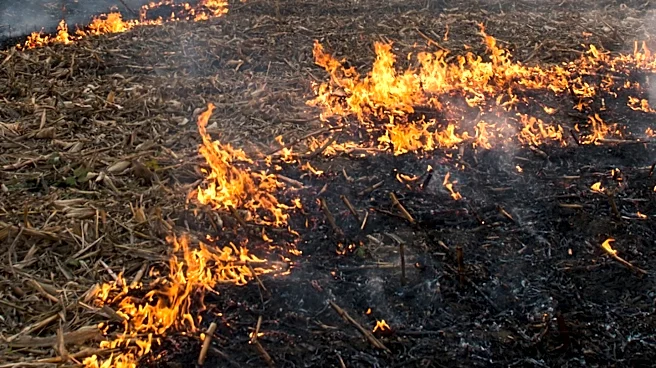
The hazardous air quality in Chicago highlights the broader environmental and public health challenges posed by wildfires, which are becoming more frequent and intense due to climate change. The situation underscores the interconnectedness of environmental issues across borders, as smoke from Canadian wildfires significantly impacts U.S. cities. This event raises concerns about the health implications for residents, particularly those with pre-existing health conditions. It also emphasizes the need for effective air quality management and emergency response strategies to protect public health during such events.
What's Next?
According to the National Weather Service, the smoke is expected to persist through the night and into the following morning, with improving winds anticipated to gradually clear the air over the weekend. Authorities will likely continue to monitor air quality levels and provide updates to the public. Residents may need to remain cautious and follow health advisories until conditions improve. This event may also prompt discussions on long-term strategies to address the impacts of wildfires and improve air quality management.