






What's Happening?
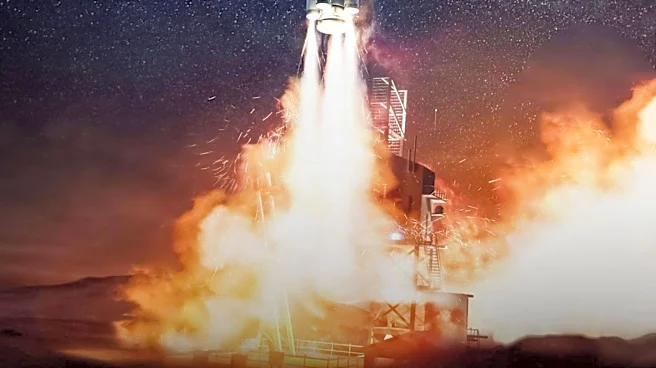
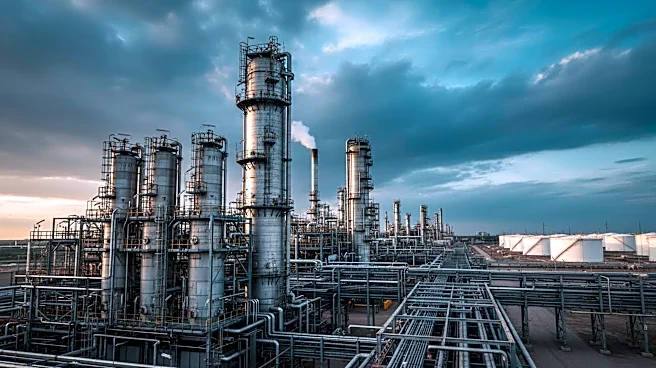
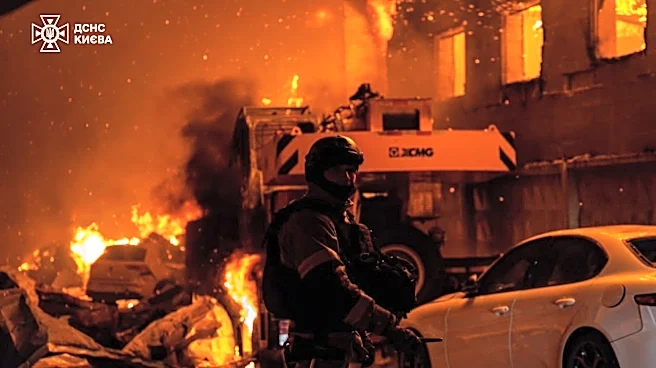
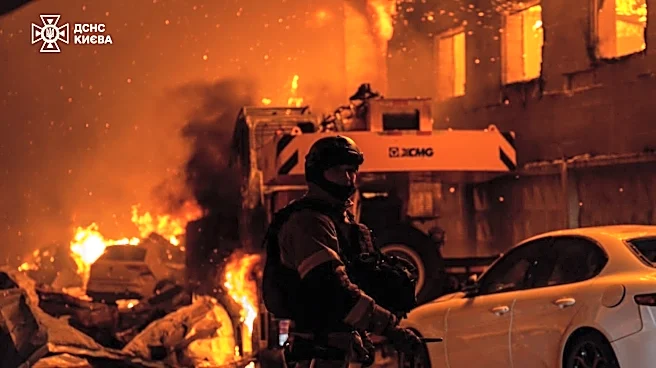
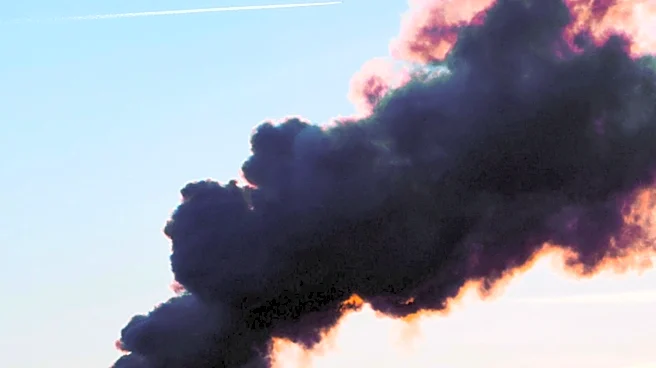
Ukraine has intensified its drone strike campaign against Russian oil refineries, leading to significant disruptions in Russia's fuel supply. The strikes, described by President Volodymyr Zelensky as 'Ukrainian long-range sanctions,' have targeted major
refineries, causing shutdowns and severe damage. As a result, Russian motorists are experiencing long queues for fuel, and the country has suspended exports of gasoline and jet fuel. The campaign has affected nearly every major refinery in Russia, with only the Angarsk Refinery in Irkutsk Oblast remaining undamaged due to its remote location. The strikes have brought the reality of war closer to Russian citizens, who are now facing fuel rationing and shortages.
Why It's Important?
The disruption of Russia's fuel supply has significant implications for both the Russian economy and its military operations. The fuel shortages are affecting Russian troops on the front lines, forcing them to reduce diesel use and relocate supply depots. Economically, the strikes are impacting Russia's ability to export crude oil and maintain its domestic economy. The situation is exacerbating war fatigue among Russian citizens, who are increasingly pessimistic about the economy. The fuel crisis is adding to the challenges faced by the Russian government, which is scrambling to find solutions, including importing fuel from other countries and considering the production of lower-grade fuels.
What's Next?
The Russian government is attempting to mitigate the fuel shortages by importing gasoline from countries like India, Belarus, and Kazakhstan. However, these measures may not be sufficient to address the widespread shortages. The ongoing drone strikes by Ukraine are likely to continue, further complicating Russia's efforts to repair and maintain its oil infrastructure. The situation could lead to increased domestic unrest and pressure on the Russian government to find a resolution to the conflict. Additionally, the fuel crisis may force Russia to reconsider its military strategies and resource allocation.
Beyond the Headlines
The fuel crisis in Russia highlights the broader impact of the Ukraine conflict on global energy markets. The strikes on Russian refineries are not only a military tactic but also a strategic move to weaken Russia's economic stability. The situation underscores the vulnerability of critical infrastructure in conflict zones and the potential for non-traditional warfare tactics to have far-reaching consequences. The crisis also raises questions about the long-term sustainability of Russia's energy-dependent economy and its ability to withstand prolonged disruptions.