



What's Happening?
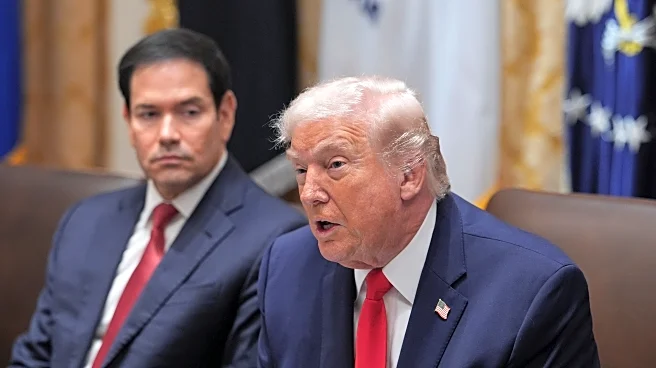
President Trump has revived a campaign pledge to impose a one-year cap on credit card interest rates at 10%, a move that could potentially save Americans tens of billions of dollars. This proposal, however, has been met with strong opposition from the
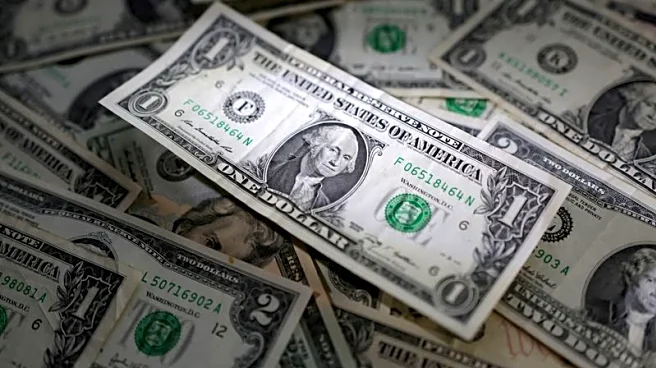
credit card industry, which has historically supported Trump. The American Bankers Association and other industry groups argue that such a cap would push consumers towards less regulated and more expensive credit alternatives. Currently, Americans pay between 19.65% and 21.5% in interest on credit cards, according to the Federal Reserve. While the proposal could significantly reduce these rates, it also threatens to impact the profitability of credit card companies, potentially leading to a reduction in rewards and perks offered to consumers.
Why It's Important?
The proposed cap on credit card interest rates is significant as it addresses the broader issue of affordability and financial strain on American families. By potentially saving consumers around $100 billion annually, the cap could alleviate some of the financial burdens faced by many. However, the credit card industry warns that the cap could lead to unintended consequences, such as reduced access to credit and a shift towards more costly lending options like payday loans. This proposal also highlights the tension between regulatory efforts to protect consumers and the interests of financial institutions. If implemented, the cap could set a precedent for further regulatory actions aimed at curbing high-interest rates in other areas of consumer finance.
What's Next?
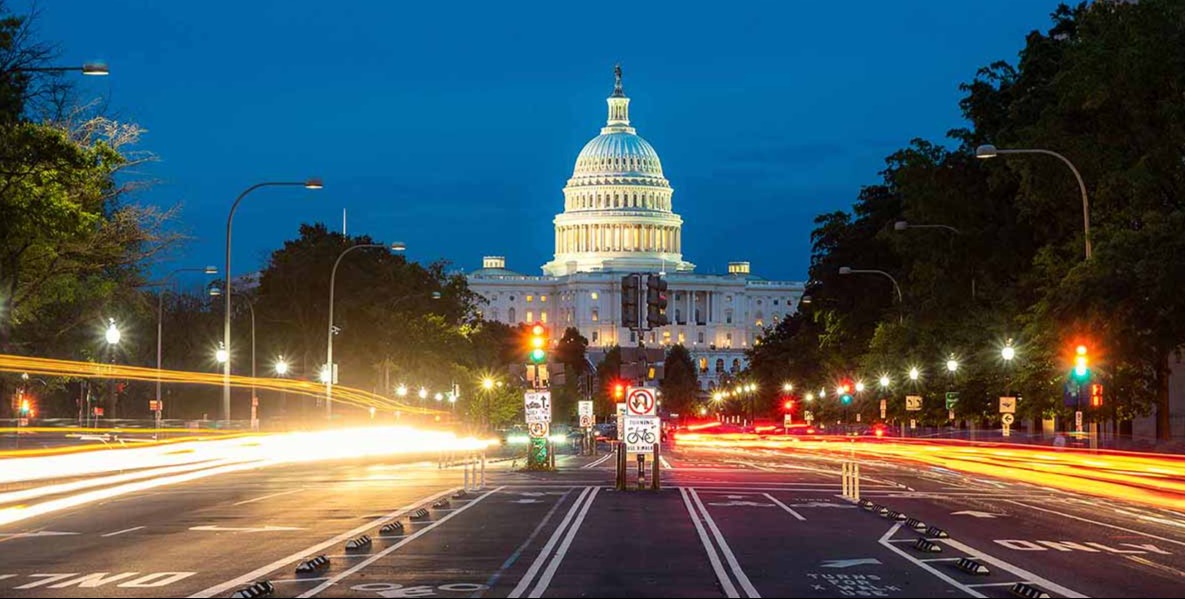
The next steps involve potential legislative action, as both the House and Senate have introduced bills that align with Trump's proposal. Senators Bernie Sanders and Josh Hawley have already put forward a plan to cap interest rates at 10% for five years, leveraging Trump's campaign promise to gain support. The outcome of these legislative efforts will depend on the political dynamics in Congress and the level of bipartisan support. Additionally, the response from the credit card industry and its lobbying efforts will play a crucial role in shaping the final decision. The White House has yet to clarify whether the cap would be implemented through executive action or require legislative approval.