





What's Happening?
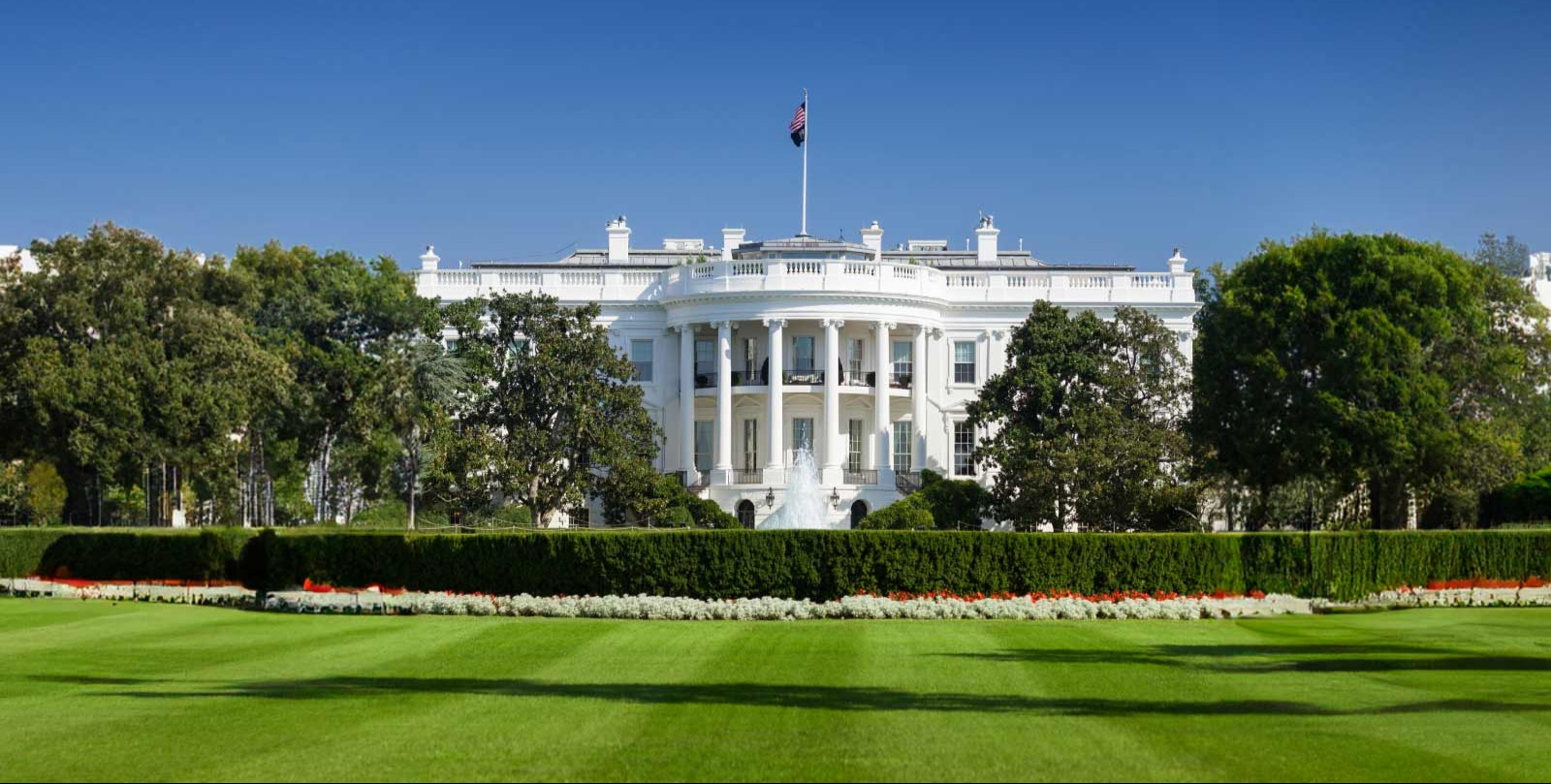
A two-week ceasefire has been agreed upon by Iran, the United States, and Israel, following a period of intense conflict that has affected the Middle East and global energy markets. The ceasefire comes after President Trump retracted threats to destroy
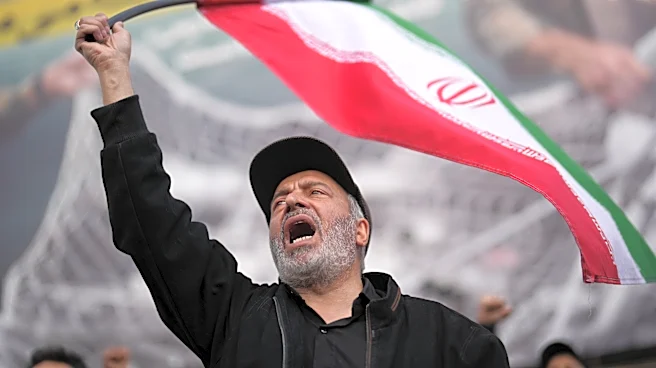
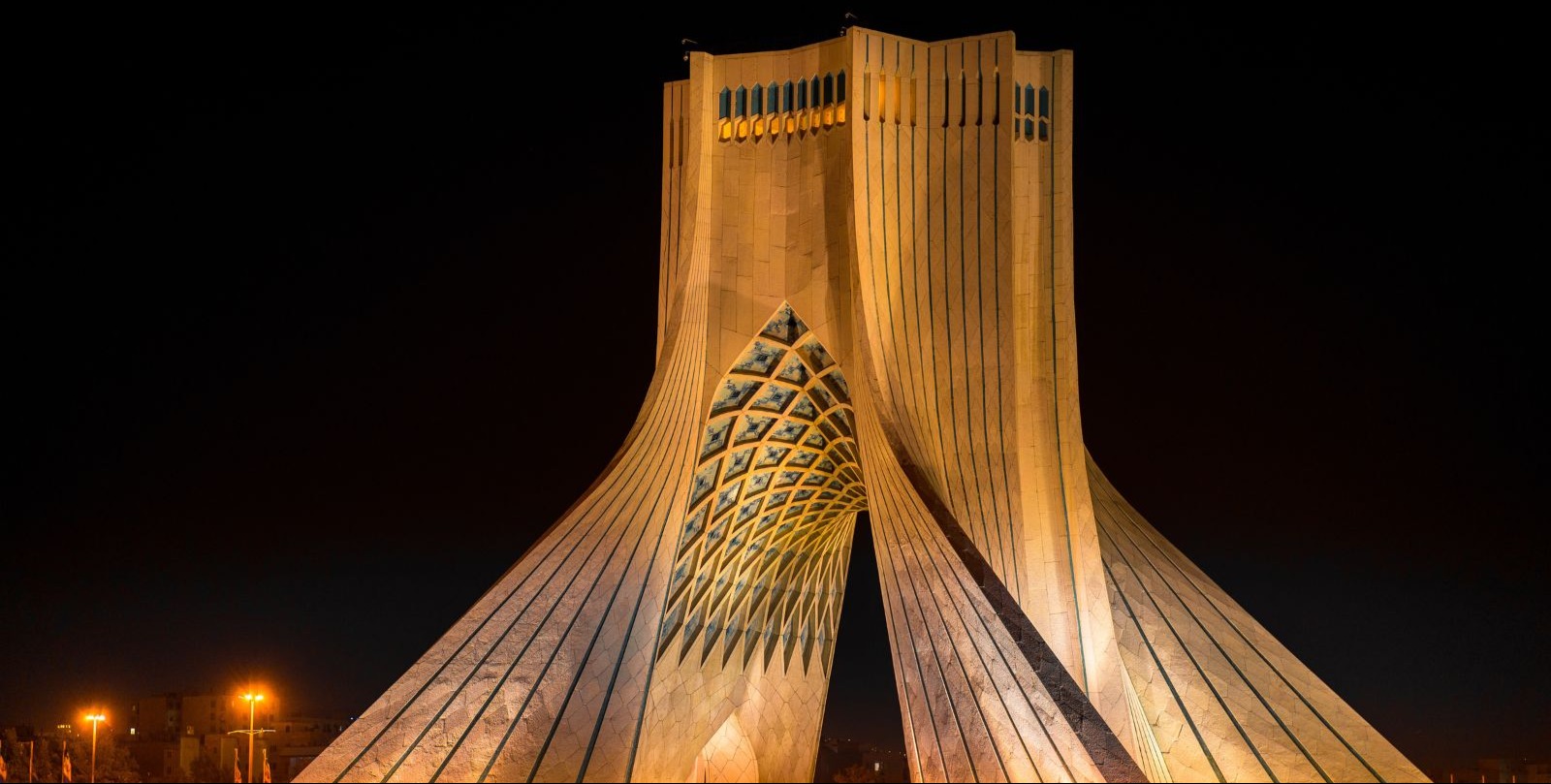
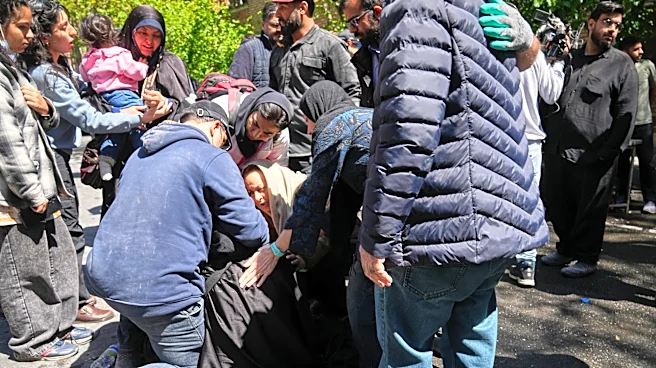
Iranian 'civilization.' The agreement aims to pause hostilities and open the door for potential diplomatic negotiations. The ceasefire has been met with mixed reactions, with pro-government demonstrations occurring in Tehran. The conflict has seen significant military engagements, including missile strikes, which have caused casualties and infrastructure damage in the region.
Why It's Important?
The ceasefire is a critical development in the ongoing conflict, offering a temporary reprieve from hostilities that have had far-reaching impacts on regional stability and global energy supplies. The agreement could pave the way for diplomatic negotiations, potentially altering the geopolitical landscape of the Middle East. The ceasefire's success or failure will have significant implications for international relations, particularly U.S. foreign policy and its approach to Iran. The situation remains delicate, with the potential for renewed conflict if diplomatic efforts do not progress.
What's Next?
The ceasefire provides an opportunity for diplomatic engagement between the involved parties. The international community will be closely monitoring the situation, as the outcome could influence future geopolitical dynamics and economic interests. The U.S. and its allies may seek to leverage the ceasefire to negotiate terms that address nuclear proliferation concerns and regional security issues. The response from Iran's leadership and its internal political dynamics will also play a crucial role in determining the ceasefire's longevity and the potential for lasting peace.