









What's Happening?
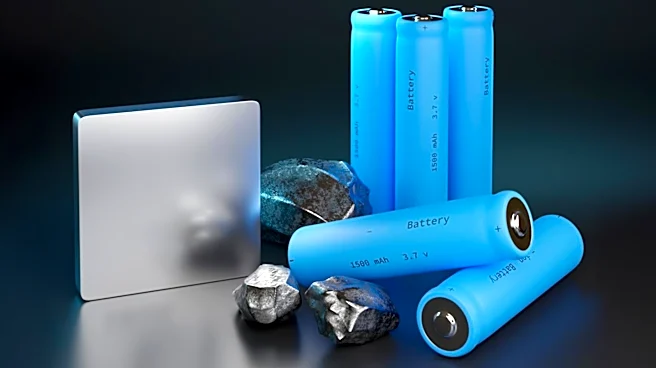
Not all lithium batteries are rechargeable, a critical distinction often misunderstood by consumers and product developers. The term 'lithium battery' encompasses both primary (single-use) and secondary (rechargeable) types. Primary lithium batteries,
such as many lithium-metal chemistries found in coin cells and sensors, are designed for one-time use and should never be recharged. Attempting to recharge them can lead to leakage, overheating, pressure buildup, fire, or other hazards. In contrast, rechargeable lithium-ion technologies, including Li-ion, LiPo, and LiFePO4, are specifically engineered for repeated charge and discharge cycles within defined limits. The U.S. Department of Energy emphasizes that lithium-ion batteries are rechargeable systems where electrochemical reactions can be reversed. Panasonic and the FDA also differentiate between primary and rechargeable lithium batteries in their technical documentation, highlighting the importance of understanding battery chemistry and specifications for safe operation.
Why It's Important?
This distinction is paramount for consumer safety, product development, and environmental responsibility in the U.S. Misidentifying a non-rechargeable battery as rechargeable can result in dangerous incidents, including fires and explosions, posing risks to individuals and property. For product developers and OEM purchasing teams, correctly identifying battery chemistry and specifications is essential for selecting appropriate chargers and integrating batteries safely into devices. This ensures optimal performance, longevity, and compliance with safety standards. The U.S. Consumer Product Safety Commission provides resources on battery-related safety standards and hazards, underscoring the regulatory focus on preventing such incidents. Furthermore, understanding battery types contributes to proper disposal and recycling efforts, which are vital for recovering valuable materials and minimizing environmental impact.
What's Next?
Consumers are advised to always check the technical documentation or labeling of a battery to determine if it is rechargeable and to follow manufacturer guidelines for charging and disposal. For product developers, the emphasis will continue to be on comprehensive evaluation of battery chemistry, cell configuration, protection circuitry (PCM/BMS), charger compatibility, and certification requirements as a complete system. The industry will likely see continued advancements in battery management systems to enhance safety and performance across various applications. Educational initiatives from regulatory bodies and manufacturers will be crucial to inform the public about the safe handling and disposal of different battery types, especially as lithium-based technologies become more ubiquitous in everyday devices and emerging sectors like electric vehicles.
Beyond the Headlines
The nuanced understanding of lithium battery types reflects a broader challenge in managing rapidly evolving technology. As battery technology advances, the complexity of safe usage and disposal increases. This issue touches upon critical areas such as product liability, consumer education, and the development of robust recycling infrastructures. The U.S. is heavily invested in battery research and development, particularly for electric vehicles and grid-scale energy storage, making the safe handling and lifecycle management of these batteries a national priority. The ethical implications of resource extraction for battery components also highlight the need for efficient recycling to reduce environmental footprints and promote sustainable practices. Ultimately, a clear distinction between battery types and adherence to safety protocols are fundamental to harnessing the benefits of lithium technology responsibly.