




What's Happening?
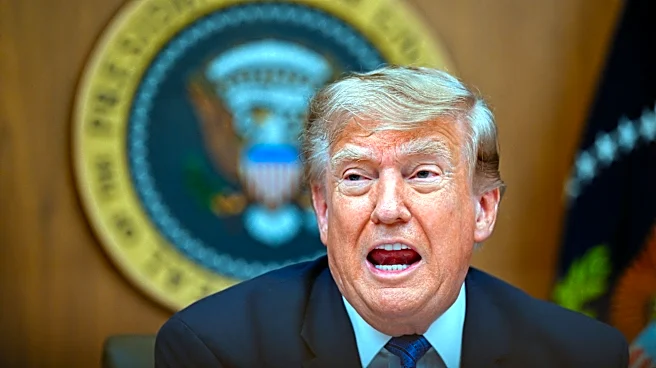
President Donald Trump has made unsubstantiated claims that Minnesota Governor Tim Walz is responsible for recent cyberattacks on municipal water systems. During a Cabinet meeting at Camp David, Trump dismissed the possibility of Iranian involvement,
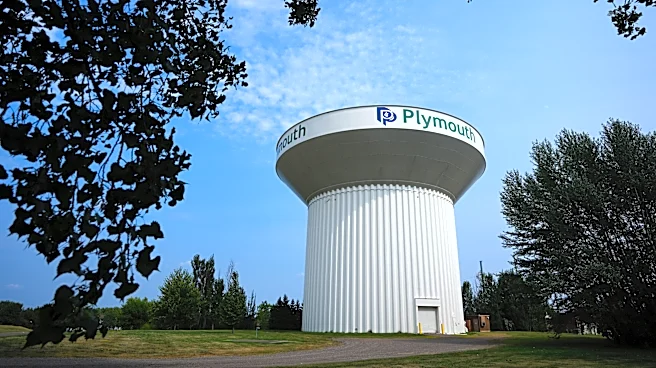
instead attributing the attacks to Minnesota's 'corrupt governor.' The FBI and Environmental Protection Agency have reported incidents affecting water utilities in at least seven states, but have not identified a specific perpetrator. Governor Walz, a known critic of Trump, has denied the allegations, emphasizing that Minnesota's experts quickly identified and addressed the vulnerabilities. The state's investigation into the cyberattacks is ongoing, with no evidence linking Walz or Minnesota to the incidents.
Why It's Important?
The allegations made by President Trump against Governor Walz highlight the ongoing political tensions and the potential for misinformation to influence public perception. Accusations without evidence can undermine trust in public officials and institutions, potentially affecting governance and public policy. The cyberattacks themselves pose a significant threat to public infrastructure, emphasizing the need for robust cybersecurity measures. The situation also reflects broader geopolitical tensions, as the U.S. considers Iran a suspect in the attacks. The outcome of the investigation could impact U.S. foreign policy and domestic security strategies, particularly in how cyber threats are managed and communicated to the public.
What's Next?
As the investigation into the cyberattacks continues, it is expected that federal and state agencies will collaborate to identify the perpetrators and prevent future incidents. Political leaders, including Governor Walz, may seek to address the allegations publicly to maintain trust and transparency. The situation could prompt discussions on improving cybersecurity infrastructure and policies at both state and national levels. Additionally, the political implications of Trump's accusations may influence upcoming elections and the political landscape, particularly if further evidence or developments arise.