





What's Happening?
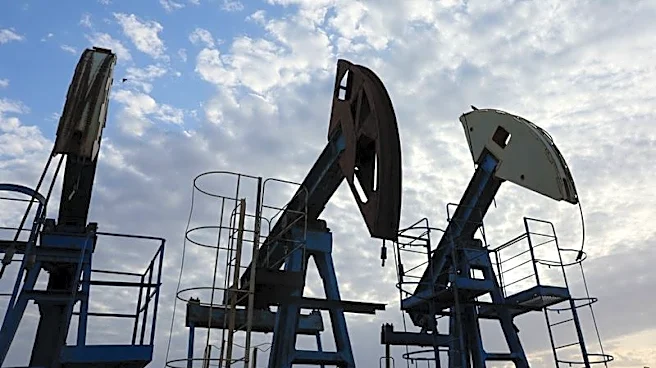
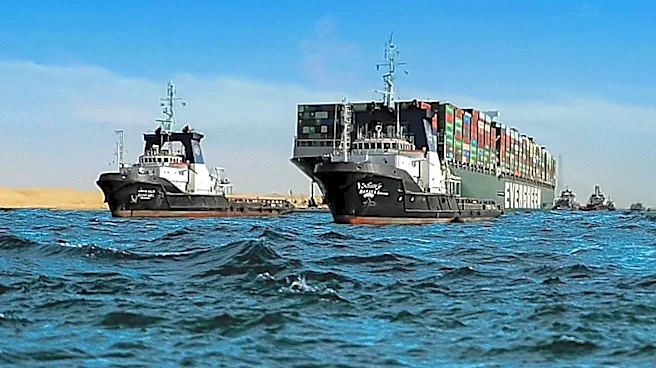
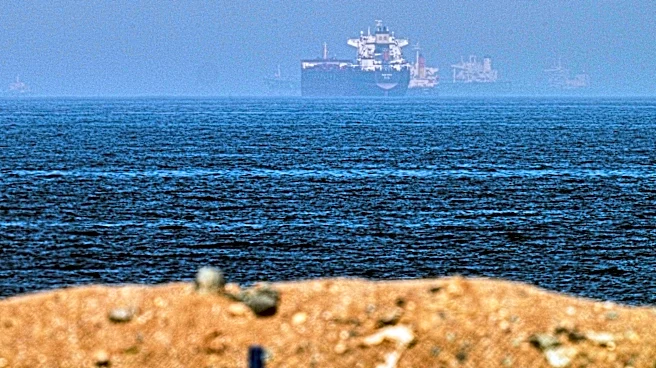
Saudi Arabia has implemented a costly detour for its oil exports to avoid the Strait of Hormuz, adding approximately $5 per barrel to transportation costs. This new route involves transporting oil across Saudi Arabia to the Red Sea, through Egypt, and
around the Cape of Good Hope to reach Asian markets. The detour is a response to the vulnerabilities of the Strait of Hormuz and Bab el-Mandeb, which have been threatened by geopolitical tensions. Despite the increased costs, this strategy provides Saudi Arabia with a crucial alternative route, ensuring continued oil exports amidst regional instability.
Why It's Important?
The detour underscores the strategic importance of maintaining multiple export routes for oil, especially in regions prone to geopolitical disruptions. By investing in alternative logistics, Saudi Arabia enhances its resilience against potential supply chain interruptions. This move also reflects broader trends in the oil industry, where geopolitical risks necessitate flexible and redundant infrastructure. The additional costs are justified by the need to secure reliable export channels, which are vital for global energy markets and economic stability.
Beyond the Headlines
The decision to establish a costly detour highlights the shifting dynamics in global oil logistics. As geopolitical tensions persist, countries may increasingly prioritize infrastructure investments that offer strategic flexibility. This could lead to a reevaluation of traditional supply routes and encourage the development of new pipelines and terminals. Additionally, the move aligns with Saudi Arabia's Vision 2030, which aims to diversify the economy and reduce reliance on oil exports. The detour serves as a reminder of the complex interplay between energy security, economic policy, and geopolitical strategy.