
What's Happening?
The World Health Organization (WHO) has issued a warning about a significant surge in respiratory infections in Gaza, with projections indicating a worsening situation due to heavy winter rains, flooding,
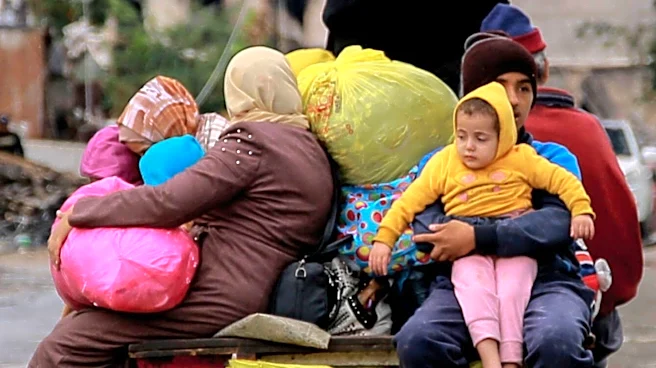
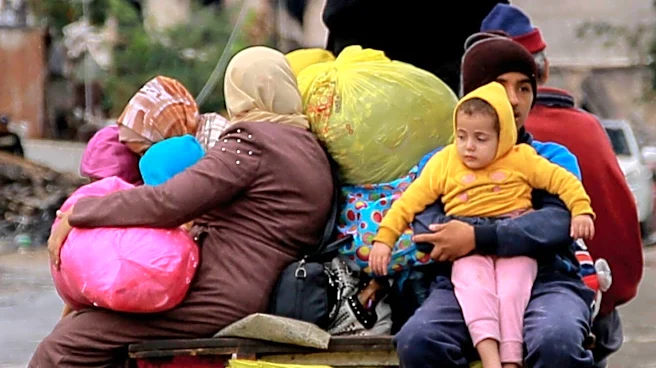
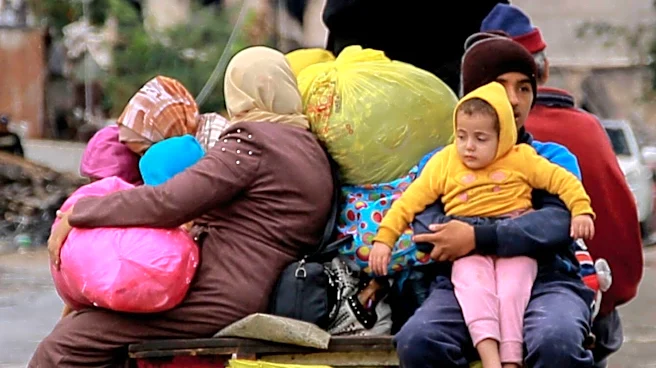
and severe overcrowding. Dr. Reinhilde Van De Weerdt, WHO Representative in the Occupied Palestinian Territory, reported that acute respiratory infections are 33,000 cases higher than the same period last year. This increase is attributed to poor living conditions and the shrinking area available for Gaza's population, exacerbated by the Israeli military's expansion of control beyond the 'yellow line' demarcation. Nearly a million displaced people in Gaza reside in flood-exposed areas, with 400,000 at extremely high risk. The WHO highlighted that flooding increases the risk of contaminated water and encourages the growth of mold and bacteria, major drivers of respiratory infections, especially in young children. While most medicines are entering Gaza, the WHO faces difficulties in securing laboratory supplies crucial for diagnosis.
Why It's Important?
The escalating health crisis in Gaza, particularly the surge in respiratory infections, poses a severe public health threat that could overwhelm an already decimated healthcare system. The dire living conditions, including overcrowding and inadequate sanitation, create a fertile ground for disease transmission, potentially leading to widespread outbreaks. This situation has significant humanitarian implications, as it directly impacts the health and well-being of a vulnerable population, especially children. The difficulty in obtaining laboratory supplies further cripples the ability to diagnose and treat diseases effectively, turning a health challenge into a potential catastrophe. For the U.S. and international aid organizations, this highlights the urgent need for increased humanitarian assistance, including medical supplies and improved infrastructure, to prevent a larger public health disaster. The expansion of military control and its impact on civilian displacement also underscore the complex interplay between conflict, humanitarian access, and public health outcomes.
What's Next?
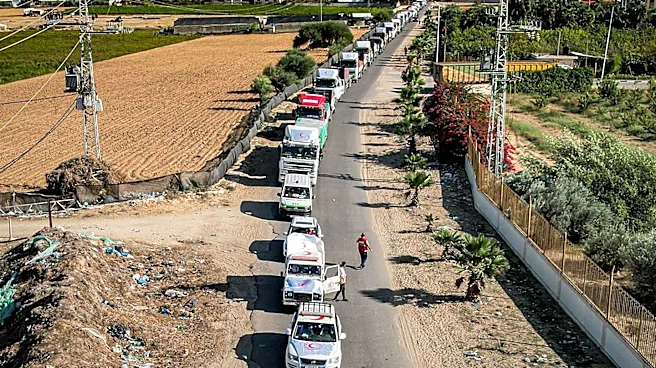
The WHO is calling for immediate action to allow laboratory equipment into Gaza to prevent a public health disaster. Without these supplies, the ability to diagnose and treat the surging respiratory infections will remain severely limited. International aid organizations and governments, including the U.S., will likely face increased pressure to facilitate the entry of essential medical supplies and to support efforts to improve living conditions and sanitation in Gaza. As winter progresses, the humanitarian situation is expected to deteriorate further, necessitating a coordinated and robust international response. The Israeli military and COGAT's response to requests for comment and their efforts to improve sanitary conditions will be closely watched by the international community.
Beyond the Headlines
The public health crisis in Gaza extends beyond immediate medical needs, touching upon fundamental issues of human dignity, environmental health, and the long-term consequences of conflict. The destruction of infrastructure and the displacement of populations create a cycle of vulnerability where disease thrives. The lack of adequate housing, clean water, and sanitation not only fuels infectious diseases but also contributes to chronic health problems and psychological trauma. The challenge of delivering aid in a conflict zone, particularly when essential items are deemed 'dual-use,' highlights the complex ethical and logistical hurdles faced by humanitarian organizations. This situation underscores the critical importance of protecting civilian populations and ensuring unimpeded humanitarian access during conflicts, as the health consequences can far outlast the immediate hostilities and have generational impacts.