




What's Happening?
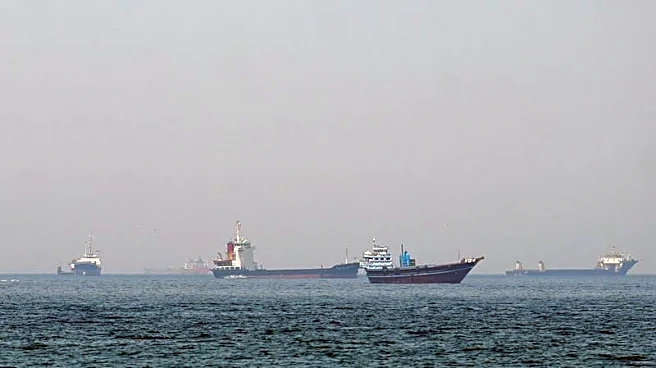
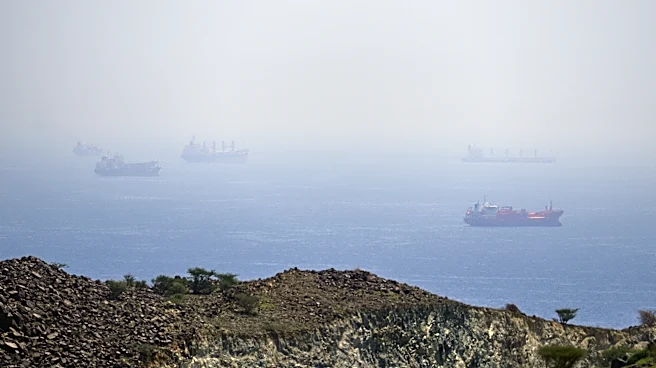
Recent geopolitical tensions in the Strait of Hormuz have significantly impacted global energy markets. The strait, a critical maritime corridor through which approximately 20% of the world's oil supply flows, has become a focal point of instability due
to escalating conflicts. This has led to disruptions in vessel movements, increased insurance costs, and a reevaluation of shipping routes. The situation underscores the fragility of global energy supply chains, which are heavily reliant on a few key transit corridors. The instability has resulted in a systemic shift in how risks are perceived and managed within the logistics and energy sectors, with operators facing increased volatility in fuel prices and freight surcharges.
Why It's Important?
The disruptions in the Strait of Hormuz have broader implications for global energy security and economic stability. The reliance on fossil fuels, which are geographically concentrated and dependent on limited transit corridors, exposes the global economy to significant risks. The current situation highlights the need for diversification of energy sources and routes to reduce dependency on volatile regions. For Europe, in particular, this represents a structural vulnerability, as its energy security is closely tied to external actors. The events also emphasize the importance of decarbonization and digital collaboration in logistics to enhance resilience and reduce exposure to geopolitical instabilities.
What's Next?
In response to the ongoing instability, there may be increased efforts to develop alternative energy sources and routes. This could involve investments in renewable energy infrastructure and the establishment of green shipping corridors. Additionally, there may be a push for greater digital collaboration within the logistics sector to improve coordination and reduce reliance on reactive measures. These steps could help mitigate the impact of future disruptions and enhance the resilience of global supply chains.
Beyond the Headlines
The situation in the Strait of Hormuz serves as a reminder of the interconnectedness of global supply chains and the need for systemic changes to enhance resilience. The reliance on fossil fuels not only poses environmental challenges but also creates operational constraints that affect reliability and cost. By shifting towards decarbonization and digital collaboration, logistics systems can become more independent and less exposed to external volatility. This transition represents an opportunity for regions like Europe to gain a competitive advantage by reducing dependency on fossil-based energy.