



What's Happening?
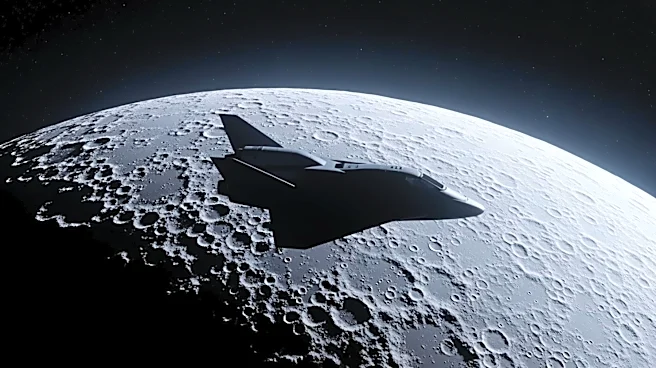
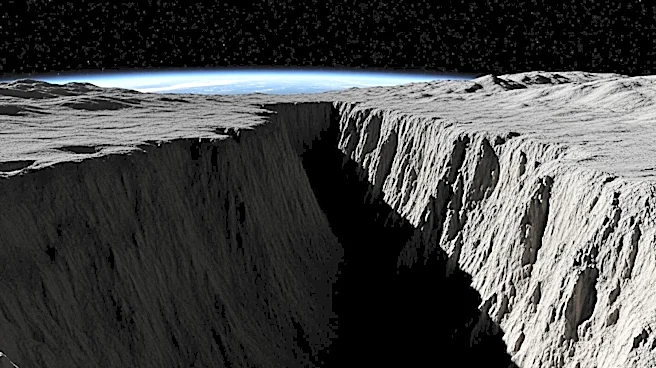
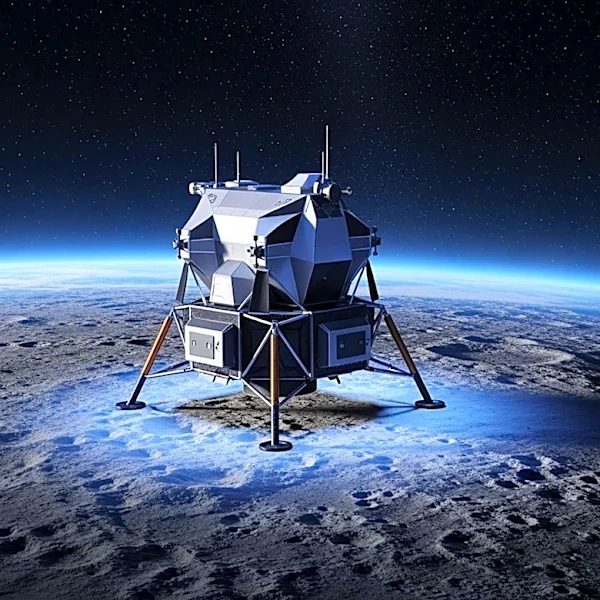
The Artemis II mission, part of NASA's Artemis program, has released new images of the moon, including a portion of the Orientale basin, which has never been observed by human eyes before. The images were captured by the crew aboard the Orion spacecraft,
which is currently on a historic journey to the moon. The Orientale basin, a 600-mile-wide crater, represents a transition region between the near and far sides of the moon. NASA astronaut Christina Koch described the views of the lunar far side as 'absolutely spectacular.' The mission also includes capturing high-resolution selfies with the moon and Earth using cameras on the spacecraft's solar array wings. The crew is more than halfway to the moon, with a lunar flyby scheduled soon.
Why It's Important?
This mission marks a significant milestone in human space exploration, as it is the first time in over five decades that humans are venturing into deep space. The images captured by Artemis II provide new scientific insights into the moon's geography, particularly the far side, which has been less explored. This mission not only advances our understanding of the moon but also sets the stage for future lunar exploration and potential human settlement. The success of Artemis II could pave the way for more ambitious missions, including the eventual goal of landing humans on Mars. The mission also demonstrates international collaboration in space exploration, with Canadian astronaut Jeremy Hansen being part of the crew.
What's Next?
The Artemis II crew is expected to conduct a lunar flyby soon, which will provide further opportunities to capture detailed images of the moon's surface. The mission's progress will be closely monitored by NASA and the international space community, as it could influence future space exploration strategies. The data and images collected will be analyzed to enhance our understanding of the moon's composition and history. Additionally, the mission's success could bolster public and governmental support for continued investment in space exploration, potentially leading to more collaborative international efforts in the future.