





What's Happening?
NASA has commenced its Annual Student Airborne Research Program (SARP), bringing together 48 undergraduate students from across the United States for an immersive eight-week internship. This year, the program is uniquely structured with students from both
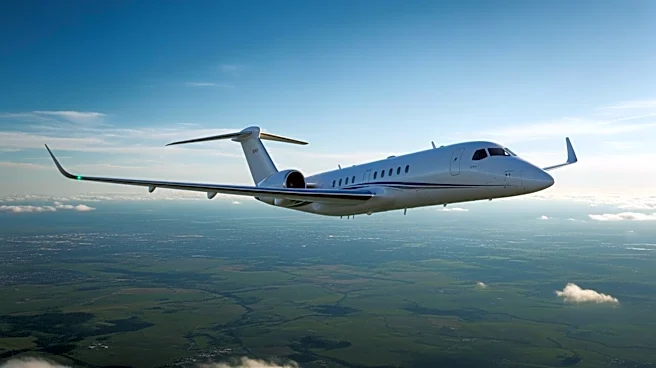
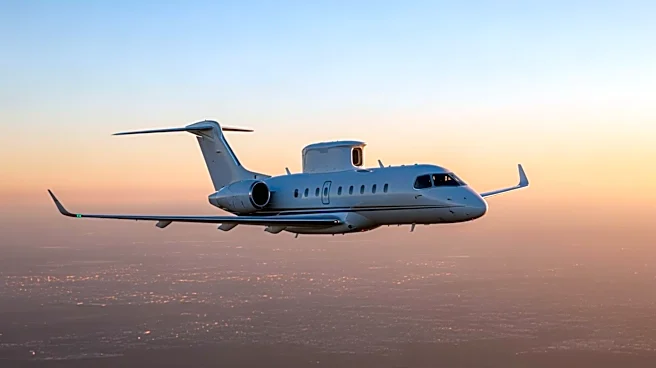
the East and West coasts meeting in Houston, Texas, for the initial phase. The program offers students the opportunity to engage directly with NASA scientists and university mentors, participating in hands-on science and data-gathering activities. Students will be divided into groups focusing on various topics such as hydrology, atmosphere, land, and ocean studies. They will collect water, soil, and atmospheric samples and conduct research flights to gather atmospheric data. The program aims to provide students with a comprehensive understanding of scientific research processes and operations.
Why It's Important?
The SARP program is significant as it provides students with a unique opportunity to gain practical experience in scientific research, which is crucial for their academic and professional development. By working alongside NASA scientists and university mentors, students can enhance their understanding of environmental science and data collection techniques. This experience not only contributes to their educational growth but also helps build their confidence and skills in scientific inquiry. The program supports the development of future scientists and researchers, potentially influencing their career paths and contributions to scientific advancements. Additionally, the program fosters collaboration and networking among students and professionals, which can lead to future research opportunities and innovations.
What's Next?
As the program progresses, students will continue to engage in various research activities, including ground and oceanographic research. They will analyze the data collected during their flights and fieldwork, applying their findings to real-world environmental challenges. The program will also provide students with opportunities to present their research and findings, further enhancing their communication and presentation skills. NASA and participating universities will continue to support and mentor these students, potentially leading to future collaborations and research projects. The program's success may also inspire similar initiatives, expanding opportunities for students in scientific research.