

What's Happening?
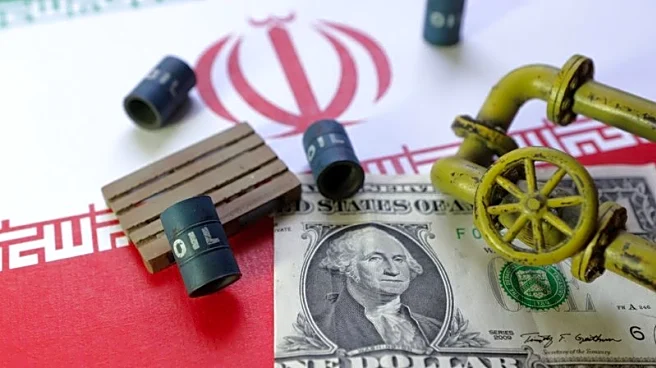
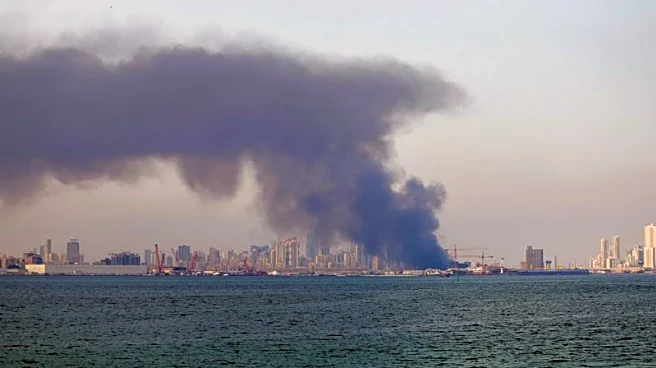
Recent military actions by the US and Israel against Iran have led to significant market reactions, particularly in the commodities sector. The spot price of gold has surged past $5,278 per ounce, driven by increased demand for safe-haven assets amid
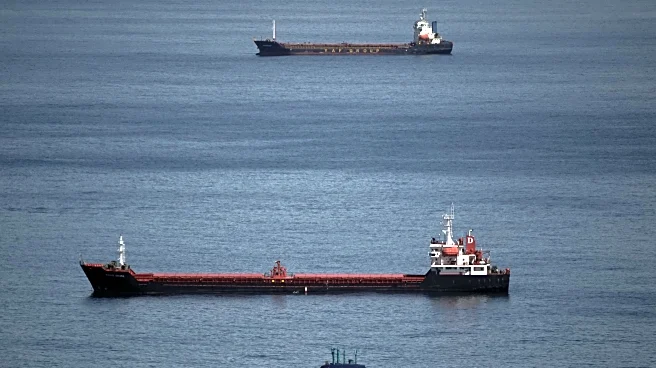
escalating geopolitical tensions in the Middle East. Analysts suggest that if the situation intensifies, gold prices could reach new highs. Additionally, crude oil prices are expected to rise due to concerns over potential supply disruptions, especially with the closure of the Strait of Hormuz by Iran. This strategic waterway is crucial for global oil and liquefied natural gas shipments, and its closure has already led to the suspension of shipments by major oil companies.
Why It's Important?
The escalation in geopolitical tensions has significant implications for global markets, particularly in the commodities sector. The surge in gold prices reflects a classic risk-off response, where investors seek safe-haven assets during times of uncertainty. The potential for further increases in oil prices could have widespread economic impacts, particularly for countries heavily reliant on oil imports. In the US, higher oil prices could lead to increased costs for consumers and businesses, potentially affecting economic growth. The situation also highlights the vulnerability of global supply chains to geopolitical events, emphasizing the need for diversification and risk management strategies.
What's Next?
As tensions continue, markets are likely to experience increased volatility. Investors will be closely monitoring the situation for any signs of escalation or resolution. Should the conflict spread or intensify, further price volatility in commodities and downward pressure on global stock markets are expected. The response from major stakeholders, including governments and international organizations, will be crucial in determining the next steps. Efforts to de-escalate the situation and ensure the security of key shipping routes will be critical in stabilizing markets.
Beyond the Headlines
The current situation underscores the complex interplay between geopolitical events and global markets. The reliance on key strategic waterways like the Strait of Hormuz highlights the geopolitical sensitivity of energy supply routes. This event may prompt a reevaluation of energy security strategies and encourage investment in alternative routes and energy sources. Additionally, the situation raises ethical and legal questions about the use of military force and its impact on global stability.