



What's Happening?
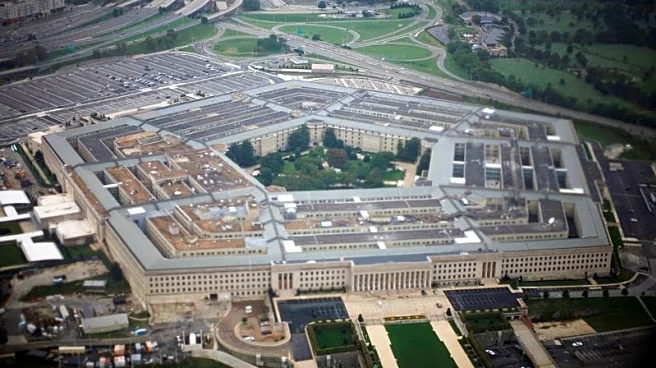
A federal judge in Washington, D.C., has ruled against the Defense Department's press policy, declaring it unconstitutional. The policy, introduced in October, allowed the Pentagon to revoke press credentials for journalists who requested information
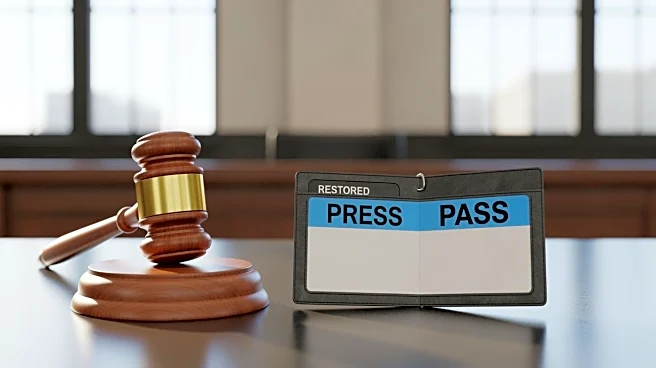
not authorized for release, even if unclassified. This led to a significant number of journalists from major news organizations, including The New York Times and The Washington Post, refusing to sign the agreement. Senior U.S. District Judge Paul L. Friedman emphasized the importance of public access to diverse perspectives, especially during ongoing conflicts like the war with Iran. The ruling favored The New York Times and its reporter, Julian E. Barnes, restoring their press credentials and halting the enforcement of the policy.
Why It's Important?
The ruling underscores the critical role of a free press in maintaining transparency and accountability in government actions, particularly in military affairs. By striking down the policy, the court has reinforced the First Amendment rights of journalists, ensuring they can report on government activities without undue restriction. This decision is significant for media organizations and the public, as it reaffirms the necessity of independent journalism in providing comprehensive coverage of government operations. The ruling also highlights the potential for policies to be used to suppress unfavorable coverage, which could undermine democratic processes and informed public discourse.
What's Next?
Following the ruling, the Pentagon is expected to appeal the decision, as indicated by Chief Pentagon spokesman Sean Parnell. The appeal process will likely involve further legal scrutiny of the policy's implications on press freedom and national security. Meanwhile, media organizations and press freedom advocates will continue to monitor the situation, advocating for the protection of journalistic rights. The outcome of the appeal could set a precedent for how government agencies interact with the press, particularly in times of conflict.
Beyond the Headlines
The case highlights broader issues of press freedom and government transparency, especially in the context of national security. It raises questions about the balance between protecting sensitive information and ensuring public access to government actions. The ruling may prompt other government agencies to review their policies regarding media interactions, potentially leading to more open and transparent communication practices. Additionally, the decision could influence future legal challenges related to press freedom and government accountability.