




What's Happening?
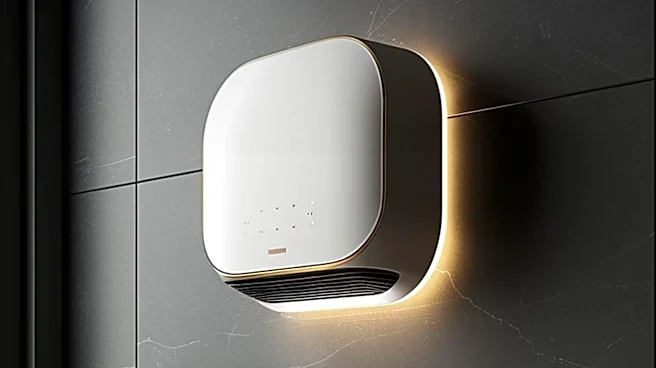
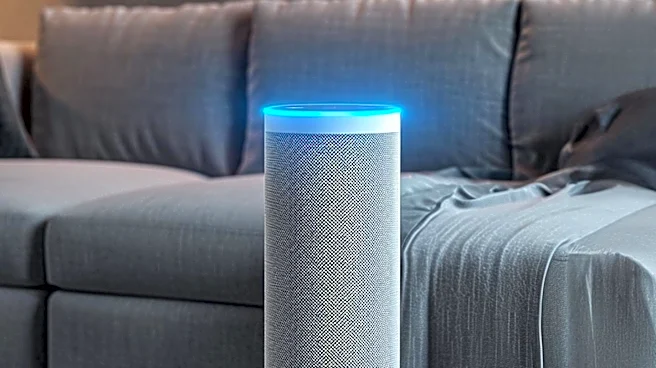
Smart mini-split controllers are emerging as a solution to integrate ductless air conditioners and heat pumps into smart home ecosystems, according to GearBrain. Unlike conventional smart thermostats that use low-voltage wiring, these controllers operate
by sending infrared commands, similar to a traditional remote. They connect to a home's Wi-Fi network, enabling users to manage functions such as turning units on/off, adjusting temperature, changing operating modes, and controlling fan speeds via a smartphone app. This technology allows for scheduling, geofencing, and integration with broader smart home routines, offering a more convenient way to manage climate control for mini-split systems. Products like Mysa, Cielo Breez Max, and Sensibo Air Pro are highlighted as leading options, each offering distinct features such as Apple Home integration, advanced climate automation, or air quality monitoring.
Why It's Important?
The integration of smart thermostats with mini-split systems is significant for U.S. consumers and the energy sector. Mini-splits are increasingly popular for their energy efficiency and ability to provide zoned heating and cooling without ductwork. By adding smart control, these systems become more accessible and user-friendly, potentially leading to greater adoption. For homeowners, this means enhanced comfort, convenience, and the ability to optimize energy usage through features like scheduling and remote control. For the energy grid, widespread adoption of smart climate control could contribute to demand-side management, allowing for more efficient energy distribution and potentially reducing peak load. Businesses in the smart home technology and HVAC sectors stand to gain from increased demand for these controllers and related services, while consumers benefit from more sophisticated and integrated home climate management solutions.
What's Next?
The market for smart mini-split controllers is expected to continue evolving with advancements in compatibility and smart home integration. Consumers can anticipate more seamless integration with various smart home platforms like Apple Home, Alexa, Google Home, and Matter. Manufacturers will likely focus on expanding the range of supported mini-split models and enhancing features such as advanced automation, energy usage analytics, and environmental monitoring. The emphasis on compatibility will remain crucial, with buyers needing to verify specific model support and smart home ecosystem integration before purchase. As technology progresses, these controllers may also incorporate more sophisticated AI-driven optimization to predict user preferences and further reduce energy consumption, potentially leading to new energy efficiency programs and incentives from utility providers.
Beyond the Headlines
The rise of smart mini-split controllers points to a broader trend in home automation: the intelligent management of previously 'dumb' appliances. This development extends beyond mere convenience, touching upon significant ethical and environmental implications. On the environmental front, optimized energy usage through smart scheduling and automation can contribute to reduced carbon footprints, aligning with national sustainability goals. Ethically, the collection of household data—such as temperature preferences, occupancy patterns, and even air quality—raises privacy concerns. Manufacturers and users will need to navigate how this data is stored, used, and protected. Culturally, the increasing interconnectedness of home devices is transforming our relationship with living spaces, moving towards environments that are not just comfortable but also responsive and predictive. This shift could redefine expectations for home comfort and energy management, making smart climate control a standard rather than a luxury.