



What's Happening?
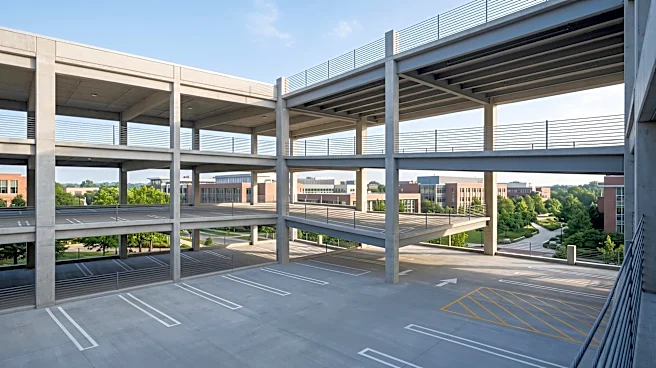
Indiana University has implemented changes to its parking policies, specifically impacting the Poplars Garage. As of this month, standard IU parking permits are no longer accepted for parking in the Poplars Garage. This change is due to the garage's primary
transition to serving residents of The Beverly Apartments, a new development located at Seventh and Dunn streets. Consequently, non-resident parking in the Poplars Garage is now restricted to 41 metered City of Bloomington spaces, which include three ADA-accessible spaces. However, graduate students who qualify for Graduate Student Garage Parking permits will still have the option to select Poplars as their preferred parking location. Indiana University is advising employees who previously used the Poplars Garage to seek alternative parking solutions, such as nearby surface lots or the Henderson Parking Garage. No alterations have been made to the surface lots along Indiana Avenue, which continue to be reserved for EM-P, EM-S, ADA, and service vehicle permits during weekday business hours.
Why It's Important?
These parking policy changes at Indiana University have significant implications for students, faculty, and staff who rely on campus parking. The reduction in available parking for standard permit holders at the Poplars Garage will necessitate adjustments in commuting routines and potentially increase demand for alternative parking facilities. This shift could lead to increased congestion in other campus parking areas or a greater reliance on public transportation or alternative commuting methods. For residents of The Beverly Apartments, the dedicated parking access provides a convenience that supports the new development. However, for the broader university community, the change represents a loss of a previously accessible parking option. The university's recommendation for employees to use the Henderson Parking Garage or surface lots suggests a redistribution of parking demand, which could strain existing resources in those areas. This situation highlights the ongoing challenge of managing parking infrastructure in growing urban and university environments.
What's Next?
Further changes to Indiana University's transportation system are anticipated this fall. Beginning September 8, the Henderson Garage will transition to a gateless system, utilizing license plate recognition technology for permit holders and ParkMobile for visitors. This technological upgrade aims to streamline entry and exit processes. Additionally, construction on the Eagleson Avenue railroad bridge is scheduled to commence on September 1. This construction project will eliminate parking on Law Lane, specifically the section east of Eagleson Avenue to 10th Street, for approximately one year. These upcoming changes will further impact parking availability and traffic flow around the Bloomington campus, requiring continued adaptation from the university community. Students and employees will need to stay informed about these developments and plan their commutes accordingly to minimize disruption.
Beyond the Headlines
The parking changes at Indiana University reflect a broader trend in urban planning and university campus management, where the increasing density of residential and commercial developments often leads to re-evaluation of existing infrastructure. The conversion of the Poplars Garage to primarily serve residents of The Beverly Apartments illustrates a prioritization of residential needs in a mixed-use development context. This can lead to tensions between different user groups—residents, commuters, and visitors—all vying for limited resources. The adoption of license plate recognition technology at the Henderson Garage signifies a move towards more efficient and technologically advanced parking management systems, which could become a standard across other university campuses and urban centers. The ongoing construction projects, while disruptive in the short term, are indicative of long-term infrastructure improvements aimed at enhancing connectivity and accessibility, albeit with temporary inconveniences for the university community.