
What's Happening?
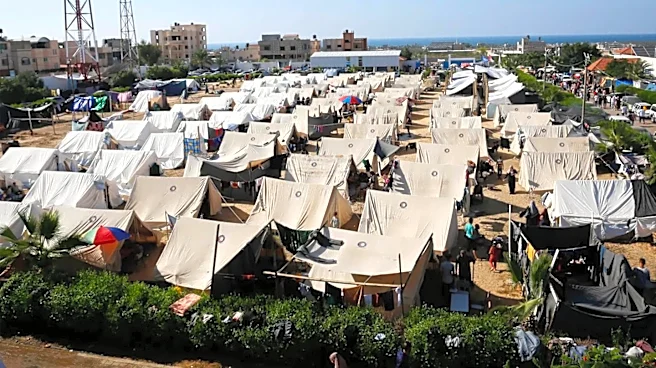
The UN Refugee Agency (UNHCR) and the International Organization for Migration (IOM) have issued a stark warning regarding a severe shelter crisis in Sudan. An estimated 15.4 million people urgently require
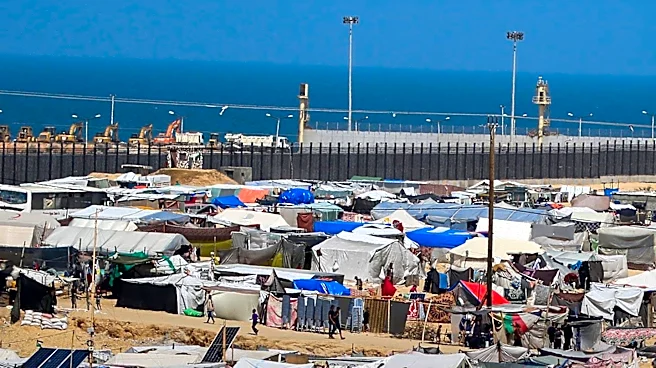
emergency shelter and essential household supplies due to the ongoing conflict between the army and the paramilitary Rapid Support Forces, which began in April 2023. Despite this immense need, humanitarian organizations currently possess sufficient resources to assist only 10 percent of those affected, translating to approximately 936,000 people receiving aid so far. Emergency shelter stocks are critically low, and without immediate and flexible funding, millions of displaced families will face harsh weather conditions, increased insecurity, and heightened risks of violence and exploitation. Sudan is currently experiencing the world's largest displacement crisis, with 8.6 million internally displaced people and over 4.6 million having fled to neighboring countries. The country's 2026 Humanitarian Needs and Response Plan, which requires $2.9 billion to assist 20.4 million people, has only received about 47 percent of the necessary funding.
Why It's Important?
This funding shortfall and the resulting shelter crisis in Sudan have profound humanitarian implications. Millions of vulnerable individuals, particularly women and children who constitute three-quarters of the internally displaced, are left without basic protection and dignity. The lack of adequate shelter exposes them to extreme weather, disease, and increased risks of violence and exploitation. The inability to provide essential aid, such as tents, solar lamps, and kitchen sets, strips families of their privacy, safety, and ability to cook for their children without undue risk. Furthermore, the crisis exacerbates the broader instability in the region; if aid cannot be provided at scale within Sudan, neighboring countries will face increased pressure from refugee flows. The underfunding of the humanitarian response plan not only fails to address immediate needs but also undermines long-term recovery efforts, as many returnees find their homes and essential services destroyed, forcing potential secondary displacements.
What's Next?
Without an immediate and substantial increase in international funding, the humanitarian situation in Sudan is expected to deteriorate further. The UNHCR and IOM have called for urgent, predictable, and flexible funding to replenish emergency shelter supplies and prevent a worsening of humanitarian conditions, especially as winter approaches. If funding remains insufficient, more displaced families will be left exposed to harsh weather, insecurity, and increased risks of violence and exploitation. The continued fighting, insecurity, and drone attacks are likely to drive further displacement and continue to restrict humanitarian operations, making it even more challenging to reach those in need. The international community's response in the coming weeks will be critical in determining the fate of millions of Sudanese civilians facing dire circumstances.
Beyond the Headlines
The crisis in Sudan extends beyond immediate shelter needs, highlighting systemic failures in international humanitarian funding and conflict resolution. The ongoing conflict, which has claimed tens of thousands of lives, has created a generation of displaced individuals whose futures are uncertain. The destruction of homes, infrastructure, and essential services means that even those who return to their areas of origin often find no viable means of rebuilding their lives, leading to a cycle of displacement and dependency. The situation also underscores the ethical imperative for global responsibility in protecting vulnerable populations caught in protracted conflicts. The lack of adequate response not only reflects a humanitarian crisis but also a potential long-term destabilization of the region, with broader implications for international security and migration patterns. The call for flexible funding also points to the need for more adaptive aid mechanisms that can respond effectively to dynamic conflict environments.