




What's Happening?
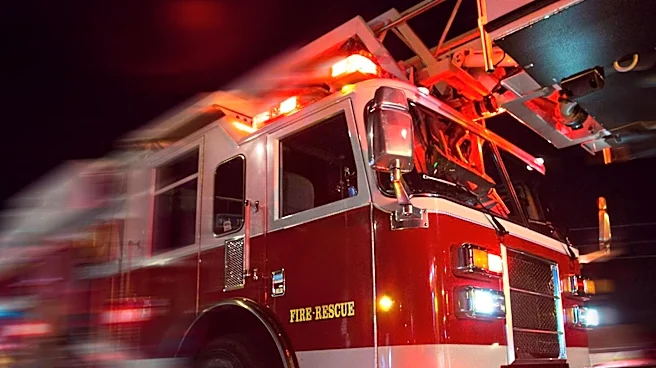
The Nashville Fire Department (NFD) evacuated 53 units from an apartment complex in Antioch, Nashville, after detecting dangerous levels of natural gas and carbon monoxide. The incident began early Saturday morning when a carbon monoxide alarm was triggered
at 215 Ben Hill Drive. Subsequent testing revealed high gas levels across multiple buildings. One building, containing 36 units, was fully evacuated, while residents in four additional townhome buildings largely self-evacuated. No injuries have been reported, and no residents required medical assessment. Fire officials, after consulting a geologist, believe the gas leak is natural gas originating from a methane pocket disturbed by recent digging or blasting at a nearby construction site. The gas is odorless, indicating it is not a commercial gas leak. The gas company Spire has responded to the scene, and while gas levels have slightly decreased, they are holding steady and not dissipating rapidly. The NFD has transferred responsibility for securing Building H to property management, and the building is not expected to be cleared for occupancy on Saturday.
Why It's Important?
This incident highlights significant public safety concerns related to construction activities in residential areas and the potential for unforeseen environmental hazards. The evacuation of dozens of units underscores the immediate disruption and potential danger posed by gas leaks, even those not originating from commercial lines. The fact that the gas is odorless natural gas makes early detection by residents difficult, increasing reliance on alarms and emergency services. The inability to reach property management initially also points to potential communication and emergency response coordination challenges in such situations. For residents, the need to find alternative housing for an extended period, possibly up to three days, represents a considerable burden and financial strain. This event could prompt a review of safety protocols for construction projects near residential areas, particularly concerning geological surveys and gas monitoring, to prevent similar occurrences and ensure resident safety.
What's Next?
The Nashville Fire Department is coordinating with construction crews to develop a safe plan for resuming work, which will include digging a trench to ventilate the gas. However, the timeline for this ventilation and its effectiveness in reducing gas levels remain uncertain. Fire officials estimate it could take up to three days to clear the gas, meaning affected residents will likely need to secure alternative housing for the weekend. The apartment building, specifically Building H, remains unsafe for occupancy and will not be cleared on Saturday. The NFD has transferred responsibility for securing this building to property management. Further updates are expected regarding the progress of gas dissipation and when residents might be able to return to their homes. The incident may also lead to investigations into the construction practices at the nearby site and the responsiveness of property management during the emergency.
Beyond the Headlines
The incident raises broader questions about urban development and its environmental impact, particularly in areas with natural gas pockets. The disturbance of a methane pocket by construction activities suggests a need for more rigorous geological assessments and environmental impact studies before commencing projects in densely populated areas. The odorless nature of the gas also brings to light the limitations of human senses in detecting certain hazards, emphasizing the critical role of technology like carbon monoxide alarms. Furthermore, the challenges in contacting property management during an emergency highlight potential gaps in crisis communication protocols between emergency services, property owners, and residents. This event could serve as a case study for improving emergency preparedness, inter-agency coordination, and resident communication strategies in the face of unexpected environmental hazards in urban settings.