


What's Happening?
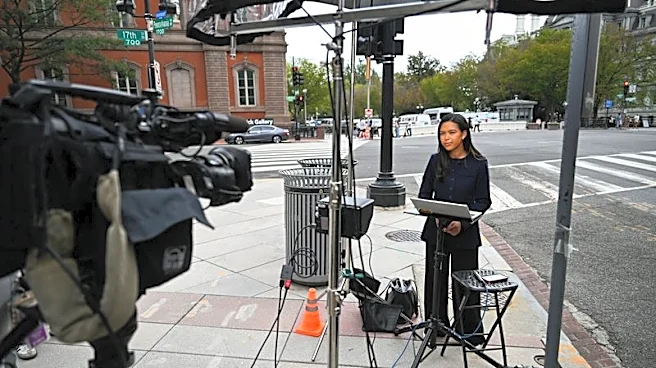
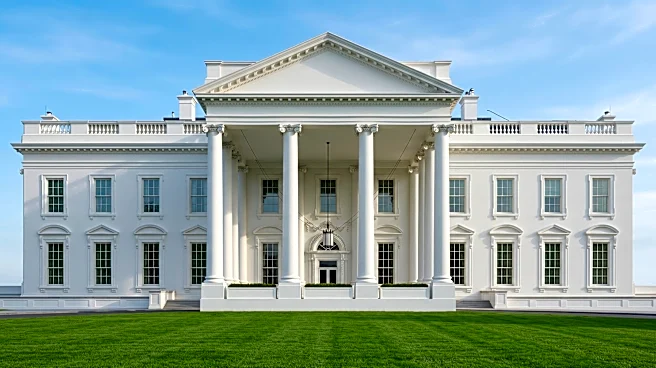
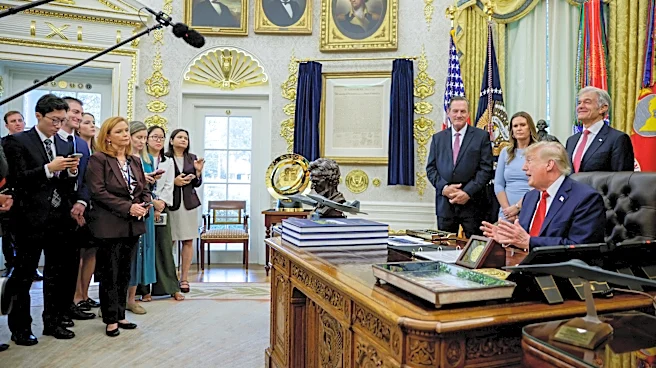
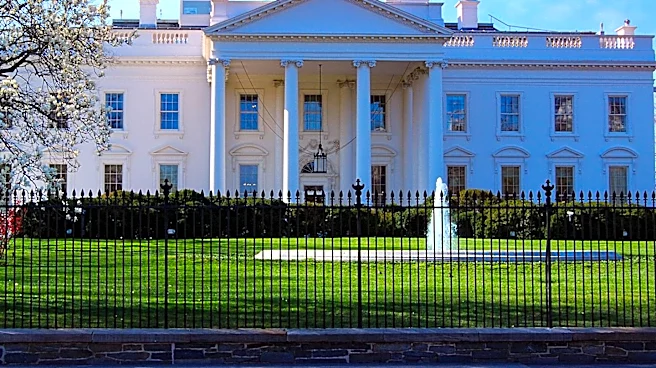
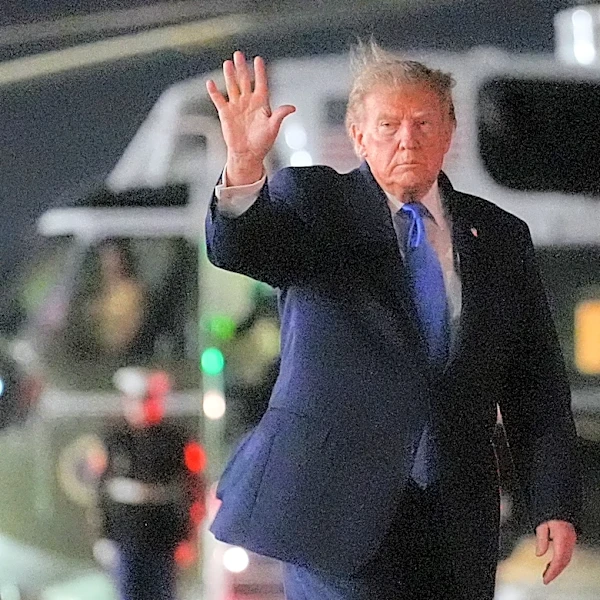
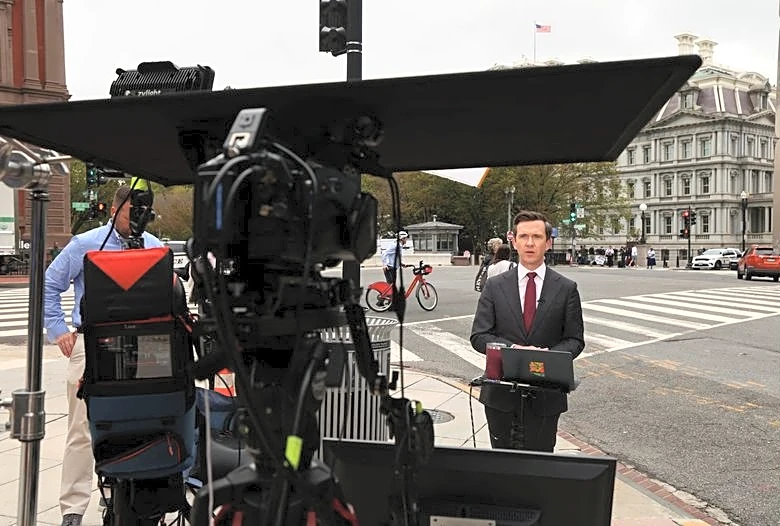
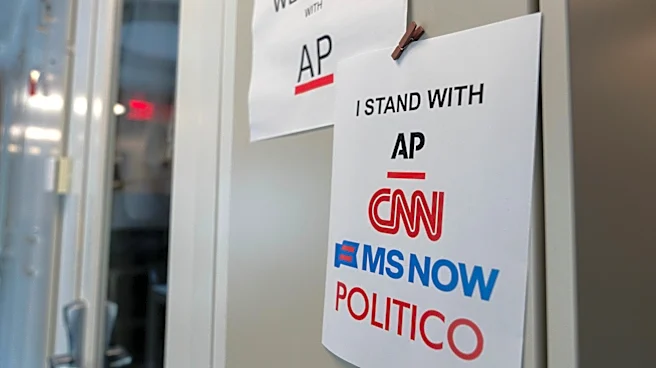
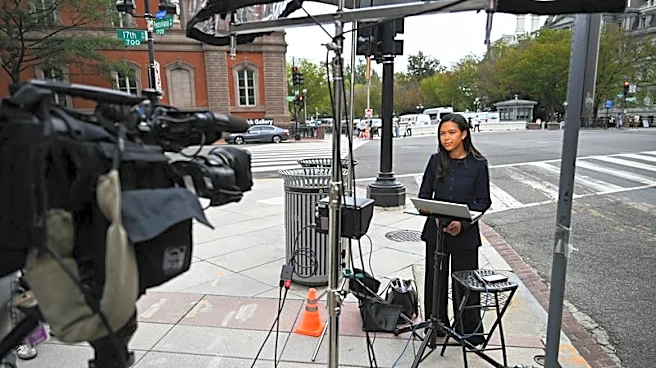
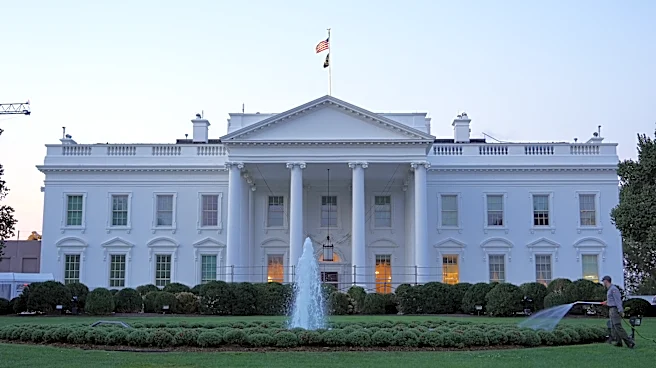
The Justice Department, on behalf of the Trump administration, has asserted that CNN, MS NOW, and Politico can be barred from certain areas of the White House. This defense comes in response to a lawsuit filed by the news organizations challenging the ban.
The Justice Department argues that the outlets' coverage of the Iran war and President Trump's ballroom construction project could pose a national security risk, thereby justifying the restriction of their access. The administration's court filing states that 'access to the White House is a privilege, not a right,' despite First Amendment protections for press freedom. Letters sent to the three outlets, dated Tuesday, cited specific stories, including CNN's reporting on a 'top secret' bunker beneath the East Wing ballroom and various reports on the Iran war, claiming these incidents 'threatened national security and/or spread falsehoods.' The outlets have until Friday to submit written objections to the bans.
Why It's Important?
This situation represents a critical test of First Amendment protections and the role of a free press in a democratic society. The Trump administration's argument that certain reporting constitutes a national security risk, justifying a ban from White House access, raises significant concerns about censorship and the government's ability to control information. Legal experts suggest that such a ban, based on the content or viewpoint of news coverage, likely violates U.S. legal prohibitions against viewpoint discrimination. The case will determine the extent to which a president can restrict media access based on perceived unfavorable coverage, potentially setting a precedent for future administrations. The ongoing legal battle highlights the tension between the executive branch's desire to manage its image and the press's constitutional right to report freely, impacting the public's access to diverse information about government activities.
What's Next?
An emergency hearing is scheduled before federal judge Timothy Kelly in Washington, D.C., where CNN, MS NOW, and Politico are seeking an immediate restoration of their White House access. The Justice Department has provided letters to the outlets, detailing the reasons for the ban and allowing them until Friday to submit written objections. The outcome of this hearing could lead to a temporary restraining order, compelling the White House to reinstate the media outlets' access, or it could uphold the administration's right to restrict access. Regardless of the immediate judicial decision, the case is likely to continue through the courts, potentially reaching higher appellate levels. The broader implications include ongoing debates about press credentials, the definition of national security risks in media reporting, and the balance between presidential authority and press freedom.
Beyond the Headlines
The dispute over White House press access delves into deeper implications concerning the erosion of trust between the government and the media, and the potential for a chilling effect on investigative journalism. By labeling critical reporting as a national security threat or 'fake news,' the administration risks undermining the credibility of legitimate news organizations and fostering an environment where transparency is diminished. This approach could lead to a more polarized media landscape, where access is granted based on perceived loyalty rather than journalistic merit. The legal challenge also highlights the evolving nature of press freedom in the digital age, where the rapid dissemination of information can be both a tool for transparency and a source of contention. The resolution of this case will not only impact the immediate parties but also shape the future relationship between the U.S. presidency and the press, influencing how information is controlled and consumed by the public.