





What's Happening?
The Federal Energy Regulatory Commission (FERC) has proposed two new measures that could significantly accelerate the approval process for methane gas projects, specifically liquefied natural gas (LNG) facilities, while simultaneously weakening environmental
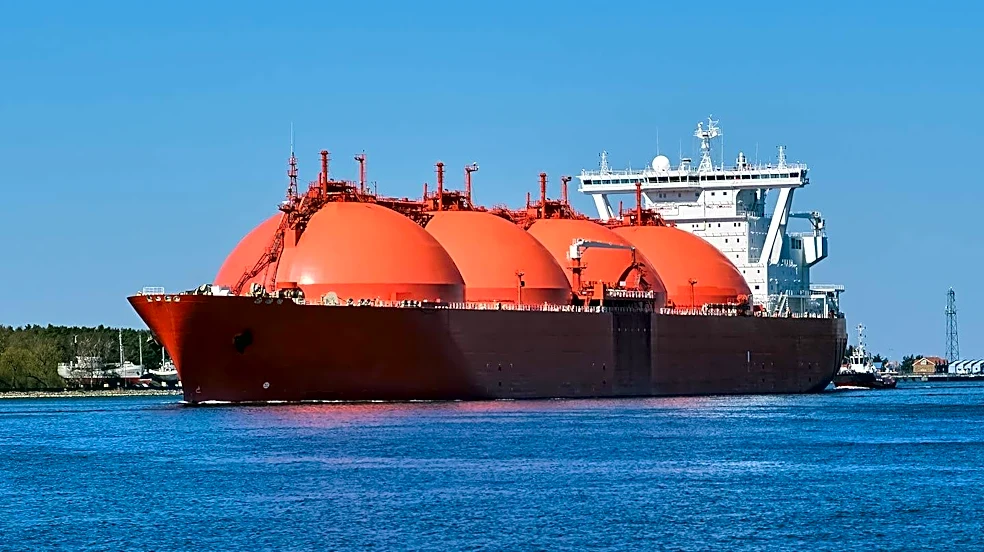
oversight. At its recent monthly meeting, FERC initiated a rulemaking to establish a blanket certificate program for LNG facilities. This program would allow projects meeting certain minimal criteria to receive automatic or expedited approval, potentially bypassing full environmental reviews and other appropriate oversight. Concurrently, FERC announced a draft policy statement suggesting it will no longer require developers of methane gas projects to submit air dispersion modeling. This modeling is considered crucial for understanding the local and regional air quality impacts of proposed projects, as mandated by the National Environmental Policy Act (NEPA). The Sierra Club, a prominent environmental organization, has voiced strong opposition to these proposals, with Associate Legislative & Advocacy Director of Beyond Dirty Fuels Claire Dorner stating that it is "unconscionable" to fast-track harmful LNG development and reduce requirements for understanding air quality impacts.
Why It's Important?
These proposed FERC measures carry significant implications for environmental protection, public health, and energy policy in the U.S. By potentially streamlining the approval of LNG projects and reducing air quality review requirements, FERC could facilitate a rapid expansion of fossil fuel infrastructure. This move is seen by environmental groups as a step backward in efforts to combat climate change and protect local communities from pollution. The Sierra Club highlights that direct air pollution from existing LNG terminals in the U.S. already incurs nearly $1 billion in health costs annually and contributes to premature deaths. Weakening these guardrails could exacerbate these health impacts, particularly in communities located near these facilities. Furthermore, critics argue that such policies could lead to higher energy prices, increased harm to local ecosystems, and a worsening of the climate crisis by promoting continued reliance on methane gas. The proposals suggest a shift in regulatory priorities that could favor fossil fuel companies over environmental and public health concerns, potentially undermining the intent of NEPA.
What's Next?
The proposals are currently in a rulemaking phase, meaning there will likely be a period for public comment and stakeholder input before any final decisions are made. Environmental organizations like the Sierra Club are expected to continue their advocacy efforts, including public education, lobbying, and potential legal action, to challenge these measures. They will likely mobilize their members and supporters to submit comments during the public review period, emphasizing the potential negative impacts on air quality, public health, and climate goals. Industry stakeholders, particularly fossil fuel companies, will likely support these measures, arguing for reduced regulatory burdens to accelerate energy project development. The outcome of this rulemaking process will determine the future regulatory landscape for LNG and methane gas projects, influencing the pace of fossil fuel infrastructure expansion and the level of environmental scrutiny applied to such developments in the U.S.
Beyond the Headlines
The FERC's proposed changes reflect a broader tension between energy development and environmental protection in the U.S. The debate over LNG projects and their environmental review highlights the ongoing struggle to balance economic interests, energy security, and climate commitments. By potentially reducing the rigor of environmental impact assessments, FERC's actions could set a precedent that weakens regulatory oversight across other sectors. This move also raises questions about the role of federal agencies in addressing climate change and their interpretation of mandates like NEPA. The emphasis on "blanket authorization" suggests a move towards a more permissive regulatory environment for certain energy projects, which could have long-term consequences for environmental governance and the ability of communities to challenge projects that affect their health and local environment. The controversy underscores the deep divisions in U.S. energy policy and the persistent challenges in transitioning to a cleaner energy future.