






What's Happening?
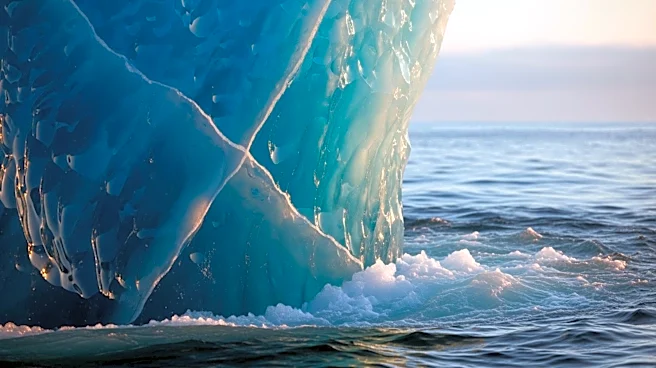
A recent study led by the University of Cambridge, in collaboration with the University of California, has identified a significant shift in ocean heat towards Antarctica, posing a threat to its ice shelves. The research, based on decades of ocean data,
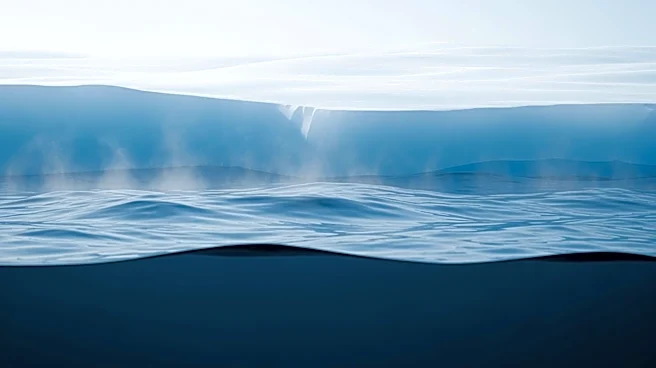
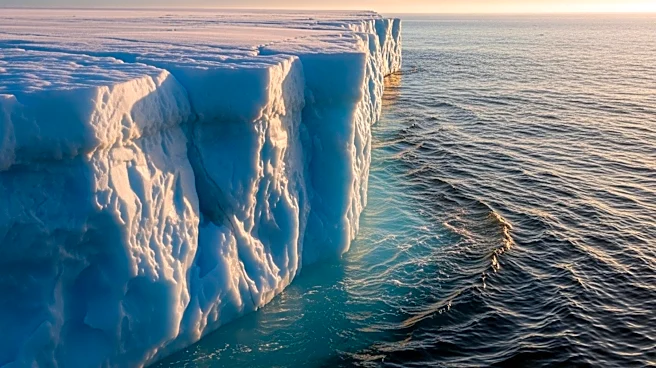
shows that a body of warm water, known as 'circumpolar deep water', has been moving closer to the Antarctic continental shelf over the past two decades. This movement is concerning as it can lead to the melting of ice shelves from below, destabilizing them. Ice shelves are crucial as they act as barriers, holding back inland glaciers and ice sheets, which contain enough water to raise global sea levels by approximately 58 meters. The study utilized a combination of ship-based surveys and data from Argo floats, autonomous instruments that measure ocean conditions, to create a detailed record of ocean changes over the past 40 years.
Why It's Important?
The findings of this study are significant as they provide the first direct evidence of deep-ocean heat shifting across the Southern Ocean, a phenomenon previously predicted by climate models due to global warming. The implications of this shift extend beyond the immediate threat to Antarctica's ice shelves. The Southern Ocean plays a critical role in regulating global heat and carbon storage, meaning changes in heat distribution here could have broader impacts on the global climate system. The study highlights the potential weakening of the Atlantic Meridional Overturning Circulation (AMOC), a key component of global ocean currents, due to changes in water formation around Antarctica. This could affect how carbon, nutrients, and heat are cycled through the global ocean, with far-reaching consequences for climate regulation.
What's Next?
The study suggests that the observed changes in ocean heat distribution are already underway, not just theoretical predictions. This ongoing shift could lead to further destabilization of Antarctica's ice shelves, contributing to rising sea levels. The research underscores the need for continued monitoring and analysis of ocean conditions to better understand and predict the impacts of climate change. Policymakers and scientists may need to consider these findings in future climate models and strategies to mitigate the effects of global warming.
Beyond the Headlines
The study's findings raise ethical and environmental concerns about the long-term impacts of climate change on vulnerable regions like Antarctica. The potential destabilization of ice shelves and subsequent sea-level rise could have devastating effects on coastal communities worldwide. Additionally, the changes in ocean currents and heat distribution could disrupt marine ecosystems, affecting biodiversity and fisheries. These developments highlight the urgent need for global cooperation in addressing climate change and protecting the planet's fragile environments.