







What's Happening?
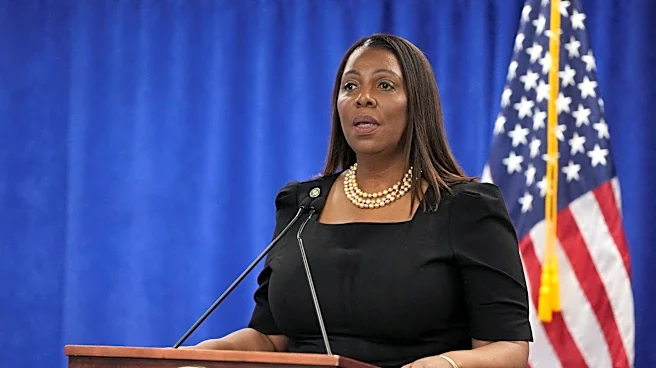
On September 28, Representative Yvette Clarke, a member of the House of Representatives representing New York, announced that she, along with eight other U.S. lawmakers, sent a letter to Revlon. The letter seeks answers from the cosmetics company following
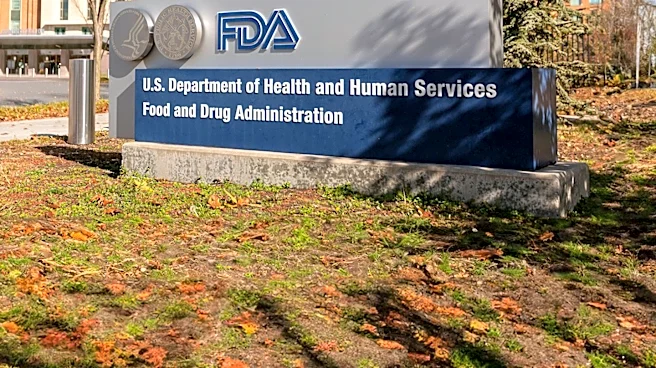
a warning letter issued by the Food and Drug Administration (FDA) on June 2. The FDA's warning letter specifically addressed issues at Revlon's Oxford facility concerning over-the-counter (OTC) drug manufacturing. The FDA identified gaps in the reliability verification of supplier talc testing and in certain specifications. This congressional scrutiny is a new development, distinct from any new regulations, completed recalls, or definitive proof of product contamination. The core issue revolves around the reliability of supplier results and the company's quality control processes for ingredients used in OTC drug products.
Why It's Important?
This action by Representative Clarke and other lawmakers highlights the increasing scrutiny on product safety and manufacturing standards within the cosmetics and OTC drug industries. The FDA's initial warning letter to Revlon, and now the congressional inquiry, underscores the importance of robust quality control and supplier verification processes for companies operating in these sectors. For consumers, this raises awareness about the ingredients in products they use and the regulatory oversight intended to ensure their safety. For the industry, it signals a potential for heightened regulatory enforcement and legislative interest in manufacturing practices, particularly concerning ingredient sourcing and testing. Companies may face increased pressure to demonstrate the reliability of their supply chains and the accuracy of their product specifications, potentially leading to higher compliance costs and more stringent internal protocols. The focus on talc testing specifically could also reignite broader discussions about the safety of talc in consumer products.
What's Next?
Following the letter from Representative Clarke and the other lawmakers, Revlon is expected to respond to the congressional inquiry, providing details and explanations regarding the issues raised in the FDA's warning letter. The nature of Revlon's response will likely determine the next steps, which could include further congressional hearings, additional investigations by regulatory bodies, or internal changes within Revlon's manufacturing and quality control departments. The lawmakers may push for more transparent reporting on ingredient sourcing and testing protocols across the industry. Depending on the findings, there could be calls for new legislation or stricter enforcement of existing regulations related to cosmetic and OTC drug manufacturing. The situation could also prompt other companies in the sector to proactively review their own supplier verification and quality control procedures to avoid similar scrutiny.
Beyond the Headlines
The congressional inquiry into Revlon's manufacturing practices extends beyond immediate regulatory compliance, touching upon broader ethical and consumer trust issues. The reliability of supplier analyses, particularly for ingredients like talc, has been a contentious topic in the past, with concerns about potential contaminants. This event could trigger a re-evaluation of how companies communicate product safety and ingredient transparency to the public. It also highlights the distinction between ordinary cosmetic requirements and OTC obligations, emphasizing the higher standards expected for products with therapeutic claims. The long-term implications could include a shift towards more rigorous, independently verifiable testing of raw materials throughout the supply chain, potentially leading to industry-wide best practices that prioritize consumer safety over cost efficiencies. This could also influence consumer purchasing decisions, with a greater demand for products from companies that demonstrate clear and verifiable safety protocols.