





What's Happening?
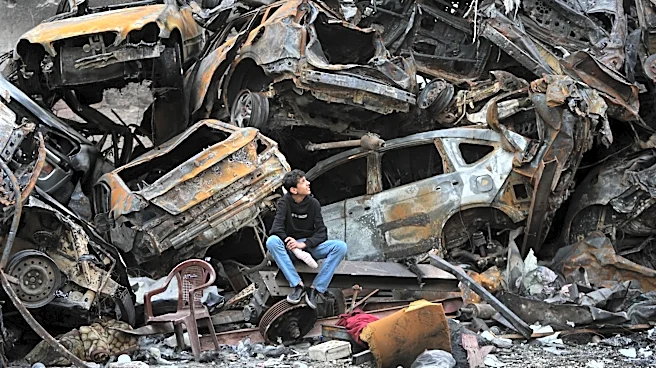
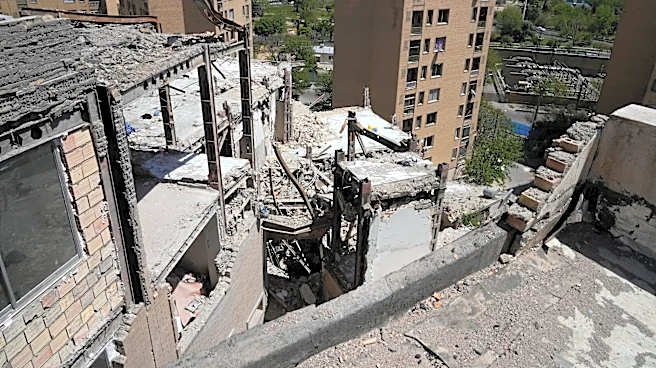
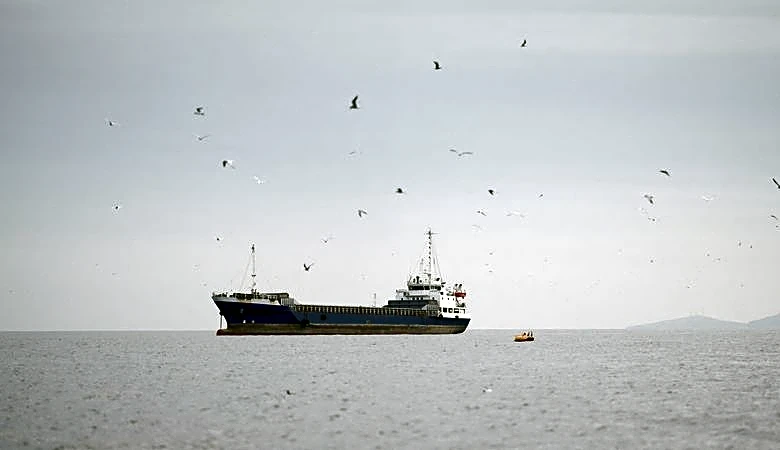
Amid ongoing hostilities in the Middle East, President Trump has threatened to blockade vessels transiting through Iranian ports in the Strait of Hormuz. This action has led to a significant increase in oil prices, which have surged past $100 per barrel.
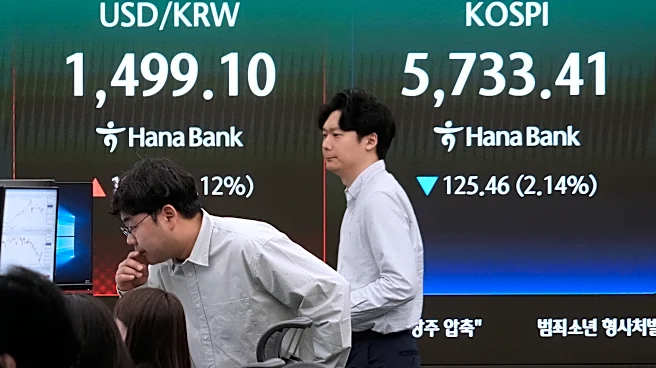
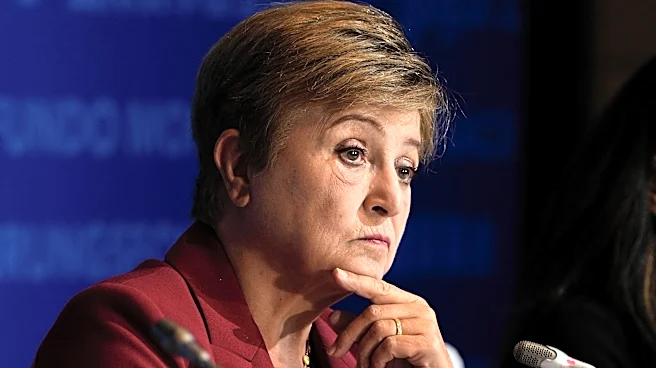
The conflict has severely disrupted global oil production, affecting nearly one-fifth of the world's oil supply and 20% of liquefied natural gas trade. The Organization for Economic Co-operation and Development (OECD) projects global GDP growth at 2.9% for 2026, but the conflict's impact on energy prices could alter this outlook. Energy exporters are benefiting from improved trade terms, while importers face economic strain. The European Central Bank (ECB) has also adjusted its projections, anticipating negative growth in the euro area if oil prices continue to rise.
Why It's Important?
The escalation in the Middle East poses a significant threat to global economic stability. The surge in energy prices is a classic shock that could lead to stagflation, characterized by high inflation and low growth. Importing countries, including those in Europe and Asia, are particularly vulnerable as they face increased costs and reduced real incomes. The situation complicates monetary policy, as central banks must balance controlling inflation with supporting economic growth. The potential for prolonged conflict could lead to even higher oil prices, exacerbating economic challenges worldwide. The U.S. economy, while currently experiencing a slight growth revision, could also face inflationary pressures, impacting consumers and businesses.
What's Next?
If the conflict persists, oil prices could reach $120 per barrel in the coming months, with the potential to exceed $200 if hostilities continue for six months. This would further strain global reserves and increase supply risks. Policymakers face difficult decisions, as raising interest rates to curb inflation could slow growth, while cutting rates might fuel further price increases. Governments may need to provide targeted support to vulnerable populations, but broad subsidies could sustain high energy demand. The resilience of the global economy is being tested, and without a resolution, the economic outlook remains uncertain.