
What's Happening?
A significant heat wave is set to impact approximately 150 million Americans, with temperatures expected to reach the 90s or higher through early next week. The Northeast and Mid-Atlantic regions will
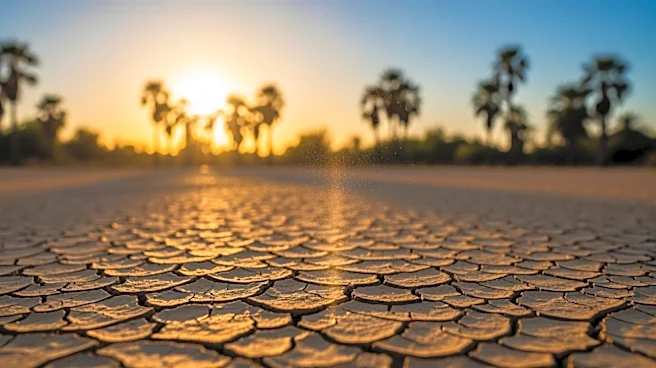
experience the first surge, with cities like Washington, DC, and New York City seeing temperatures in the upper 80s and 90s. This heat wave could potentially break daily temperature records at several airports, including Dulles International and JFK International. A temporary cold front may provide brief relief along the East Coast, but a more extensive heat wave is anticipated to follow, possibly linked to a developing heat dome stretching from the Plains to the Atlantic. The Intermountain West and Plains will face intense heat exacerbated by drought conditions, while the central US may experience strong thunderstorms due to the hot, humid air. Nighttime temperatures are also unusually high, with places like Brownsville, Texas, and Key West, Florida, nearing record-warm lows.
Why It's Important?
The impending heat wave poses significant challenges for public health, infrastructure, and energy consumption across the affected regions. High temperatures can lead to increased heat-related illnesses and fatalities, particularly among vulnerable populations such as the elderly and those without access to air conditioning. The strain on energy grids may result in power outages, as demand for electricity spikes due to air conditioning use. Additionally, the agricultural sector could suffer from the heat and drought conditions, impacting crop yields and food supply. The heat wave also underscores the broader trend of rising global temperatures, contributing to concerns about climate change and its long-term effects on weather patterns and ecosystems.
What's Next?
As the heat wave progresses, local governments and emergency services are likely to issue heat advisories and implement measures to protect public health, such as opening cooling centers and distributing water. Energy providers may need to manage increased demand and potential power outages. Meteorologists will continue to monitor the development of the heat dome and its potential impacts on weather patterns across the country. The situation may prompt further discussions on climate resilience and the need for infrastructure improvements to withstand extreme weather events.