




What's Happening?
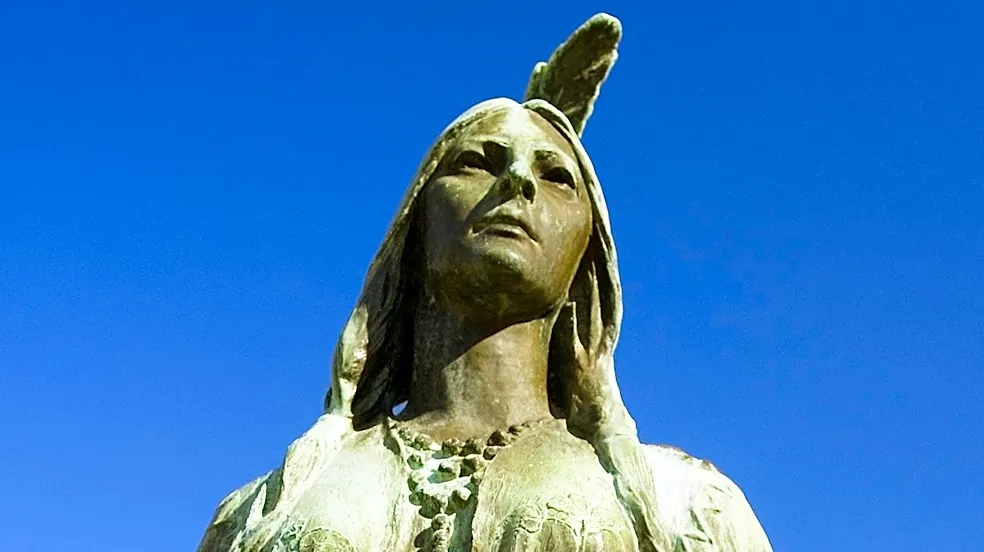
A 1616 portrait of Pocahontas, the only one known from her lifetime, offers insights into how English colonizers viewed Indigenous Americans. Unlike the romanticized Disney portrayal, this engraving by Simon van de Passe depicts Pocahontas, also known as Rebecca
Rolfe, in English attire, including a stovepipe hat, lace collar, and embroidered dress. She is shown holding either a feather fan or a quill pen, objects that symbolized civilization and literacy to Europeans. This image was part of a broader English effort to suggest that Indigenous Americans could adopt English culture and Christianity. Her marriage to John Rolfe and conversion to Anglicanism were celebrated by the English as proof of this cultural conversion model.
Why It's Important?
This historical portrait is important because it challenges modern perceptions of Pocahontas and highlights the colonial mindset of the 17th century. The English depiction of Pocahontas in European garb was a deliberate act of propaganda, aimed at convincing potential migrants and investors that Native peoples could be assimilated into English society and that profitable economies could be established in North America. This narrative was crucial for justifying colonization and attracting support for settlements like Jamestown. The contrast between this portrait and the later reality of the Anglo-Powhatan War, where the Powhatans rebelled against the colonists, underscores the profound misunderstanding and misrepresentation inherent in the colonial project. It reveals how art and imagery were used as tools to shape public opinion and advance political agendas during a critical period of American history.
What's Next?
The historical context surrounding Pocahontas's portrait continues to be re-evaluated by scholars, moving beyond popular culture narratives to understand the complex realities of early colonial encounters. Future discussions will likely delve deeper into the agency of Indigenous figures like Pocahontas within these colonial frameworks and the lasting impact of such representations on Indigenous identity and historical memory. The ongoing analysis of primary sources, including this portrait, will contribute to a more nuanced understanding of the power dynamics and cultural clashes that defined the early years of European settlement in North America. This critical examination helps to deconstruct colonial narratives and provide a more accurate historical perspective.
Beyond the Headlines
The story of Pocahontas, as told through this 1616 portrait, extends beyond a simple historical account to touch upon broader themes of cultural assimilation, identity, and the power of representation. The English attempt to portray Pocahontas as a converted, 'civilized' Indigenous woman reflects a common colonial strategy to justify their presence and actions. This historical precedent of misrepresentation and the imposition of foreign cultural norms has had long-lasting effects on Indigenous communities and their struggle for self-determination. The portrait serves as a powerful reminder of how dominant cultures can use imagery to shape narratives, often at the expense of the true experiences and identities of marginalized groups. Understanding this historical context is crucial for addressing contemporary issues related to cultural appropriation and the ongoing efforts to reclaim Indigenous histories.