
What's Happening?
Desa Kaiser, an 11-year-old from Pennsylvania, has found a way to continue her passion for dance despite being paralyzed from the waist down due to a car accident. With the help of a specially modified
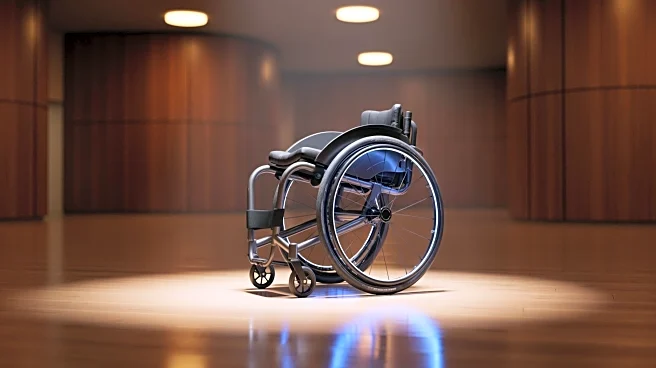
'dancing wheelchair,' Kaiser can perform dance moves similar to those she enjoyed in ballet, jazz, and funk classes before her injury. The wheelchair allows her to spin and lean back, providing a sense of freedom and expression. Kaiser, who is undergoing physical therapy at Shriners Children’s Hospital, expressed her excitement about being able to dance again, highlighting the uniqueness and freedom the chair provides. Her physical therapist, Maggie Reilly, emphasized the hospital's commitment to helping children achieve their goals, regardless of their physical limitations.
Why It's Important?
This development is significant as it highlights the potential of adaptive technology to enhance the quality of life for individuals with disabilities. The 'dancing wheelchair' not only allows Kaiser to pursue her passion but also serves as an inspiring example of how innovation can break down barriers for people with physical challenges. This story underscores the importance of inclusive design in technology, which can empower individuals to participate fully in activities they love. It also brings attention to the role of rehabilitation centers like Shriners Children’s Hospital in supporting the physical and emotional well-being of young patients, helping them regain confidence and independence.
What's Next?
As Kaiser continues her physical therapy, there may be further developments in adaptive technologies that could enhance her dancing experience. The success of the 'dancing wheelchair' could inspire similar innovations for other activities, potentially leading to broader applications in sports and recreation for individuals with disabilities. Additionally, this story may encourage more investment in research and development of adaptive devices, fostering a more inclusive society where people of all abilities can pursue their passions.
Beyond the Headlines
The story of Desa Kaiser and her 'dancing wheelchair' also touches on broader cultural and ethical considerations regarding inclusivity and representation. It challenges societal perceptions of disability, showcasing how individuals can redefine their identities and capabilities through technology. This narrative may contribute to a shift in how disabilities are viewed, promoting a more inclusive and accepting culture that values diversity and innovation.