








What's Happening?
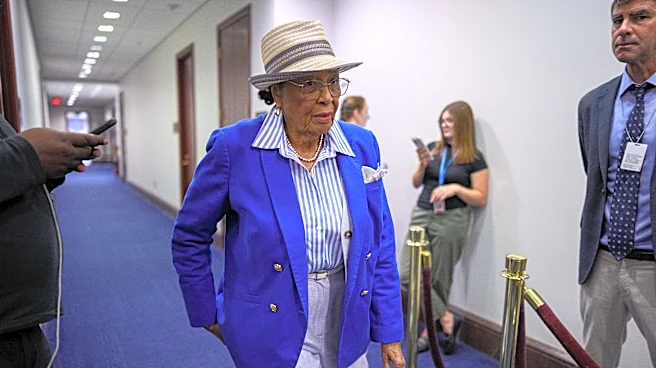
Congresswoman Mary Miller (IL-15) has announced $4.5 million in federal funding designated for the expansion of EJ Water Cooperative’s Delbert Mundt Water Treatment Plant. This investment aims to double the plant's treatment capacity, thereby enhancing
access to reliable water services for families, farmers, and businesses across seven Central Illinois counties: Shelby, Effingham, Montgomery, Fayette, Cumberland, Christian, and Clay. The Delbert Mundt Water Treatment Plant, established in 2010 near Beecher City, serves EJ Water’s rapidly growing western service area. EJ Water Cooperative, founded in 1989, is recognized as Illinois' largest rural water cooperative, providing services to over 48,000 rural residents. The cooperative has been actively expanding its infrastructure to meet increasing demand, including the construction of a 250-million-gallon reservoir in 2023. Additionally, EJ Water collaborates with smaller municipalities to address aging or inadequate water treatment facilities, ensuring dependable and affordable water service in underserved communities throughout Central Illinois.
Why It's Important?
This federal funding is crucial for the economic stability and public health of rural communities in Central Illinois. By doubling the treatment capacity of the Delbert Mundt Water Treatment Plant, the investment directly addresses the growing demand for water, which is essential for agricultural operations, small businesses, and residential use. Reliable water infrastructure is a foundational element for economic development, as it supports industrial activities, ensures public health through safe drinking water, and prevents potential crises related to water scarcity or contamination. For farmers, consistent water access is vital for irrigation and livestock, directly impacting agricultural output and food security. Small businesses in these counties will benefit from a stable utility, reducing operational risks and potentially attracting new investments. The expansion also signifies a commitment to modernizing essential services in rural areas, which often face challenges in securing adequate funding for infrastructure projects compared to urban centers. This initiative helps bridge that gap, fostering resilience and growth in the region.
What's Next?
The $4.5 million federal funding will be allocated to the EJ Water Cooperative to proceed with the expansion of the Delbert Mundt Water Treatment Plant. The project will focus on increasing the plant's treatment capacity to meet current and future demands across the seven beneficiary counties. This expansion is expected to strengthen the water infrastructure, ensuring long-term reliable water service for residents, agricultural operations, and businesses. EJ Water Cooperative will continue its efforts to collaborate with smaller municipalities, providing support for communities with aging or insufficient water treatment facilities. The successful implementation of this project could serve as a model for other rural areas in Illinois and beyond, highlighting the importance of federal investment in critical infrastructure to support rural development and sustainability.
Beyond the Headlines
The investment in rural water infrastructure extends beyond immediate service improvements, touching upon broader themes of equitable resource distribution and regional development. Historically, rural areas have often lagged behind urban centers in infrastructure development, leading to disparities in access to essential services. This funding helps to mitigate such disparities, promoting a more balanced regional growth strategy. Furthermore, the strengthening of water infrastructure has significant environmental implications, as improved treatment capacity can lead to better water quality and reduced environmental impact. It also underscores the role of cooperative models, like EJ Water Cooperative, in delivering essential services efficiently to dispersed populations. The long-term success of such projects can enhance community resilience against climate change impacts, such as droughts or increased demand due to population shifts, by ensuring a robust and adaptable water supply system.