








What's Happening?
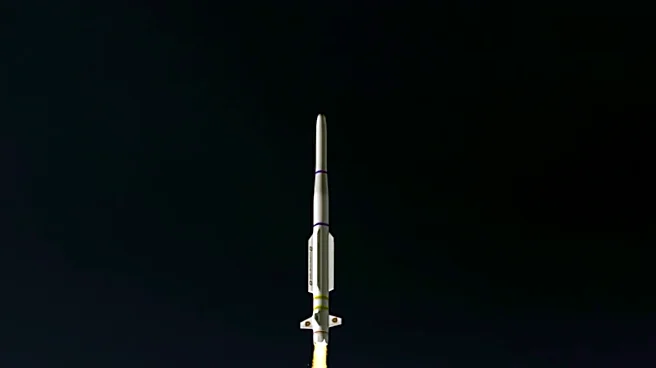
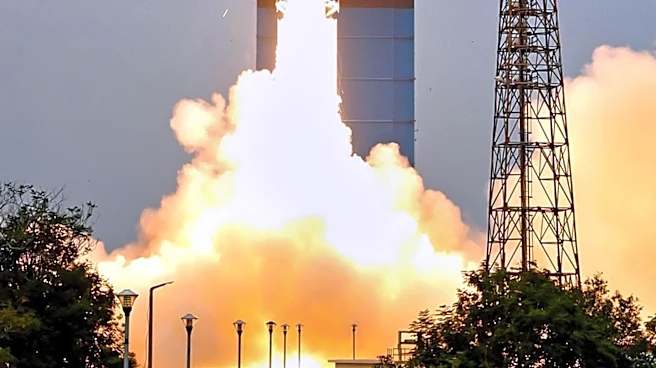
India has marked a significant milestone in its space exploration journey with the successful launch of Vikram-1, the country's first privately developed orbital launch vehicle. The mission, named Mission Aagaman, signifies the entry of India's private sector
into the global space launch market, previously dominated by U.S. and Chinese companies. Developed by Skyroot Aerospace, Vikram-1 showcases advanced technology and is designed to place small satellites into Low Earth Orbit. This achievement reflects the growing role of private companies in India's space sector, supported by recent policy reforms.
Why It's Important?
The successful launch of Vikram-1 represents a major step forward for India's space industry, highlighting the potential for private sector growth and innovation. It positions India as a competitive player in the global commercial launch market, offering cost-effective and reliable launch services. This development is expected to attract further investment in the Indian space sector, creating high-skilled jobs and fostering technological advancements. The collaboration between public and private entities in space exploration could lead to significant economic and strategic benefits for India.
What's Next?
Following the success of Vikram-1, India is likely to see increased private investment in space technology and infrastructure. The government may continue to support and incentivize private sector participation in space exploration. As the demand for satellite launches grows, Indian companies could expand their capabilities and capture a larger share of the global market. This could lead to further advancements in space technology and strengthen India's position as a leader in the space industry.