






What's Happening?
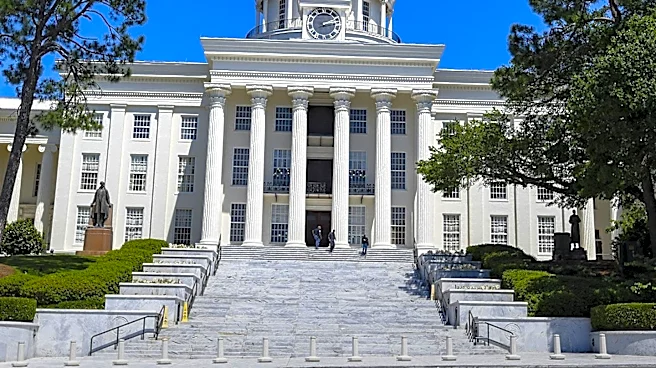
Alabama Governor Kay Ivey has established a 30-hour execution window for death row inmate Michael Shannon Taylor. The window is set to begin at 12:00 a.m. on Thursday, November 5, 2026, and conclude at 6:00 a.m. on Friday, November 6, 2026. Taylor was
sentenced to death for the 1991 capital murders of Ivan and Lucille Moore. The Alabama Supreme Court granted the state's request in June to authorize the Alabama Department of Corrections to carry out Taylor's death sentence and directed Governor Ivey to set the timeframe. According to a letter dated August 31, Governor Ivey stated that she currently has no plans to grant clemency but retains the constitutional authority to issue a reprieve or commutation before the execution is carried out. Taylor, 54, is scheduled to be executed by lethal injection.
Why It's Important?
This action by Governor Ivey underscores the ongoing implementation of capital punishment in Alabama and highlights the legal processes involved in death penalty cases. The setting of an execution window, rather than a precise date, provides the Alabama Department of Corrections with a specific timeframe to carry out the sentence, reflecting standard protocol in such cases. The Governor's statement regarding clemency is significant, as it clarifies her current stance while preserving her constitutional power to intervene. This decision is part of a broader pattern in Alabama, which has seen multiple execution schedules set this year, with some being carried out and others commuted or challenged. The case also brings attention to the long legal timelines often associated with capital murder convictions, as Taylor's crime occurred in 1991.
What's Next?
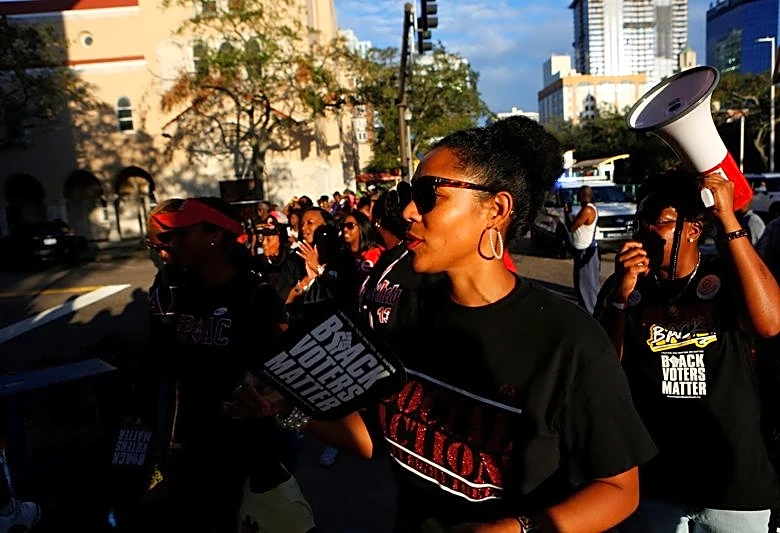
The execution of Michael Shannon Taylor is scheduled to proceed by lethal injection within the 30-hour window beginning November 5, 2026. While Governor Ivey has stated she has no current plans for clemency, she retains the authority to issue a reprieve or commutation at any point before the execution. This leaves open a narrow possibility for last-minute legal challenges or executive intervention. Taylor's legal team may pursue further appeals or petitions, though the Alabama Supreme Court has already authorized the death sentence. The Alabama Department of Corrections will prepare for the execution, adhering to established protocols for lethal injection. This event will likely draw attention from death penalty opponents and advocates, potentially leading to protests or public discourse surrounding capital punishment in the state.
Beyond the Headlines
The scheduling of Michael Taylor's execution highlights the complex and often contentious nature of capital punishment in the United States. Beyond the immediate legal and procedural aspects, this case touches upon profound ethical and moral debates surrounding the state's right to take a life, the concept of justice for victims, and the potential for error in the judicial system. The long duration between the crime (1991) and the scheduled execution (2026) also raises questions about the efficiency and human impact of prolonged death row sentences. Furthermore, Governor Ivey's explicit mention of her clemency authority, despite her current stance, underscores the significant power vested in state governors in capital cases, allowing for a final review that can sometimes alter the course of justice based on new evidence, mitigating circumstances, or evolving societal standards.