



What's Happening?
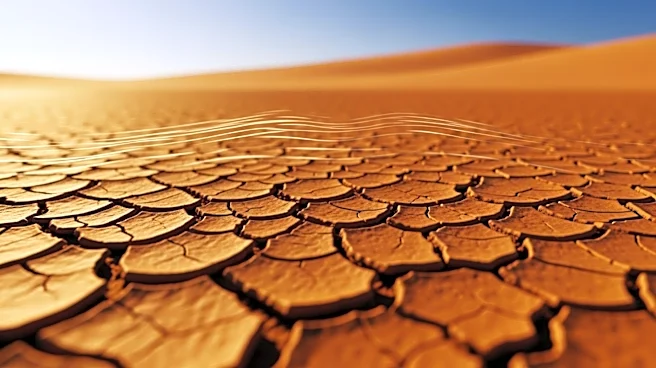
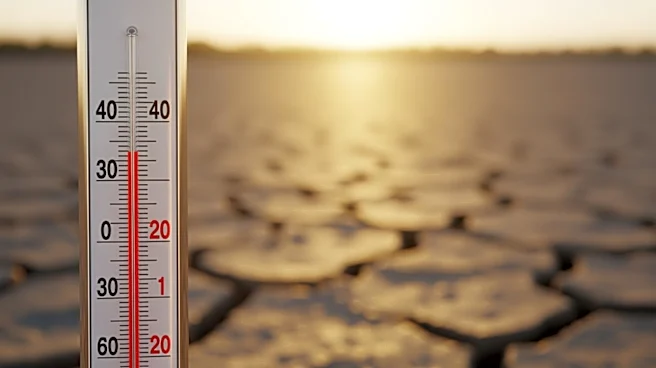
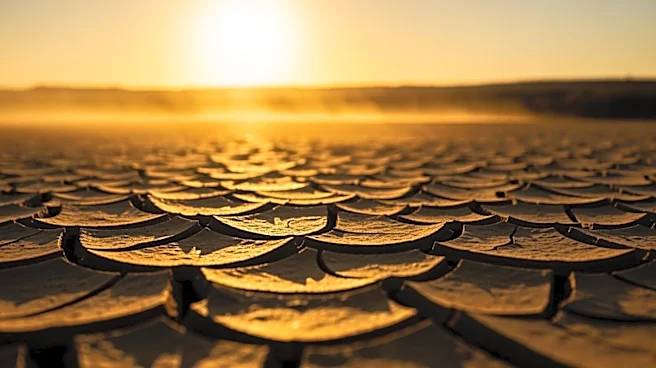
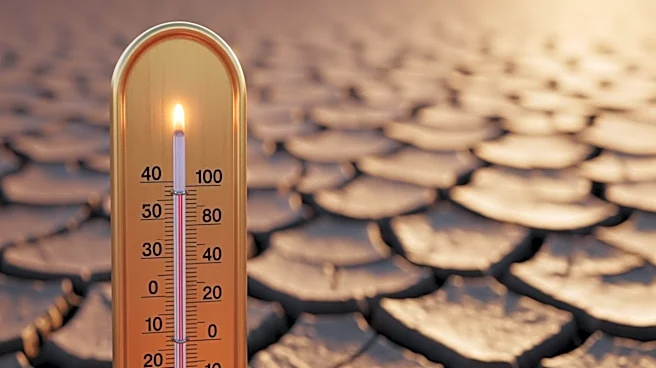
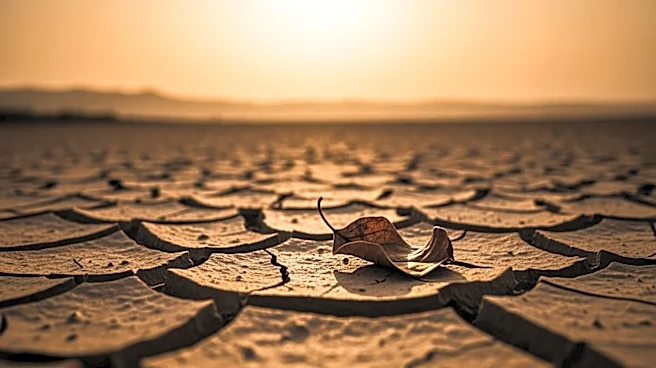
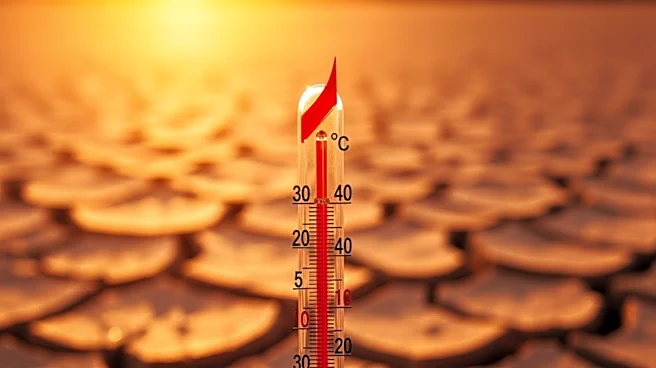
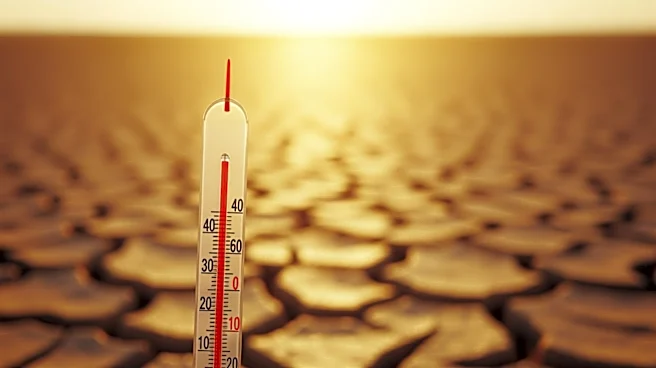
The United States is experiencing a record drought, with over 61% of the contiguous states facing moderate to exceptional drought conditions. This situation is particularly severe in the Southeast and the West, where low snowpack levels and high temperatures
have exacerbated water shortages. The National Oceanic and Atmospheric Administration (NOAA) reports that the current drought levels are the highest for this time of year since records began. The drought is expected to increase the risk of wildfires and impact water supplies, with significant implications for agriculture and food prices.
Why It's Important?
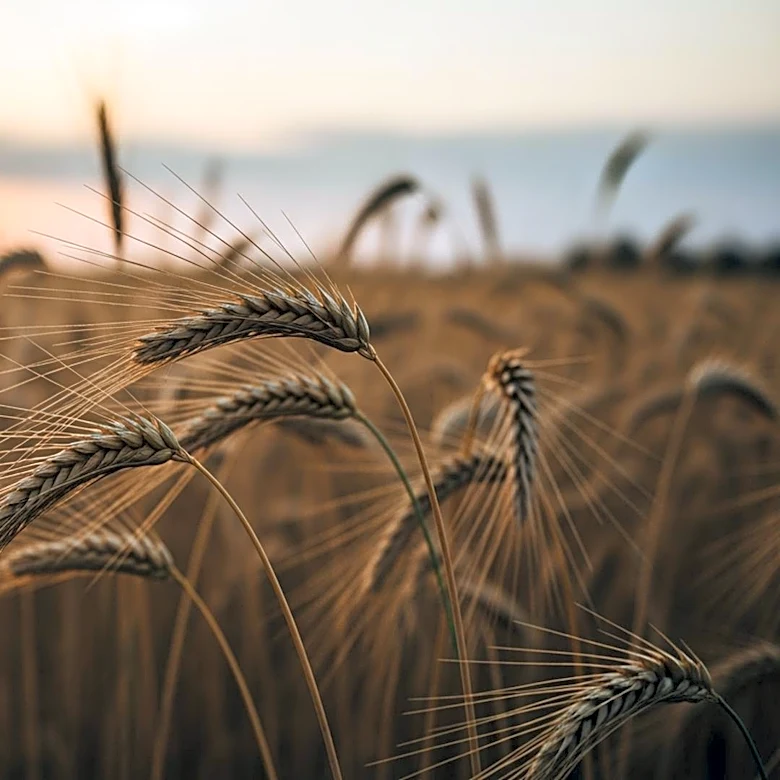
The ongoing drought poses a serious threat to the U.S. agricultural sector, potentially leading to higher food prices and economic strain on farmers. Water shortages could also affect urban areas and industries reliant on consistent water supply. The increased risk of wildfires presents a danger to communities and ecosystems, requiring heightened preparedness and resource allocation. The situation underscores the broader challenges posed by climate change, as extreme weather events become more frequent and severe.
What's Next?
Experts warn that the drought could worsen in the coming months, with the potential for significant wildfires in the Southwest. Policymakers and environmental agencies will need to address water management strategies and emergency response plans to mitigate the impact. Additionally, the agricultural sector may need to adapt to changing conditions, potentially altering crop choices and farming practices. The situation will require coordinated efforts at local, state, and federal levels to manage resources and support affected communities.