





What's Happening?
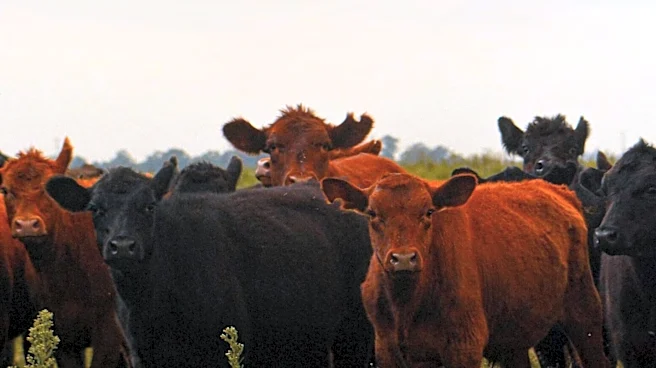
Brucellosis, a bacterial infection, continues to be a concern in the United States, particularly in the Greater Yellowstone Area (GYA), despite an eradication program that largely eliminated it from U.S. cattle by 2010. As of February 2026, two cattle herds
and one bison herd in the GYA were affected. The disease maintains an ongoing reservoir in wild bison and elk in this region, with an average of 2.7 infected cattle or private bison herds identified annually. Transmission from wildlife to livestock can occur when infected wild animals abort or calve near livestock grazing areas. Additionally, the introduction of a brucellosis-exposed animal into a herd poses a risk. Human infections primarily stem from consuming raw milk or through contact with feral hogs, which can carry Brucella suis. A specific concern is the Brucella abortus RB51 strain, a live attenuated vaccine strain used in cattle, which has been linked to human cases through raw milk consumption. This strain is resistant to rifampin, a common antibiotic used for treatment.
Why It's Important?
The persistence of brucellosis carries significant implications for public health, the livestock industry, and wildlife management in the U.S. For humans, consuming raw milk or handling infected feral hogs can lead to severe symptoms, including recurrent fevers, arthritis, and in chronic cases, endocarditis. The resistance of the RB51 strain to rifampin complicates treatment for those infected. For the livestock industry, the ongoing presence of brucellosis in wildlife in areas like the GYA creates a constant threat of transmission to domestic herds, potentially leading to economic losses due to animal illness, abortions, and necessary culling. This also impacts the effectiveness and cost of surveillance and vaccination programs. Furthermore, the issue highlights the complex interplay between wildlife health and agricultural practices, necessitating integrated management strategies to mitigate disease spread and protect both animal and human populations.
What's Next?
Continued surveillance and management efforts will be crucial to control brucellosis in the U.S. This includes ongoing monitoring of wildlife populations in areas like the Greater Yellowstone Area to track infection rates and prevent spillover into livestock. Public health advisories will likely continue to emphasize the risks associated with consuming raw milk and the importance of pasteurization. For hunters, increased awareness and adherence to hygienic precautions when handling feral hog carcasses will be promoted to reduce human exposure. Research into more effective vaccines or treatment strategies for resistant strains like RB51 may also be pursued. Collaboration between wildlife management agencies, agricultural departments, and public health organizations will be essential to implement comprehensive strategies that address the disease in both wild and domestic animal populations, aiming to minimize economic impact and public health risks.
Beyond the Headlines
The ongoing challenge of brucellosis in the U.S. underscores broader issues in disease ecology and public health. The persistence of the disease in wildlife reservoirs, despite successful eradication efforts in domestic cattle, highlights the limitations of single-species disease control approaches and the need for a 'One Health' perspective that integrates human, animal, and environmental health. The emergence of antibiotic-resistant strains, such as Brucella abortus RB51, also points to the wider problem of antimicrobial resistance, which can be exacerbated by vaccine use and impact treatment efficacy. This situation raises ethical considerations regarding the balance between protecting livestock health, preserving wildlife populations, and ensuring public safety. It also emphasizes the importance of consumer education regarding food safety practices, particularly concerning raw dairy products, and the potential risks associated with certain recreational activities like hunting.