




What's Happening?
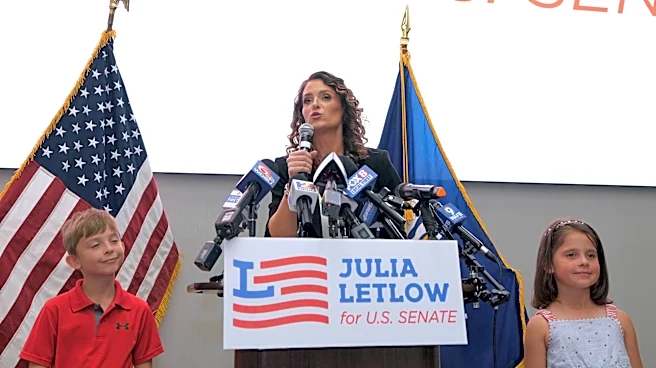
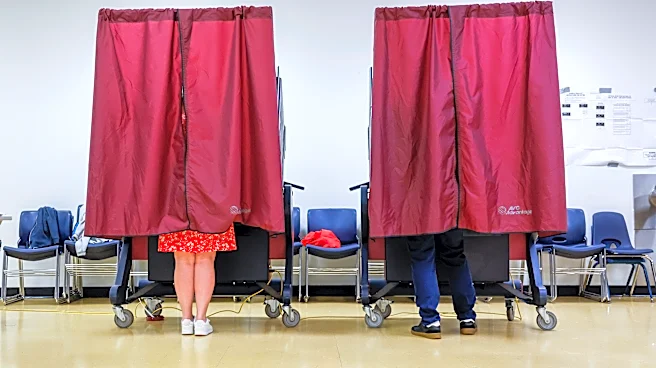
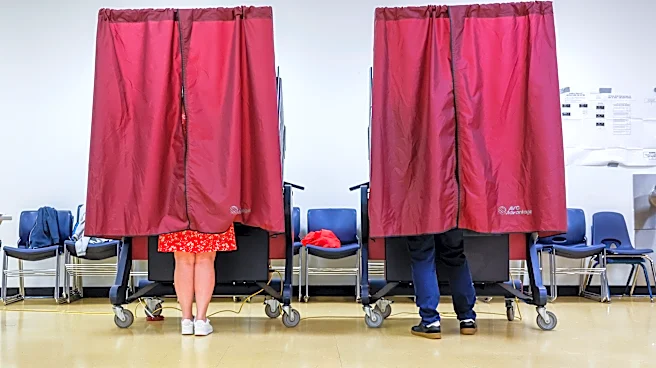
Louisiana's recent statewide election has resulted in runoffs for both the Republican and Democratic primaries for the U.S. Senate. Under the state's new closed primary system, voters participated within their registered parties. In the Republican primary,
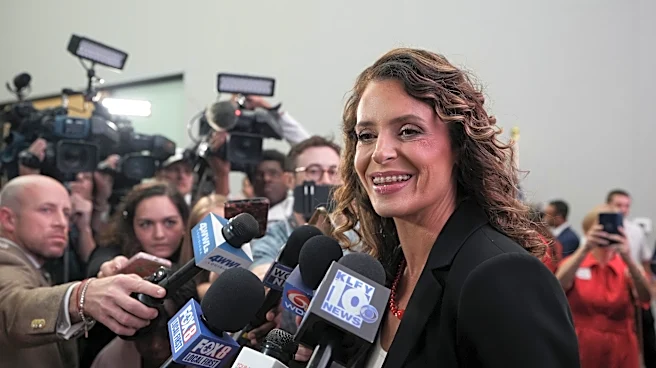
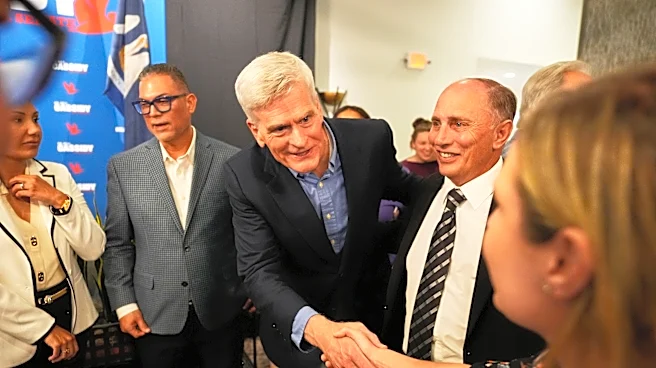
Julia Letlow emerged as the frontrunner, securing over 40% of the vote, while John Fleming captured the second spot, eliminating incumbent Senator Bill Cassidy from the race. Cassidy, who had faced opposition from President Trump, conceded the election. On the Democratic side, Jamie Davis led the primary, with the second runoff spot still undecided between Nick Albares and Gary Crockett. The election also included five proposed constitutional amendments, all of which were rejected by voters.
Why It's Important?
The shift to a closed primary system in Louisiana marks a significant change in the state's electoral process, potentially affecting voter turnout and party dynamics. The elimination of Senator Cassidy, a sitting incumbent, highlights the influence of endorsements and party loyalty in shaping election outcomes. The rejection of all proposed amendments, including those related to education and local governance, reflects voter skepticism towards changes perceived as politically motivated. These developments could have broader implications for the political landscape in Louisiana, influencing party strategies and voter engagement efforts ahead of the November general election.
What's Next?
As the state prepares for the June runoffs, candidates will likely intensify their campaigns to secure voter support. The outcomes of these runoffs will determine the candidates advancing to the November general election, where they will face potential no-party challengers. Additionally, the rejection of the constitutional amendments may prompt lawmakers to reconsider their legislative priorities and approach to policy-making. The political climate in Louisiana remains dynamic, with ongoing debates over representation, governance, and voter rights likely to shape future elections and policy decisions.