







What's Happening?
Scott Raynes, MBA, President and CEO of Marshall Health Network, has articulated a vision for redefining healthcare access in West Virginia, moving beyond the traditional focus on transportation. Raynes emphasizes that true access encompasses receiving
the right care from the right provider at the right time and in the right place, which can include clinics, hospitals, virtual visits, mobile medical units, or workplaces. He highlights that meaningful access means specialists like cardiologists, neurologists, and oncologists are available as close to home as possible, alongside strong primary care to manage chronic conditions and promote health. Raynes points to recent initiatives under West Virginia’s Rural Health Transformation Program, involving Marshall Health Network and Marshall University, as examples of this evolving approach. These efforts include a comprehensive workforce health model that delivers preventive care and chronic disease management directly to employees, building on Marshall Health Network's 35 years of occupational health experience.
Why It's Important?
This re-evaluation of healthcare access is crucial for West Virginia, a state facing significant challenges in healthcare delivery, particularly in its rural communities. By shifting the paradigm from merely providing transportation to bringing healthcare directly to people, Marshall Health Network aims to overcome barriers such as distance, workforce shortages, and rising costs. This approach has profound implications for public health, as it seeks to identify and manage health problems earlier, reduce preventable health crises, and improve overall community well-being. A healthier workforce, as Raynes notes, is essential for a healthy West Virginia, strengthening families, employers, and the state's economy. The integration of occupational medicine with preventive care, behavioral health, and nutrition services represents a holistic strategy to address the state's greatest health challenges, including addiction, obesity, and diabetes.
What's Next?
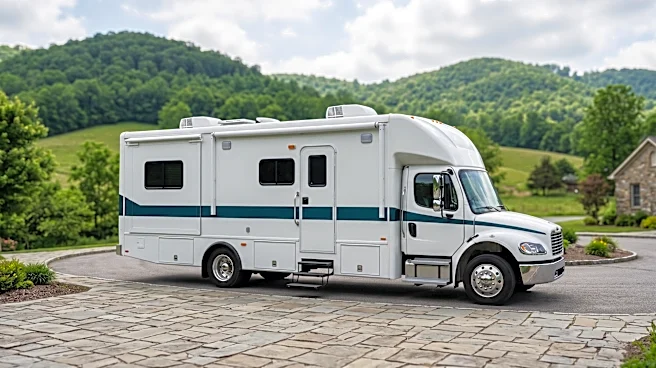
Marshall Health Network plans to continue implementing and expanding initiatives that bring healthcare closer to West Virginians. This includes further development of remote patient monitoring programs for conditions like diabetes and hypertension, utilizing technology, nutrition counseling, and ongoing connections with care teams. The Marco mobile medicine program will continue to deliver clinical services to communities, while telehealth will connect patients and local providers with specialized expertise. The network will also focus on rural residency programs to encourage health professionals to practice in underserved areas and foster partnerships with community hospitals to extend specialty care. These ongoing efforts aim to transform healthcare delivery, making it more accessible and effective for all residents of West Virginia.
Beyond the Headlines
Raynes's perspective on healthcare access delves into the ethical and societal implications of health equity. By advocating for a system where healthcare meets people where they are, rather than expecting them to navigate complex and often distant systems, he addresses a fundamental issue of fairness in access to essential services. This shift also reflects a broader trend in healthcare towards preventive care and population health management, recognizing that investing in early intervention and chronic disease management can yield significant long-term benefits for individuals and the healthcare system as a whole. The emphasis on a 'Power of WE' approach underscores the importance of collaboration among healthcare providers, employers, educators, policymakers, and community partners to achieve meaningful and sustainable improvements in public health.