





What's Happening?
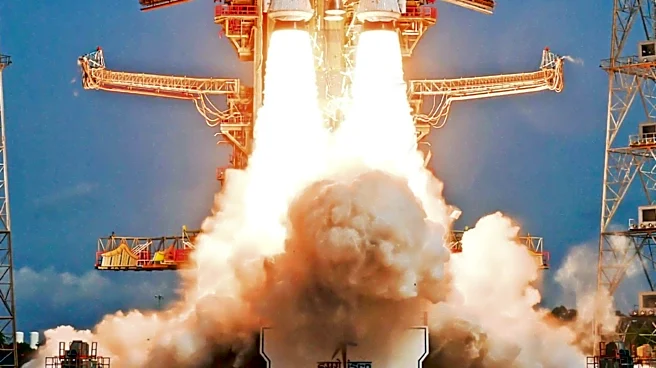
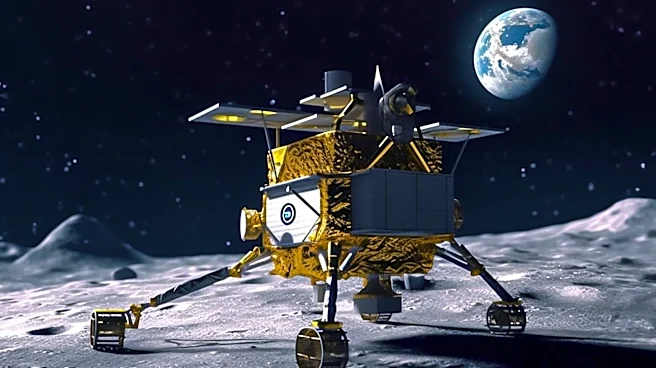
India's space sector, led by the Indian Space Research Organisation (ISRO), has achieved significant milestones, including the successful Chandrayaan-3 mission, which landed near the Moon's south pole. This achievement places India among an exclusive
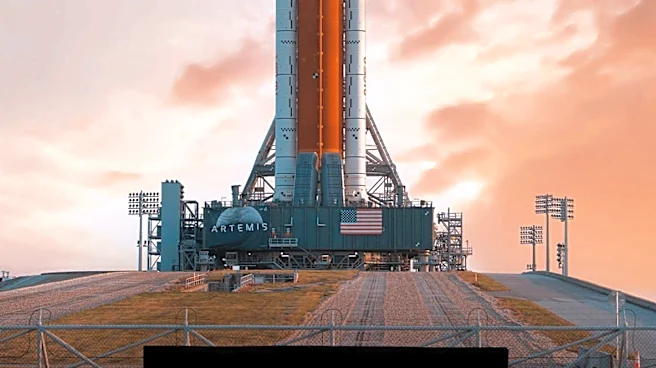
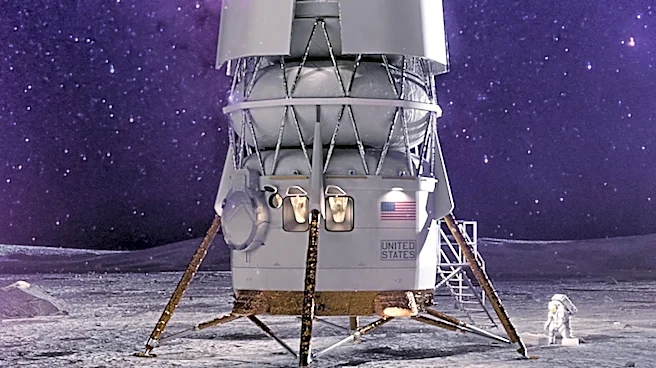
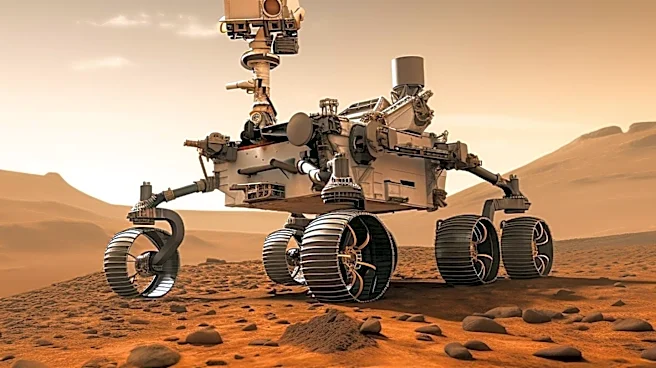
group of spacefaring nations and highlights its capability to execute sophisticated space missions at a relatively low cost. The Chandrayaan-3 mission is part of a broader strategy by India to leverage its space capabilities for international collaboration and technological advancement. The country's space program, initially focused on national development, has evolved to include ambitious projects like the Mars Orbiter Mission and the Aditya-L1 solar observatory. Future initiatives include the Gaganyaan human spaceflight program and potential participation in NASA's Moon Base program.
Why It's Important?
India's growing reputation as a reliable and cost-effective spacefaring nation opens up opportunities for international partnerships that can drive scientific progress, economic growth, and sustainable development. The global space economy, valued at over $600 billion, is projected to reach $1.8 trillion by 2035, with increasing commercial activity in satellite communications, Earth observation, and lunar exploration. India's ability to offer comprehensive space services, from satellite design to mission operations, positions it as a valuable partner for countries lacking indigenous capabilities. The liberalization of India's space sector in 2020 has further enhanced its ecosystem, attracting global investment and fostering the growth of private enterprises.
What's Next?
India aims to internationalize its space ecosystem by offering comprehensive partnerships that go beyond low-cost launch services. This includes satellite design, mission operations, and capacity building in areas like agriculture and disaster management. The establishment of the Indian National Space Promotion and Authorisation Centre (IN-SPACe) and the growth of private enterprises like Skyroot Aerospace and Pixxel are key to this strategy. As India continues to expand its space capabilities, it is likely to play a significant role in shaping the future of global space exploration and collaboration.