


What's Happening?
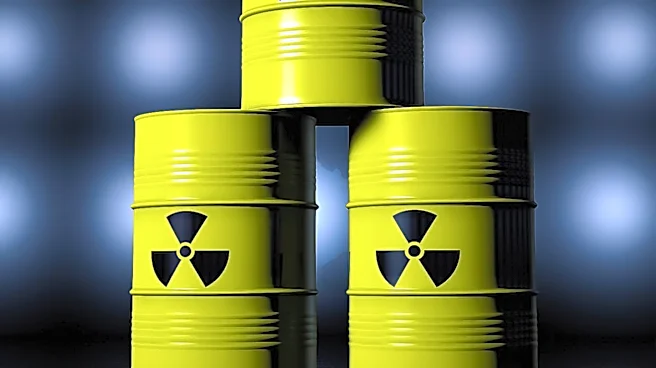
The United States has successfully negotiated a deal for the International Atomic Energy Agency (IAEA) to remove nuclear material from a covert site in Syria, known as 'Site 99'. This agreement, reached with the governments of Syria and Israel, aims to safely
extract the material, which includes yellowcake, a uranium concentrate. The site was part of former Syrian President Bashar Assad's nuclear program, which was targeted by an Israeli airstrike in 2007. The negotiations involved multiple stakeholders, including Turkey, and were driven by concerns over the potential use of the material in a 'dirty bomb'.
Why It's Important?
The removal of nuclear material from 'Site 99' is a significant step in reducing nuclear proliferation risks in the Middle East. The agreement underscores the importance of diplomatic efforts in addressing security challenges and preventing military escalation. It also highlights the role of international organizations like the IAEA in facilitating peaceful resolutions to complex issues. The deal reflects the growing cooperation between the U.S. and the new Syrian government, which was previously unaware of the nuclear material's presence. This development is crucial for maintaining regional stability and preventing the misuse of nuclear materials.
What's Next?
The IAEA is expected to begin the extraction process soon, with the goal of completing it by the end of the year. Ongoing diplomatic engagement and monitoring will be necessary to ensure compliance with the agreement and to prevent any unauthorized access to the site. The successful removal of the material could lead to further cooperation between the involved parties, potentially paving the way for broader regional security initiatives. The situation will continue to be monitored by international stakeholders to ensure the maintenance of peace and stability in the region.