





What's Happening?
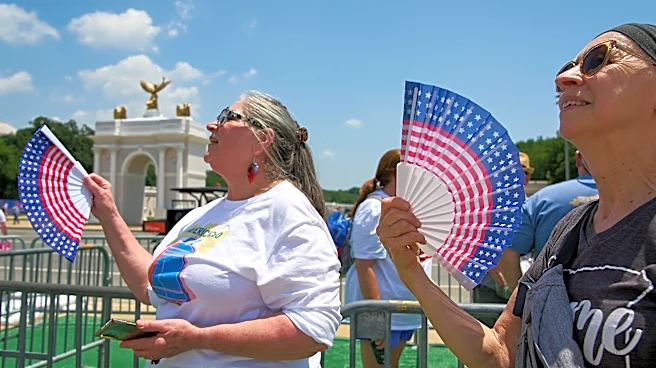
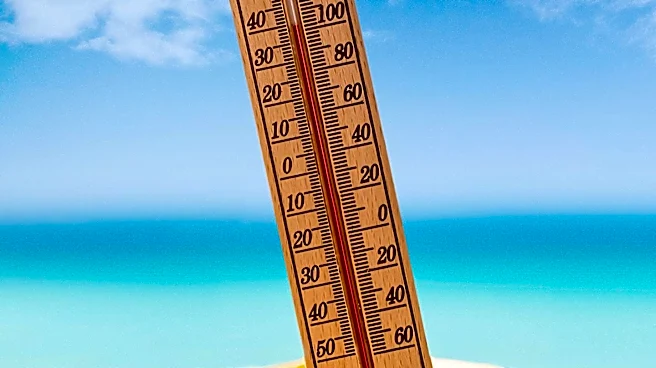
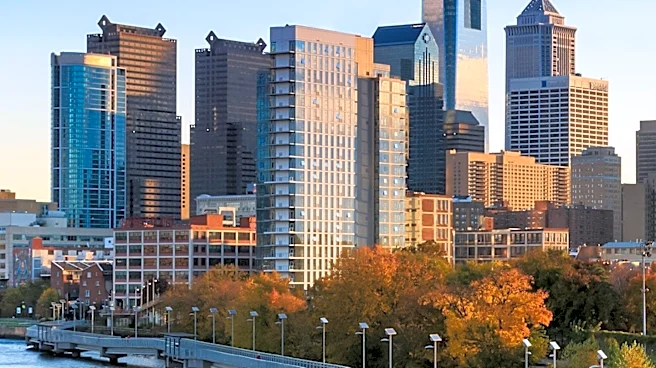
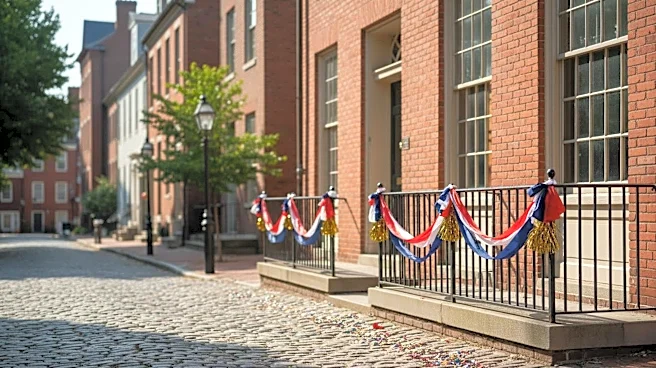
Philadelphia's 250th parade, organized by the nonprofit Welcome America, was canceled due to an extreme heat warning issued by the National Weather Service. The heat index values were forecasted to reach as high as 115 degrees, prompting a Heat Health
Emergency and Code Red. Michael DelBene, president and CEO of Welcome America, expressed his disappointment over the cancellation, which was expected to draw around 10,000 participants. Despite the cancellation, tourists continued to visit historic sites in Old City, such as Independence Hall and the Liberty Bell. Tour guides adapted by modifying routes to include more air-conditioned buildings, ensuring visitors could still enjoy the historical significance of the area.
Why It's Important?
The cancellation of the parade highlights the increasing impact of extreme weather events on public gatherings and tourism. The decision underscores the importance of prioritizing public safety in the face of climate-related challenges. For Philadelphia, a city rich in historical significance, the ability to adapt and offer alternative experiences to tourists is crucial for maintaining its tourism industry. The event also serves as a reminder of the broader implications of climate change, as cities across the U.S. may face similar challenges in the future. The economic impact on local businesses and the disappointment of participants who traveled from across the country and abroad further emphasize the need for effective contingency planning.
What's Next?
In response to the cancellation, Philadelphia may need to reassess its event planning strategies to better accommodate extreme weather conditions. This could involve investing in infrastructure improvements, such as cooling centers, and developing more flexible event schedules. Additionally, the city might explore partnerships with local businesses to offer alternative attractions during such events. Stakeholders, including city officials, event organizers, and the tourism industry, will likely engage in discussions to enhance resilience against future climate-related disruptions.
Beyond the Headlines
The cancellation of the parade due to extreme heat raises questions about the long-term sustainability of outdoor events in the face of climate change. It highlights the need for cities to consider environmental factors in urban planning and event management. The situation also presents an opportunity to educate the public about climate change and its effects on daily life. By integrating climate awareness into cultural and historical events, cities can foster a more informed and proactive community.