





What's Happening?
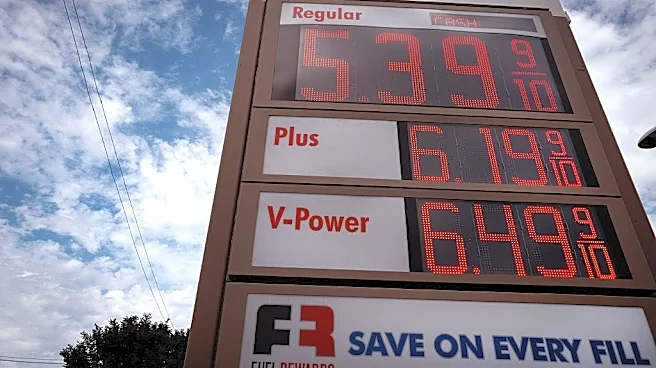
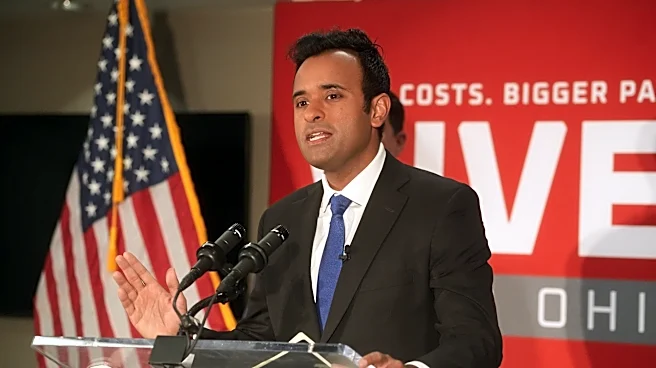
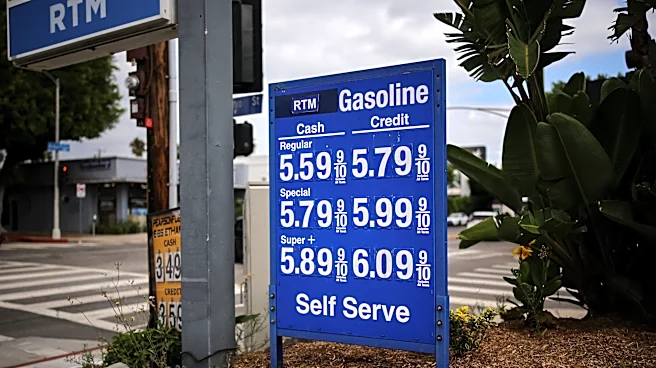
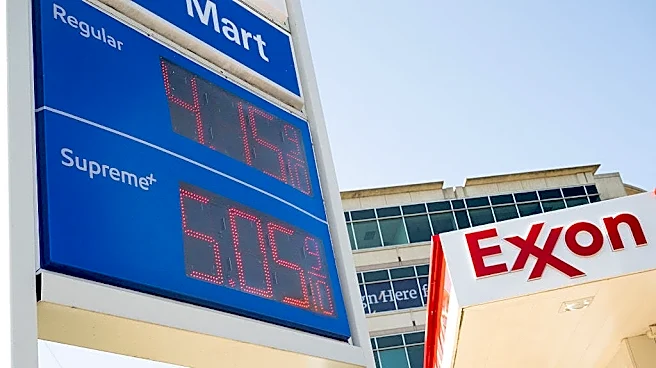
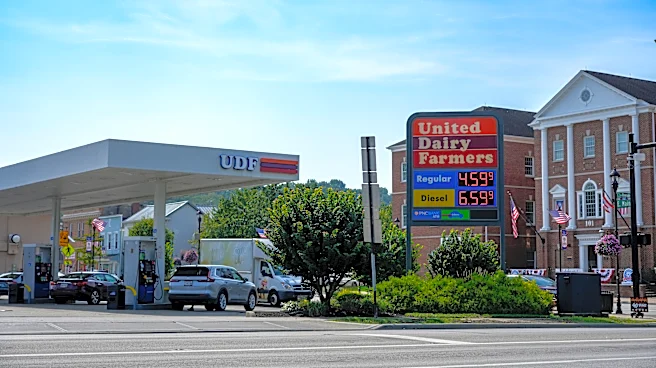
Representative Shontel Brown has highlighted a substantial increase in Ohio gas prices. According to her observations, gas prices in Ohio surged from $2.76 per gallon in February to $4.48 per gallon by September. This represents a 62 percent rise within
a seven-month period. The increase is noted to have occurred since the onset of the Iran war. Brown's comments underscore the economic impact of global events on local consumer costs, particularly concerning essential commodities like fuel. The data she presented illustrates a significant financial burden on Ohio residents and businesses due to escalating energy expenses.
Why It's Important?
The significant increase in Ohio gas prices, as noted by Representative Shontel Brown, has direct and substantial implications for U.S. consumers and the broader economy. A 62 percent jump in fuel costs within a short timeframe can lead to increased transportation expenses for individuals and businesses, potentially impacting disposable income and profit margins. This rise can also contribute to inflationary pressures across various sectors, as the cost of transporting goods and services increases. For industries reliant on fuel, such as logistics, agriculture, and manufacturing, higher gas prices translate to higher operational costs, which may be passed on to consumers. This situation could disproportionately affect lower-income households, who spend a larger percentage of their income on necessities like transportation. The broader economic impact could include reduced consumer spending in other areas, potentially slowing economic growth.
What's Next?
The trajectory of gas prices in Ohio and across the U.S. will likely depend on several factors, including global oil supply and demand dynamics, geopolitical developments, and domestic energy policies. Should the Iran war continue or escalate, further disruptions to oil markets could lead to sustained or even higher prices. Policymakers, including Representative Brown, may face increased pressure from constituents to address the rising cost of living. Potential reactions could include calls for strategic petroleum reserve releases, investigations into price gouging, or discussions around energy independence and alternative fuel sources. Businesses may explore strategies to mitigate fuel costs, such as optimizing logistics or investing in more fuel-efficient fleets. Consumers might adjust their commuting habits or reduce discretionary spending in response to the ongoing financial strain.
Beyond the Headlines
The sharp increase in Ohio gas prices, as highlighted by Representative Shontel Brown, points to a deeper vulnerability within the U.S. economy to global geopolitical events. The connection drawn between the Iran war and domestic fuel costs underscores the interconnectedness of international conflicts and everyday American life. This situation raises questions about energy security and the long-term strategy for mitigating the impact of external shocks on essential resources. Ethically, the burden of these price hikes often falls most heavily on those with fewer financial resources, exacerbating economic inequalities. Culturally, sustained high gas prices can alter consumer behavior, potentially accelerating shifts towards remote work, public transportation, or electric vehicles. This event serves as a stark reminder of the complex interplay between foreign policy, global markets, and domestic economic stability.